
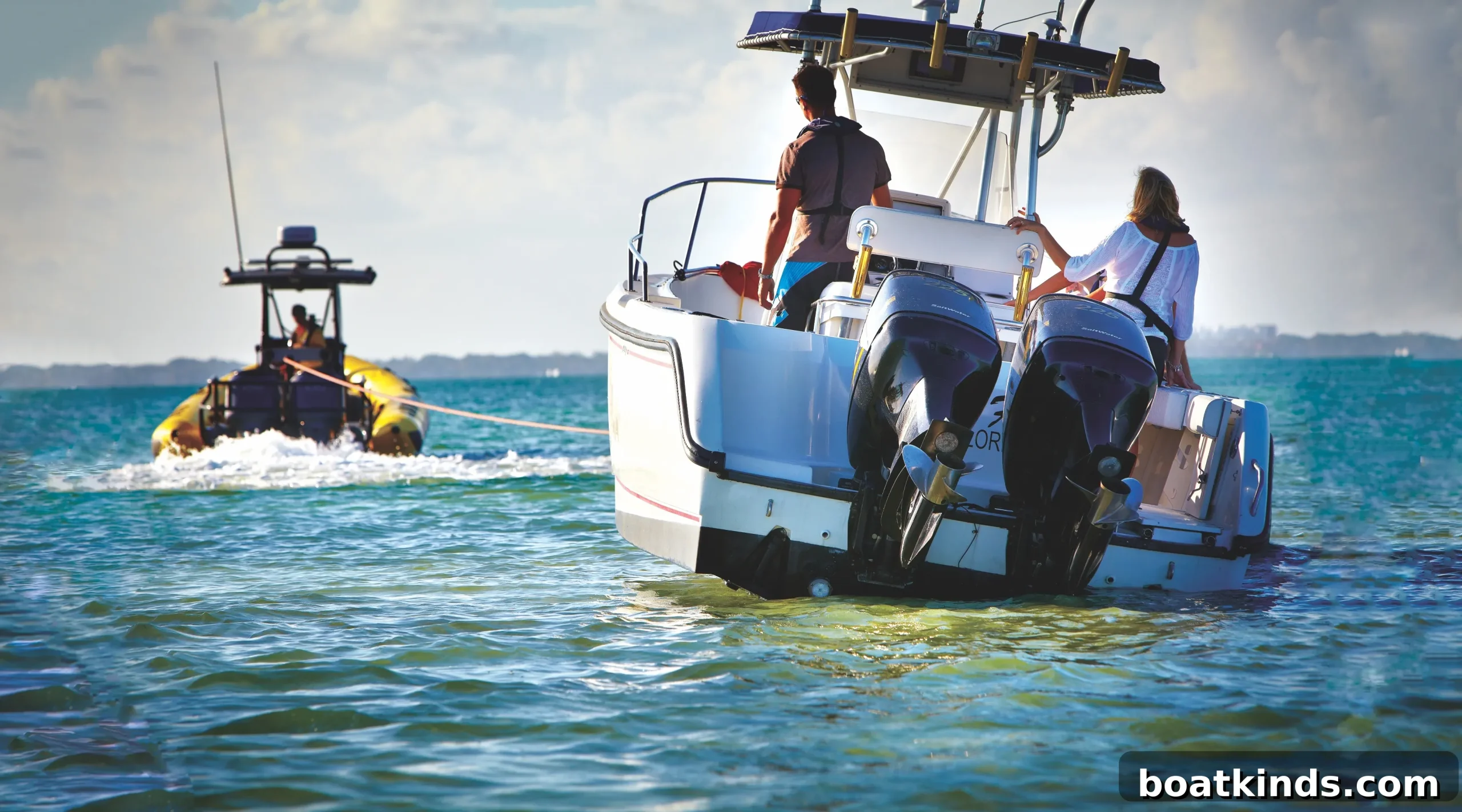
Sea Tow Reports Nearly 30% More Assists During 2022 Memorial Day Weekend — 10 Essential Boating Safety Tips
During the 2022 Memorial Day weekend, Sea Tow provided assistance to nearly 30 percent more boaters compared with the 2021 holiday weekend. That increase highlights how quickly a routine day on the water can turn into a situation that requires professional help. Sea Tow’s data from the weekend shows that more than half of assists were towing requests. Other common calls included ungroundings (11 percent), fuel deliveries (9 percent), battery jumps (nearly 10 percent), and a mix of dock-to-dock tows, oil or parts delivery, disentanglements, and salvage and recovery efforts.
To help boaters reduce the risk of breakdowns, groundings, and other incidents this summer, Sea Tow recommends a straightforward set of precautions. Below are 10 practical, easy-to-follow tips every boater should consider before leaving the dock. These guidelines focus on prevention, preparedness, and safe behavior on the water.
10 Boating Safety Tips to Prepare for the Season
- Have a pre-departure checklist. Before you cast off, run through a checklist that covers the engine, battery charge and connections, fuel levels, navigation lights, safety equipment, and communication devices. A short, consistent routine reduces the chance of forgetting a critical step and helps everyone on board understand the plan for the trip.
- Don’t rely solely on the fuel gauge. Fuel gauges can be imprecise, and usage varies by load and conditions. Maintain a fuel log noting how much fuel you add, how many hours you run the engine, and typical consumption for different speeds and loads. That record will give you a far better idea of your true range than the gauge alone.
- Follow the rule of thirds. Divide your fuel planning into three parts: one-third to reach your destination, one-third to return, and one-third reserved for unforeseen delays or detours. This conservative approach provides a buffer for changing conditions, traffic, or navigation challenges.
- Check charts and plan your route. Review charts and local navigation resources before departure so you’re aware of sandbars, shallow areas, shoals, channels, and buoy locations. Knowing where hazards are located and where safe anchorages exist reduces the risk of running aground and helps you anticipate safe routes.
- Carry extra dock lines and fenders. Extra lines and fenders are essential when rafting with other boats, docking at busy waterfront restaurants, or securing your boat in unexpected situations. Proper lines and fenders protect both your boat and neighboring boats from damage.
- Put safety first and brief your passengers. Before leaving the dock, tell everyone where life jackets are stored, how to use them, and which areas of the boat are off-limits while underway. Emphasize the importance of remaining seated during transit and explain basic safety procedures for emergencies.
- Keep two anchors aboard. Always carry a spare anchor sized appropriately for your boat and the likely bottom conditions. Anchors can foul, break free, or be otherwise compromised—having a backup can prevent a drifting vessel or a call for assistance.
- When in doubt, slow down or stop. If you are unsure about depth, traffic, or navigation marks, reduce speed and reassess. Trying to problem-solve at running speed can lead to collisions or groundings. Slowing down gives you time to read charts, consult instruments, or communicate with other boaters.
- Be courteous and manage your wake. Watch your wake, especially near shorelines, docks, swimmers, and smaller craft. Respect other boaters by giving them space and keeping noise and wake to a minimum. Courtesy helps keep everyone safe and preserves good relations on popular waterways.
- Always have a backup plan and consider membership for assistance. A trusted on-water assistance membership provides peace of mind—someone trained and equipped is available to help with towing, fuel delivery, battery jumps, and other common issues. Even without a membership, identify local towing and assistance options before you leave so you know who to call if something goes wrong.
Good preparation and sensible seamanship go a long way toward preventing common boating problems. Sea Tow’s recent increase in assists serves as a reminder that equipment failures and unexpected situations are part of boating life, but many incidents can be avoided with a few simple habits.
For more information about Sea Tow’s services and safety recommendations, consult Sea Tow directly or review guidance from reputable marine safety organizations before you head out on the water.