
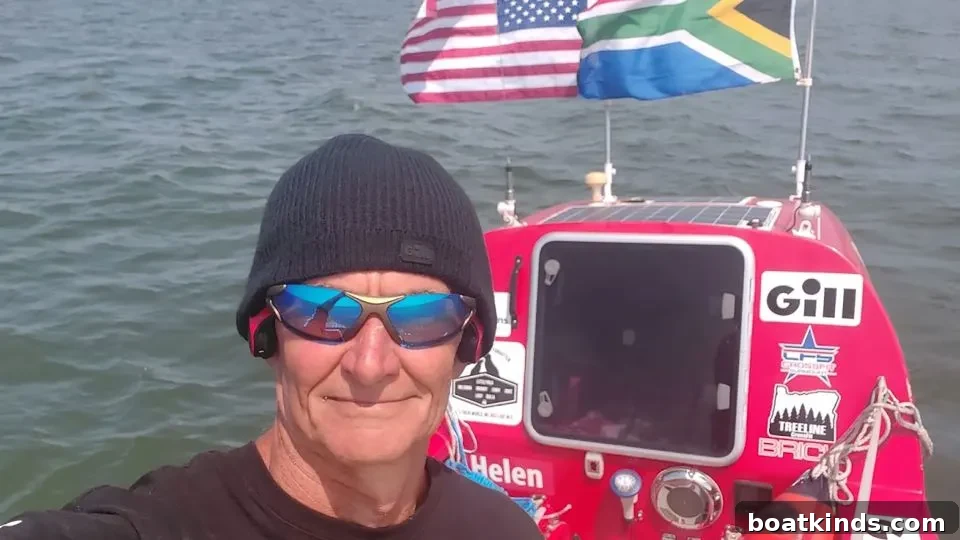
Solo Ocean Row Attempt: Peter Harley Plans 4,000-Mile Crossing from Virginia Beach to France
Peter Harley, a 61-year-old native of South Africa who now lives in Cary, North Carolina, is preparing for an extraordinary solo ocean rowing challenge: a 4,000-mile open-ocean crossing from Virginia Beach, departing from the Hampton Roads area, to La Trinité Sur-Mer, France. The route he plans to take has only been attempted twice before, with no successful solo crossings recorded from this starting point.
About the Route and Its History
The transatlantic stretch from Hampton Roads to the coast of Brittany presents complex ocean and weather conditions that make it one of the more demanding routes for an ocean rower. According to historical accounts associated with this route, the first recorded attempt took place in 1966 when two British journalists set out in a 15-foot rowboat; their boat was later recovered off Newfoundland and the rowers were never found. A second attempt in 2018 was halted when the rower was rescued by a passing Dutch cargo ship. Those previous outcomes underscore the seriousness and unpredictability of rowing across the North Atlantic.
The Boat, Training, and Preparation
Harley will use a purpose-built 24-foot ocean-rowing vessel designed for extended solo expeditions. He has spent nearly two years preparing for this challenge, focusing on physical conditioning, endurance rowing, and the logistical planning required for a multi-week ocean voyage. His preparation includes equipment checks, emergency and navigation planning, provisioning, and strategies for coping with sleep disruption and isolation at sea. He reports being fit and has laid out detailed plans for the crossing.
Understanding the Risks
Open-ocean rowing carries significant risks: extreme weather systems, cold water, navigation hazards, equipment failure, and the physical and psychological strain of prolonged solo exertion. The history of prior attempts along this route highlights those dangers. Any attempt to cross the Atlantic by rowboat requires meticulous planning and real-time decision-making to respond to changing sea conditions. For these reasons, ocean rowers typically train extensively, equip themselves with redundancy in critical systems, and plan robust emergency protocols.
Charitable Goals and Causes
Beyond the personal and athletic challenge, Harley intends to use the row to raise funds for three charities: 5 Gyres, the Pediatric Brain Tumor Foundation, and Best Friends Animal Society. His fundraising target is ambitious—$750,000—with donations intended to support ocean conservation, research and advocacy on plastic pollution (as represented by 5 Gyres), pediatric brain tumor research and patient support, and animal welfare and rescue efforts. Framing the expedition around charitable causes adds a community-focused purpose to what is already a demanding personal undertaking.
Motivation and Mindset
Harley has described the endeavor as bold rather than reckless. Attempting a route that has only been tried twice—and not successfully completed—reflects both the risks and the potential for meaningful achievement. Many endurance athletes and explorers cite a desire to push personal limits, draw attention to causes they care about, and inspire others. Harley’s combination of long-term training, careful planning, and charitable fundraising shows an organized approach to a high-risk, high-profile challenge.
What to Watch For
Key milestones for anyone following this attempt will include the official departure from the Hampton Roads area, regular position reports if made public, updates on weather and sea conditions encountered en route, and any communications regarding safety or route adjustments. Given the route’s history, emergency preparedness and the ability to adapt to unanticipated events will be central to the voyage’s outcome.
Peter Harley’s planned solo row from Virginia Beach to La Trinité Sur-Mer is an ambitious project that combines endurance sport, careful planning, and charitable intent. Whether or not the attempt succeeds, it draws attention to the technical and human challenges of ocean rowing and to the charitable causes he aims to support.