
Sea Bags: Upcycling Used Sails into Handcrafted Bags on Portland’s Working Waterfront
Sea Bags, based on the working waterfront in Portland, Maine, specializes in transforming used sails into durable, stylish bags and home accessories. The company has balanced rapid growth with a commitment to local production, refusing to outsource the craft that defines its brand.
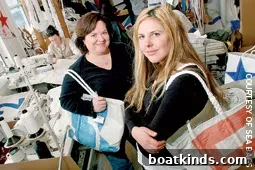
Co-owner Beth Shissler, 40, explains the core idea simply: Sea Bags gives old materials a second life. Worn sails are carefully cut, cleaned, and sewn into tote bags, duffels and other items that typically range in price from $95 to $150. These products emphasize sustainability, craftsmanship and a nautical aesthetic rooted in Maine’s maritime culture.
The recycled sailcloth arrives from many sources. While a small portion is donated by individuals—who sometimes receive a bag made from their donated sail as a thank-you—the bulk is purchased from a network of suppliers across the United States and internationally. To keep pace with growing demand, Sea Bags employs a team of 17 full- and part-time workers who manage production, quality control and inventory.
Sea Bags experienced a dramatic change in output: where the operation once distributed roughly 60 items a year in 2005, it now ships more than 2,000 items each month. That growth raised immediate questions about material supply. The company addressed that challenge by hiring a dedicated sourcing specialist, Carrie Fletcher, who travels nationwide to secure used sails while maintaining the company’s strict “used materials only” policy.
Because the business operates from Portland’s waterfront, Sea Bags also performs repair work for local commercial fishermen and lobstermen. Co-founder and founder Hannah Kubiak says caring for the local marine community is part of the company’s mission: “We are worried about the state of the industry and we want to be supportive to the community around us. I’ve lived in Maine all my life, and the water is a big part of who I am.”
Kubiak started making the first bags in 1999 as a creative side project. What began as a small, hobby-like operation at a sewing machine quickly evolved. Growing up sailing on her father’s 1933 Archer Design and later on a 13-foot Chickadee, and having family ties to the Port Canvas Company in Kennebunkport, she combined a lifelong love of sailcloth with practical sewing skills. Kubiak studied at the Chapman School of Seamanship in Stuart, Florida, completing an intensive three-month course that helped her refine the technical aspects of working with marine materials.
In 2005, Beth Shissler—already a Sea Bags customer—brought a business perspective that accelerated the brand’s reach. Shissler ordered inventory for her mother’s seasonal gift shop and then partnered with Kubiak. The combination of Shissler’s business instincts and Kubiak’s creative vision proved effective: Sea Bags expanded its market presence while staying true to handmade quality and local production.
To scale production without losing its Maine identity, Sea Bags partnered with the Maine Correctional Institute for Women through the state Department of Correction’s Industries Program. For two years, inmates assembled the bags from prepped kits provided by Sea Bags, a collaboration the company describes as a “glowing success.” Shissler sees a parallel between giving sails a second chance and supporting women seeking new opportunities.
Design evolution and responsiveness to fashion trends remain central to Sea Bags’ product strategy. Alongside the core bag collection, the company produces accessories such as bath mats, draft dodgers and coasters. Upcoming seasonal lines were planned to include bags crafted from the canvas of old schooners, enhanced with recycled leather accents and other reclaimed materials. The commitment to recycled components and local manufacturing helps the brand appeal to customers who value sustainability and American-made goods.
Sea Bags’ product uniqueness contributes to its appeal: each bag carries visible history in the form of fabric texture, stitching and occasional markings from its former life as part of a sail. That individuality, combined with consistent construction standards, helps the company remain relevant across markets while honoring maritime heritage.
Other businesses have adopted similar upcycling approaches with used sailcloth, producing a range of items from pillows and shower curtains to outerwear and totes. These efforts reflect a broader interest in sustainable fashion and repurposing durable marine textiles.
This article originally appeared in the New England Home Waters section of the May 2009 issue.
For more information, search for Sea Bags or visit sea bags dot com to explore their collections and learn more about their sustainable, handcrafted products.
- Reiter8 (Brooklyn, N.Y.) — creates totes and pillows from recycled sails.
- Re-Sails (Newport, R.I.) — offers jackets and bags crafted from reclaimed sailcloth.
- Second Wind Sails (Gloucester, Mass.) — produces shower curtains, pillows and bags using recycled sails.