
Infrastructure Bill Brings Major Funding for Boating Access, Marinas and Safety Through 2026
Boaters across the country can expect noticeable improvements to access and services as a result of the $1 trillion infrastructure bill signed into law in mid-November. Funding through 2026 will support a wide range of projects, from upgraded roads and parking areas that serve boat ramps to enhanced transient docks and marina services designed for vessels 26 feet and longer.
For years, marine-industry groups lobbied to ensure that boating infrastructure received attention in debates about national infrastructure repair and modernization. Industry leaders now call the legislation a major win for recreational boating. “Of all the infrastructure bills this country has seen, this is by far the biggest testament to the growth of recreation’s presence,” says John-Michael Donahue, vice president of North American public affairs for the National Marine Manufacturers Association.
One of the most important outcomes for boaters is the reauthorization of the Sport Fish Restoration and Boating Trust Fund. Roughly $750 million a year collected from sales taxes on items like marine fuel, fishing tackle and boat engines will continue to be dedicated to boating access, boater education, aquatic conservation and related state and federal programs. That keeps these funds focused on boating and fishing rather than being redirected to other infrastructure needs.
“We’re making sure that money continues to flow in a way that benefits boaters,” says David Kennedy, government affairs manager for BoatU.S. “You don’t want that money being moved to just fix potholes or bridges. Keeping it in boating and fishing is very important.”
The trust fund’s reauthorization ensures steady federal support for state grant programs that build and upgrade facilities for transient boats 26 feet or more, explains Callie Hoyt, NMMA’s director of federal government relations. Many of these projects are already underway or will begin soon.
Examples include a Safe Harbor marina in South Carolina receiving roughly $1.5 million in federal matching funds to expand docks, add wet slips, upgrade fuel systems and build shower and laundry facilities for visiting boaters. In Florida, the Melbourne Riverwalk Marina is partnering with the Florida Fish and Wildlife Conservation Commission to construct nearly 2,000 feet of floating dockage and improve marina services like Wi‑Fi, shore power and access to nearby restaurants.
All states are eligible for funding, and larger projects may compete for additional federal dollars. “If you think about people doing the Great Loop, these are the guest docks and dinghy docks—all kinds of improvements that support that kind of travel,” Kennedy says.
The infrastructure package also directs funds to the Federal Lands Transportation Program, which improves roads and parking that serve public lands and waterways. For boaters, that often means better trailer parking near launches and smoother, safer access roads to ramps and waterways.
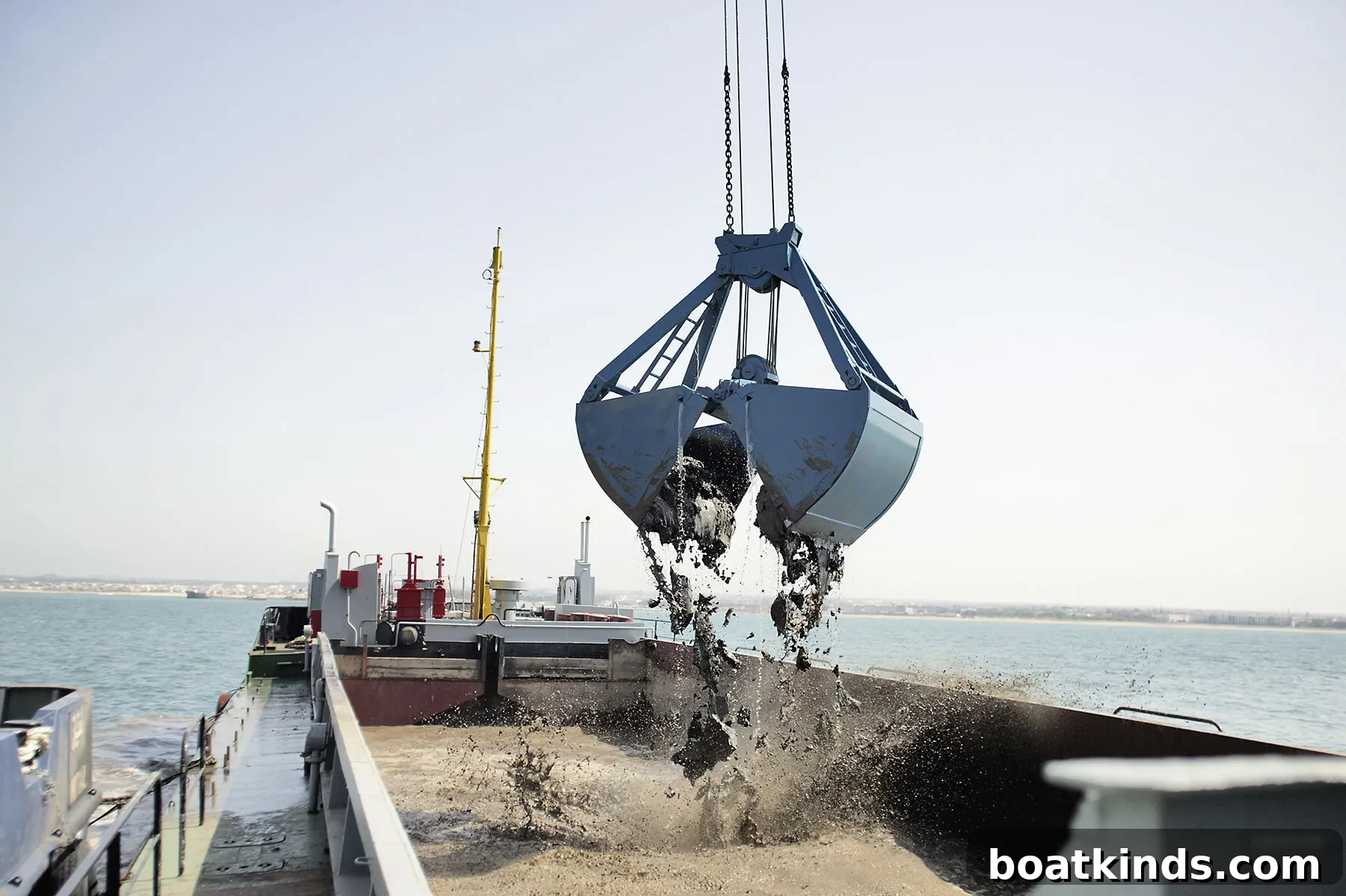
Approximately $12 billion from the bill will be allocated to the U.S. Army Corps of Engineers, an agency that handles much work on coastal and inland waterways, reservoirs and navigation projects. While specific Corps projects are still being planned, Hoyt notes that additional funding will help reduce a significant backlog and benefit recreational boating access over time.
Funding will also support the Clean Vessel Act, which maintains and expands pump‑out facilities that protect water quality. States apply for CVA grants and often partner with private marinas and parks to install or upgrade pump‑outs and related shore services. “It’s keeping that whole ecosystem funded and working,” Kennedy says.
Boater safety programs will receive new resources, too. State commissions can direct funding toward boating‑under‑the‑influence enforcement, search‑and‑rescue operations and other safety initiatives. Additional funds for dredging and navigation maintenance are also expected, though exact locations for those projects will be determined as agencies prioritize needs.
Advocates emphasize that these investments are the culmination of persistent industry outreach and a growing recognition—accelerated by the Covid‑19 pandemic—of boating’s social, health and economic benefits. As more Americans turned to boating for safe outdoor recreation, lawmakers gained firsthand appreciation for the importance of accessible, well‑maintained waterways and facilities.
“The societal and health benefits, those have been considered a nice thing to have in your community, but this became a critical part of people’s lives,” Hoyt says. “It really helped to reinforce the urgency of Americans having a good, safe, accessible opportunity to get outside and recreate.”
Industry groups plan to keep advocating for expanded funding to accommodate rising participation in boating, fishing and related outdoor recreation. “We’re not just looking to maintain the access that we have now,” Hoyt says. “We’re looking at the millions of new people who have come into recreation across the board—camping, fishing, all the different activities—and we’re building out to improve the access sites and accommodate those users.”
This article was originally published in the February 2022 issue.