
Document Wiring and Components with Your Smartphone Before Reassembly

Have you ever had to replace and rewire a brand-new bilge pump mounted down in a shower sump, linked to a float switch and controlled by a three-way panel switch labeled “Auto, Off, On”? What should be a simple plumbing- and electrical task can quickly become confusing, time-consuming and frustrating—especially when you’re facing unfamiliar wiring colors, odd terminal blocks and cryptic diagrams.
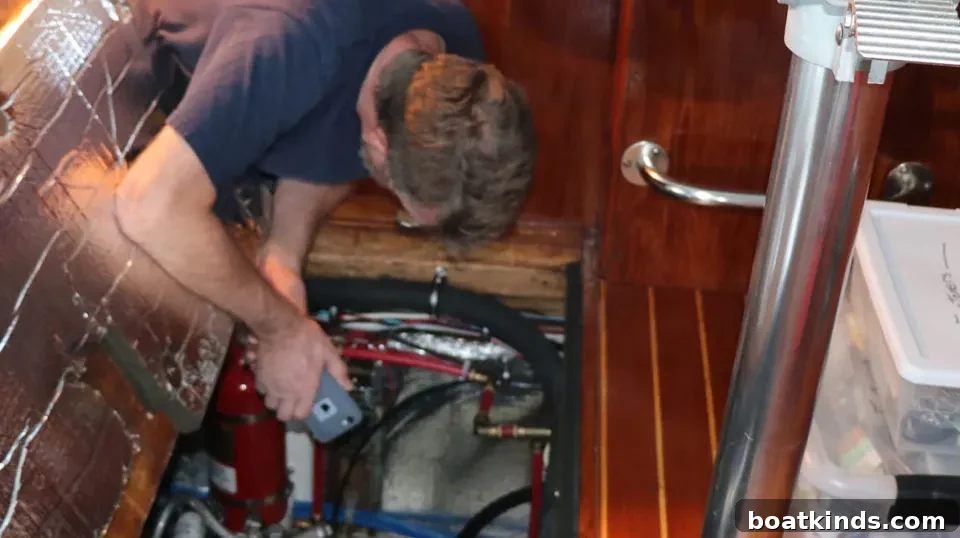
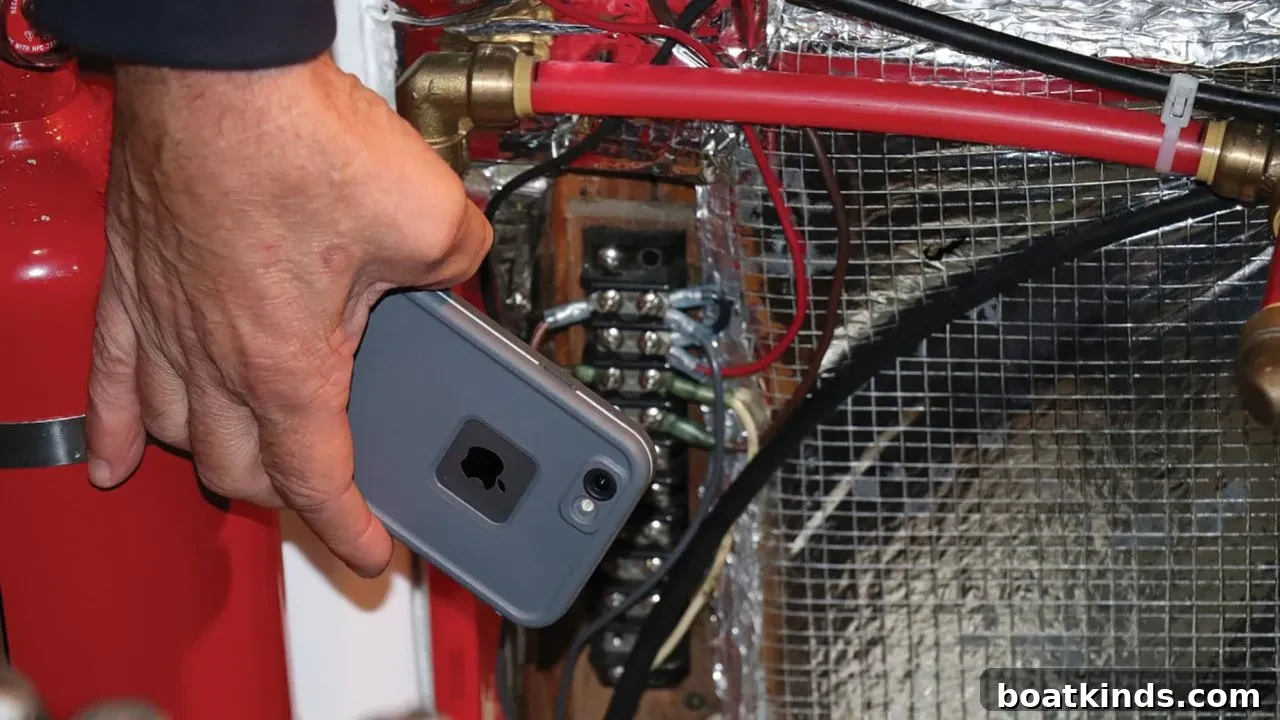
Here’s a straightforward tactic that many seasoned boat owners and technicians swear by: before you start disassembling anything, take the time to document the setup with your smartphone. Use the camera to capture clear, well-lit photos of the wiring, connections, terminal blocks and switches from multiple angles. Take several shots of the same area so you have options if one image is out of focus or poorly lit.
Don’t rely on one or two quick snaps. Photo documentation is only useful if the images clearly show color codes, wire routing, terminal labels and how components are oriented. Get close-up photos of each connector, and wider shots that show how cables run through the compartments. Photograph the relevant switch positions, fuse holders, and any tag or marking on wires. If there are irregularities—like an unexpected purple lead or a nonstandard terminal block—make sure those are clearly captured.
Beyond static photos, consider making a short video that pans across the engine room or bilge area. Narrate as you go: point out the bilge pump, the float switch, battery feeds, circuit breakers and any junctions or splices. Even a simple voice-over that names the components and notes where each wire goes can save hours later when you’re puzzling over the correct reconnection. Video also shows orientation and routing in ways still images sometimes don’t.
An engineer I spoke with has a particularly effective routine: before every boat show he records the engine room of each boat he plans to display. He films everything mechanical, electrical and plumbing-related—from battery cable runs to fuel-hose fittings—and then transfers the footage to his laptop. He saves the files on clearly labeled memory sticks so he can quickly review any area if a question comes up at the show. That simple habit allows him to answer remote questions with confidence instead of guessing.
Adopting a similar approach for your own maintenance and troubleshooting is practical and low-effort. Use descriptive filenames or a short text note alongside your photos and videos that records the date and the component you worked on. If you replace a bilge pump or rewire a float switch, keep the images together in a folder named for the project—this makes future diagnostics, resale, or handoff to a mechanic much easier.
Also, if you plan to do more than one repair session, consider taking before, during and after photos. Before photos document the original wiring; during photos help you remember temporary connections or test setups; after photos confirm that everything is reassembled properly. Clear documentation reduces the risk of miswiring, blown fuses, and the kinds of mystery faults that lead to wasted time and money.
In short: a few minutes spent photographing and filming the component layout and wiring can save hours of head-scratching later. Whether it’s a bilge pump, a float switch, a complex junction or a panel-mounted three-way switch, good visual records are an inexpensive and effective insurance policy for any DIY boat project.
This advice previously ran in Power & Motoryacht magazine.