Maya Lin’s art has long bridged architecture, landscape, and environmental advocacy. She first came to public attention in the early 1980s when her design for the Vietnam Veterans Memorial was selected, a moment that established her reputation for minimalist, site-specific work that carries deep emotional and cultural weight. Since then, Lin has consistently employed natural and organic materials to explore themes of memory, loss, and the planet’s fragility. Her projects often aim to make environmental change visible and personal, and her recent installation Ghost Forest continued that practice—so much so that parts of the work are now being repurposed into wooden boats.
Ghost Forest was created to draw attention to a growing ecological crisis. The installation consisted of 49 Atlantic white cedar trees—standing 40 feet tall—removed from New Jersey’s Pine Barrens during a regional regeneration project. The trees, already dead or dying, were installed in Madison Square Park in New York City as a stark, public reminder of the effects of climate change, rising water tables, and shifting ecosystems. By placing a stand of bare trunks in an urban park, Lin made an image of loss that thousands of visitors could encounter and reflect upon.
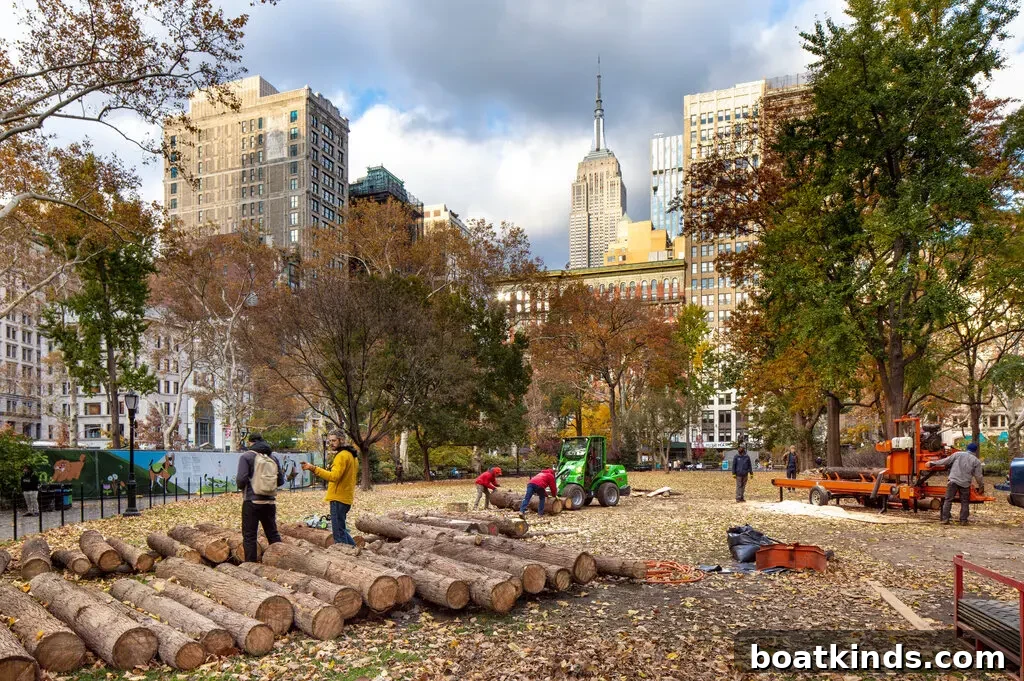
When the temporary exhibition concluded, organizers and Lin faced a common question for environmentally minded public art: what next? Many of the trees could have been reduced to mulch or processed into shingles, a routine fate for timber cleared during landscape management. Instead, a different, more intentional path was chosen. The dead cedar trunks were milled into boards, preserving the material value and narrative of the trees while giving them a new purpose beyond the life—or death—of the installation.
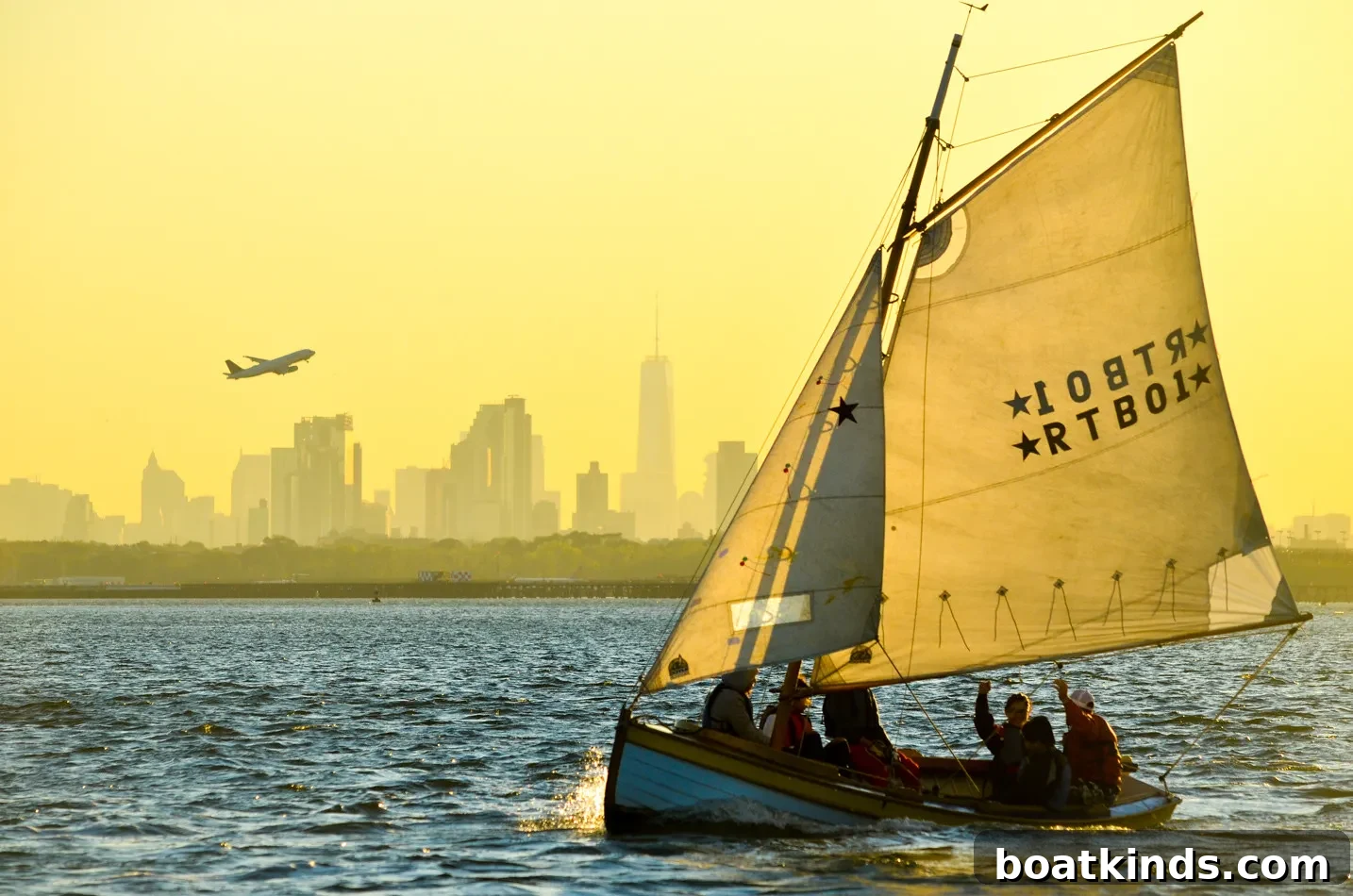
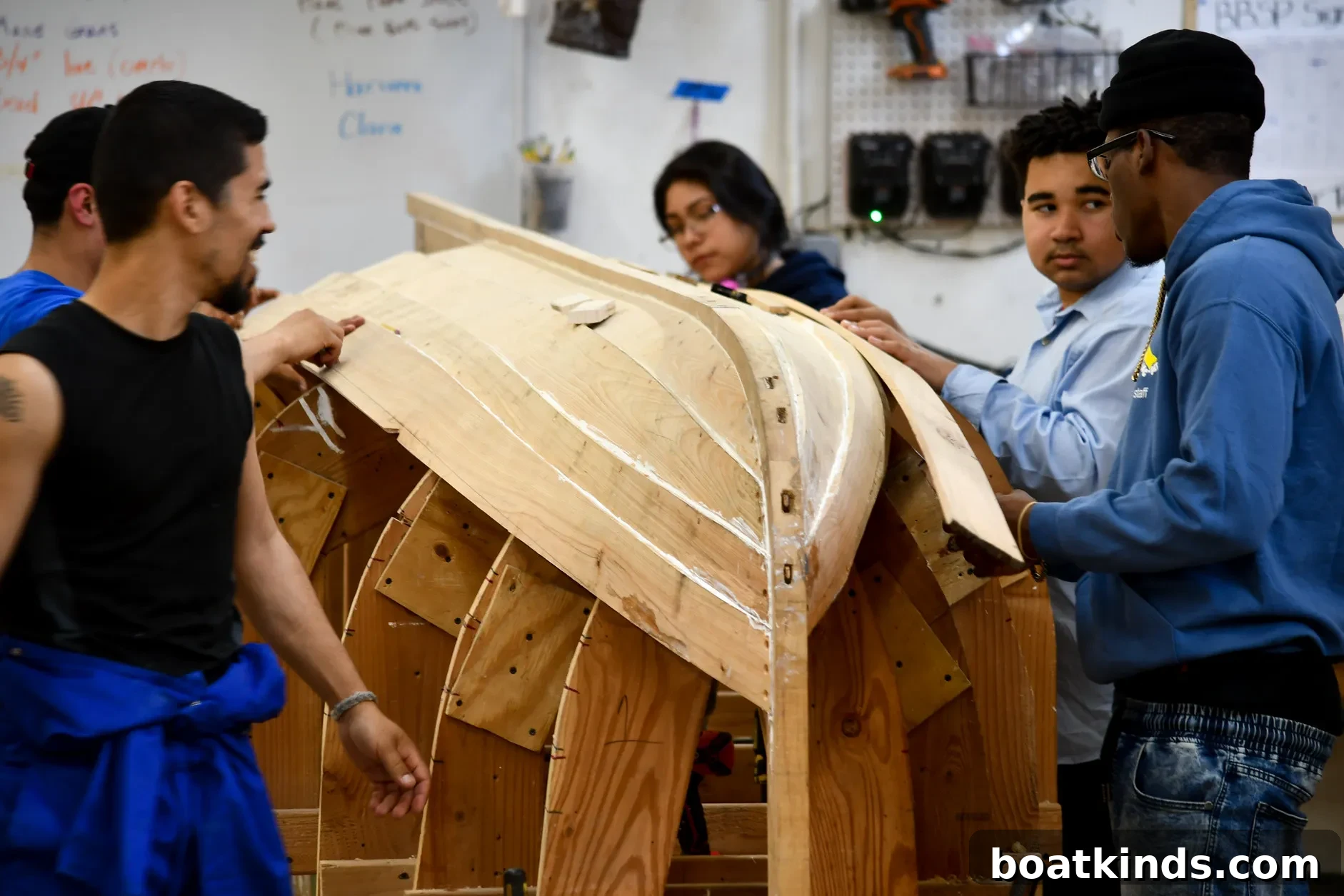
These milled boards are slated to be used by Rocking the Boat, a community-based boatbuilding and environmental education program in New York City. Rocking the Boat specializes in teaching wooden boat construction, ecological stewardship, and teamwork, often working with local youth and volunteers. By supplying reclaimed cedar from Ghost Forest, the project extends Lin’s original environmental message: materials that symbolize loss and ecological stress are being reused to create functional objects that reconnect people with water, craft, and stewardship.
This transformation from public artwork to usable craft reinforces several key ideas central to Lin’s work. First, it emphasizes material lifecycle and reuse: rather than discarding the wood, the project honors the trees’ origin and preserves their story through new, human-scale objects. Second, it links urban audiences with the rural landscapes from which the trees came, creating a tangible bridge between New York City viewers and the Pine Barrens ecosystems. Third, the boats themselves become teaching tools—mobile platforms for education about waterways, climate impacts, and traditional craftsmanship.
In interviews and coverage following the installation, Lin expressed satisfaction that the trees and the Ghost Forest concept would continue to serve the public in new ways. The reuse of the Atlantic white cedar aligns with broader trends in sustainable design and circular resource use: designing with an eye toward the end-of-life of components and prioritizing reuse over disposal. For public art and environmental practice alike, Ghost Forest’s afterlife as boat-building timber demonstrates a practical model for responsible stewardship.
For communities, artists, and environmental organizations, the project offers a blueprint for how temporary public art can generate long-term value. By transforming salvaged trees into educational boats, the initiative keeps the conversation about climate, loss, and resilience alive while providing hands-on opportunities for learning and engagement. Maya Lin’s Ghost Forest thus moves from a contemplative field of dead trunks to active craftworks that carry both material history and renewed purpose, illustrating how thoughtful design can turn cautionary images into instruments of community and ecological renewal.