
Antigua’s Varnishers: Caribbean Craftsmanship at Work in Newport
Every winter, yachts from around the world migrate to the warm Caribbean, drawn by favorable weather and a mature service infrastructure. Owners use the season to repair and refresh their vessels—and few tasks receive as much attention as brightwork. Antigua, long regarded by many as the “Varnishing Capital of the World,” has developed an exceptional reputation for varnishing, refits, and routine maintenance. Its craftsmen are sought after for their consistent, high-quality finishes.
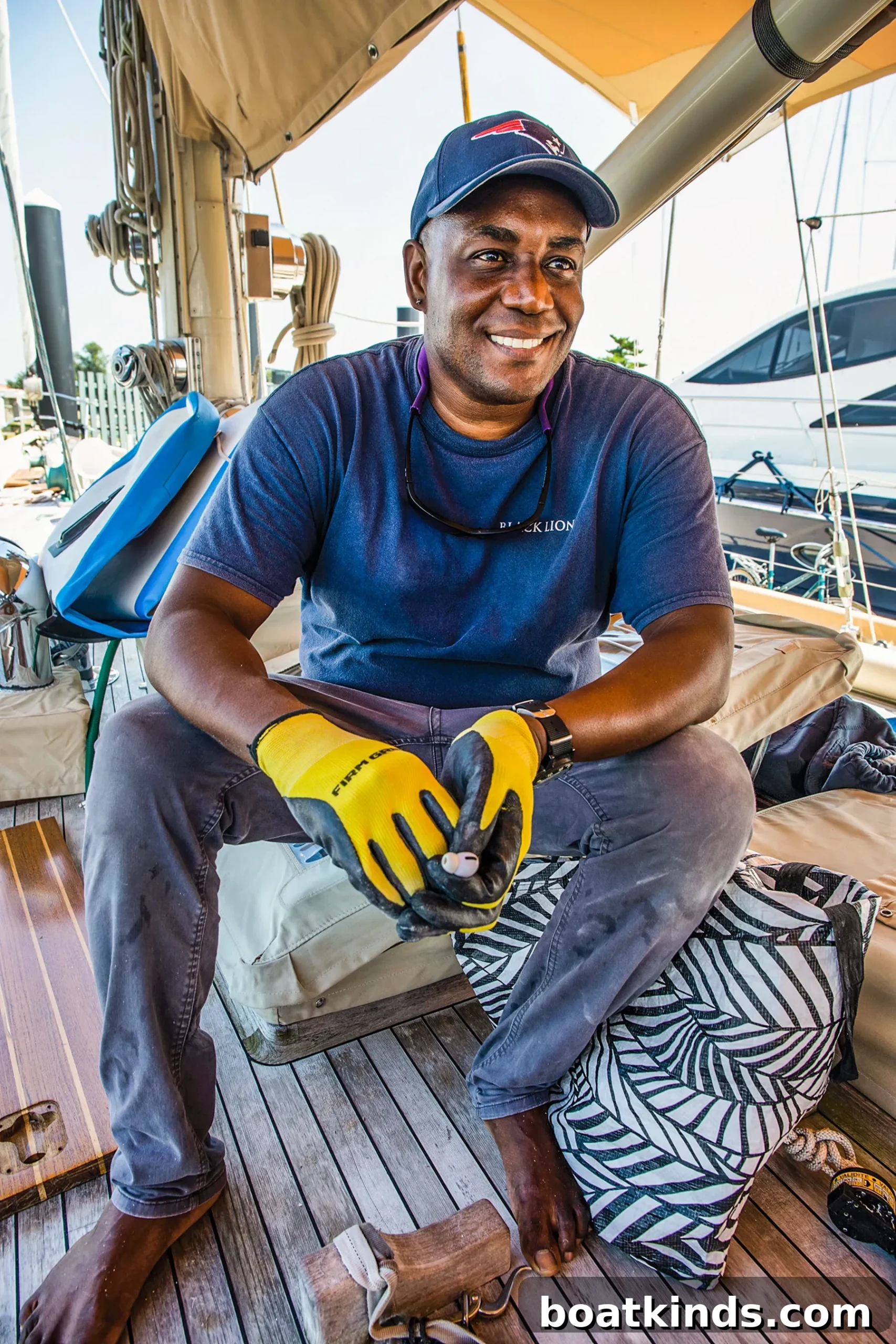
The island’s varnishing tradition began in the 1950s when wooden yachts en route to Caribbean winter ports required regular upkeep. Local tradesmen learned through practice, and later through formal training with paint and varnish manufacturers. Over decades, that combination of hands-on experience and technical knowledge produced artisans whose skills became industry benchmarks.
Author Nic Compton, in Ultimate Classic Yachts, recalls owner Richard Oswald hiring an Antiguan crew to strip and apply 10 layers of varnish to a 112-year-old schooner. “Each island [in the Caribbean] is good at different things,” Oswald said. “You do the most visible varnish in Antigua because they do the best job.” That endorsement highlights why some owners still travel specifically for Antiguan varnishers.
These days, many Caribbean craftsmen follow the yachts as seasons change. Rather than wait for owners to return to the islands, varnishers now travel to U.S. yards where yachts spend the off-season. Newport, Rhode Island—home to a lively classic-boat and superyacht scene—has become one of the most prominent locations for this work.
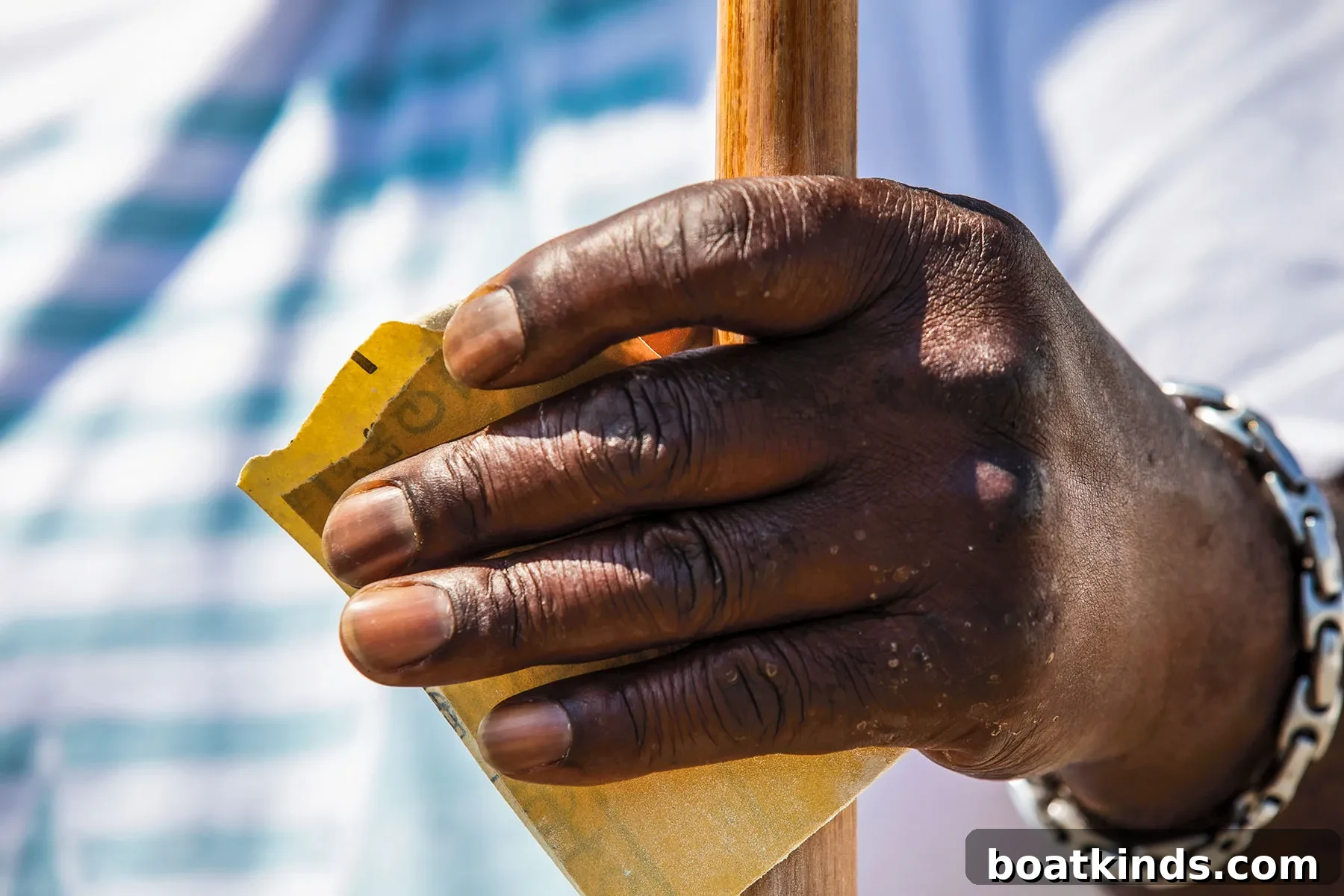
On a sweltering August day at Safe Harbor Newport Shipyard, the docks are busy with owners, crews, and contractors. Only days earlier Hurricane Henri had forced storm preparations, but the yard quickly returned to full activity. For varnishers, Newport’s boating culture provides steady demand year after year.
Brothers Marcus and Guy James, originally from Saint Lucia and co-owners of MJ Yacht Maintenance, have worked in Newport for 37 years. I met them aboard the classic sailing yacht Valero where they were restoring interior floorboards. “Newport is one of the best places on the East Coast for maintenance,” Marcus said. “There are at least ten to twelve crews here that come from all over.”
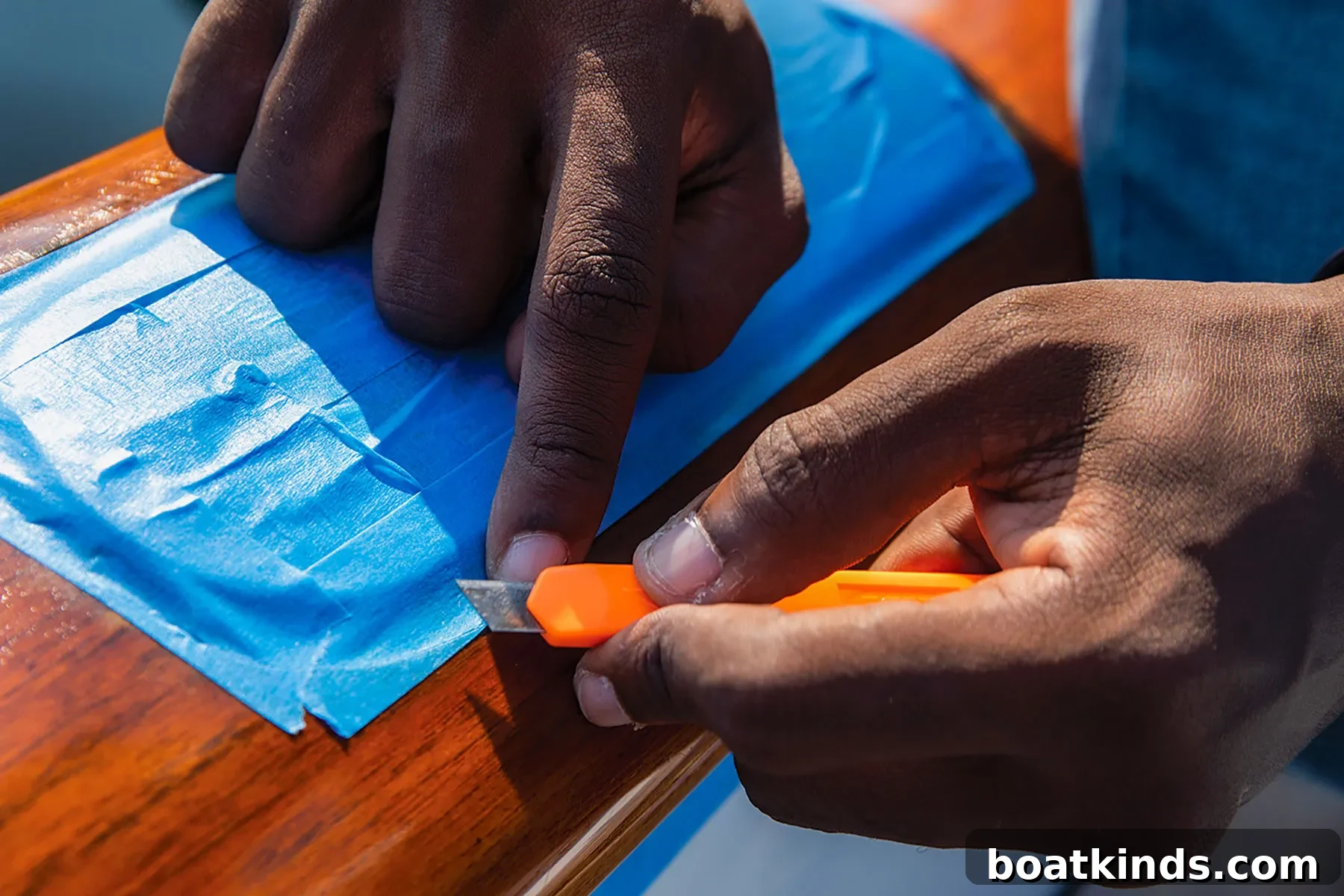
Marcus began varnishing in Saint Lucia, then sailed north as a crew member and eventually settled in Newport. He started his own company, bought a house, and built a reputation through word of mouth. “It’s a small community. Anytime you do good work, your name goes around,” he explained. The work is plentiful, and reputation matters more than undercutting competitors: quality keeps crews busy.
Spring is the busiest season, but the brothers stay active all summer. The short working window between owner use and seasonal transitions means projects are often time-sensitive; jobs must be completed quickly so owners can return to the water. In winter, Marcus and Guy head south—many varnishers return to Antigua while others winter in Florida—but they frequently service the same boats each year. They’ve worked on Valero for a decade and even delivered her from Savannah to West Palm Beach last winter. “Some boats you get attached to,” Marcus said. “Valero is one of my favorites.”
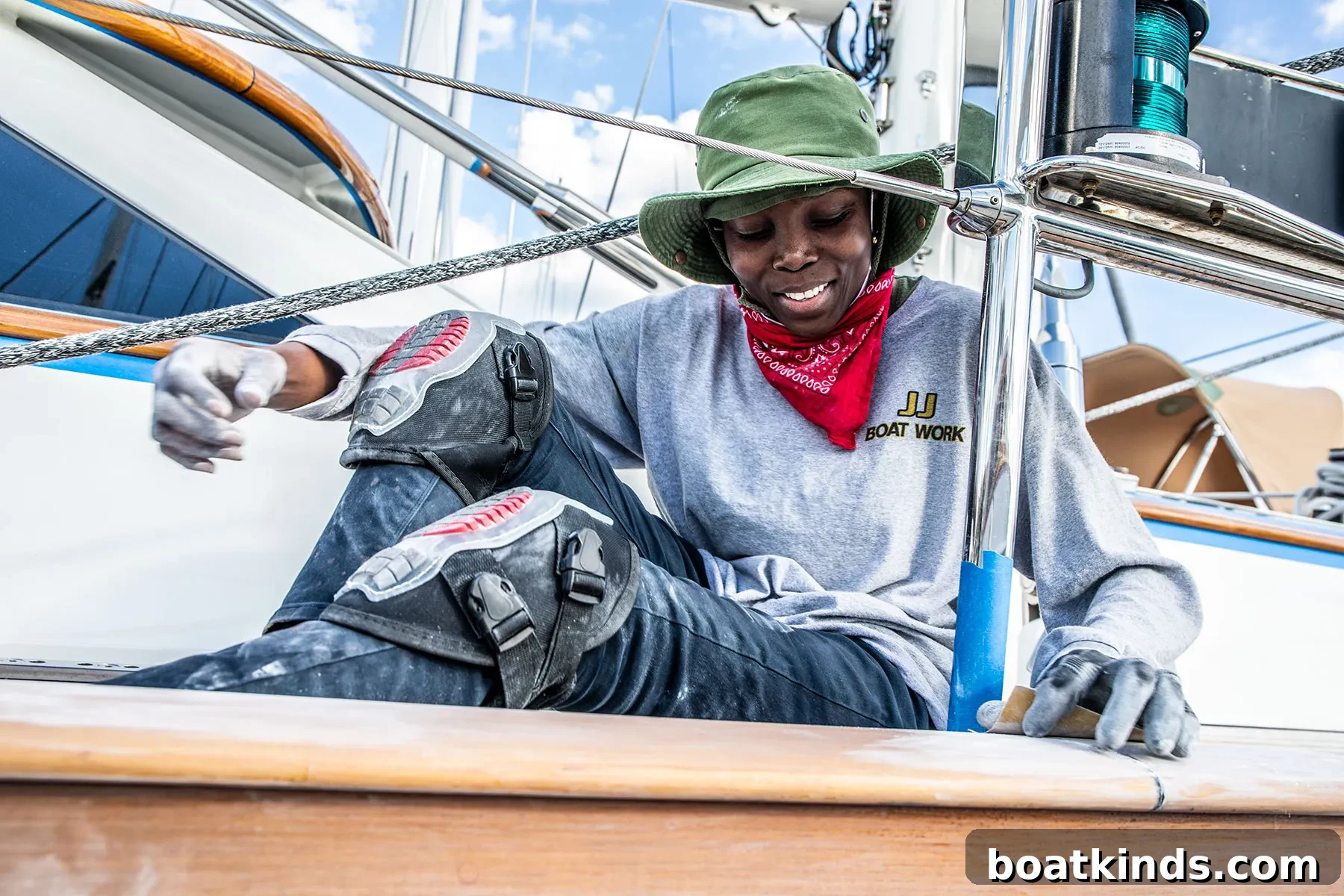
Not far away, 19-year-old Joseph O’Garro, a third-generation varnisher from Antigua, had just begun his first week in Newport. Working with his uncle John at JJ Boat Work, Joseph shared how family ties and a desire to learn drove his move. He described the work as rewarding: quiet, hands-on, and skill-based. Typical days run from 8 a.m. to 5 p.m., with evenings added when deadlines demand it. Teams often juggle three to four boats at a time to meet tight turnaround requirements.
Work extends beyond the main shipyard as varnishers travel to nearby marinas to follow jobs. In Portsmouth, Rhode Island, I visited a wooden sailing vessel at Hinckley Yachts and met the crew of Original Varnish, led by Ricky “Rankin” Thomas. Rankin, who left Antigua for Newport thirty years ago, manages a team of a dozen and often returns to Antigua in winter to visit family and take on more projects.
Rankin emphasized the difference in how varnishing is viewed in the U.S. versus Antigua. In America, manual trades can be undervalued compared with office work, but in Antigua varnishing is respected and offers solid opportunities. His clients include a range of builders and boat types, and he says the most satisfying moment is seeing a boat transformed and hearing a bystander exclaim, “Wow!”
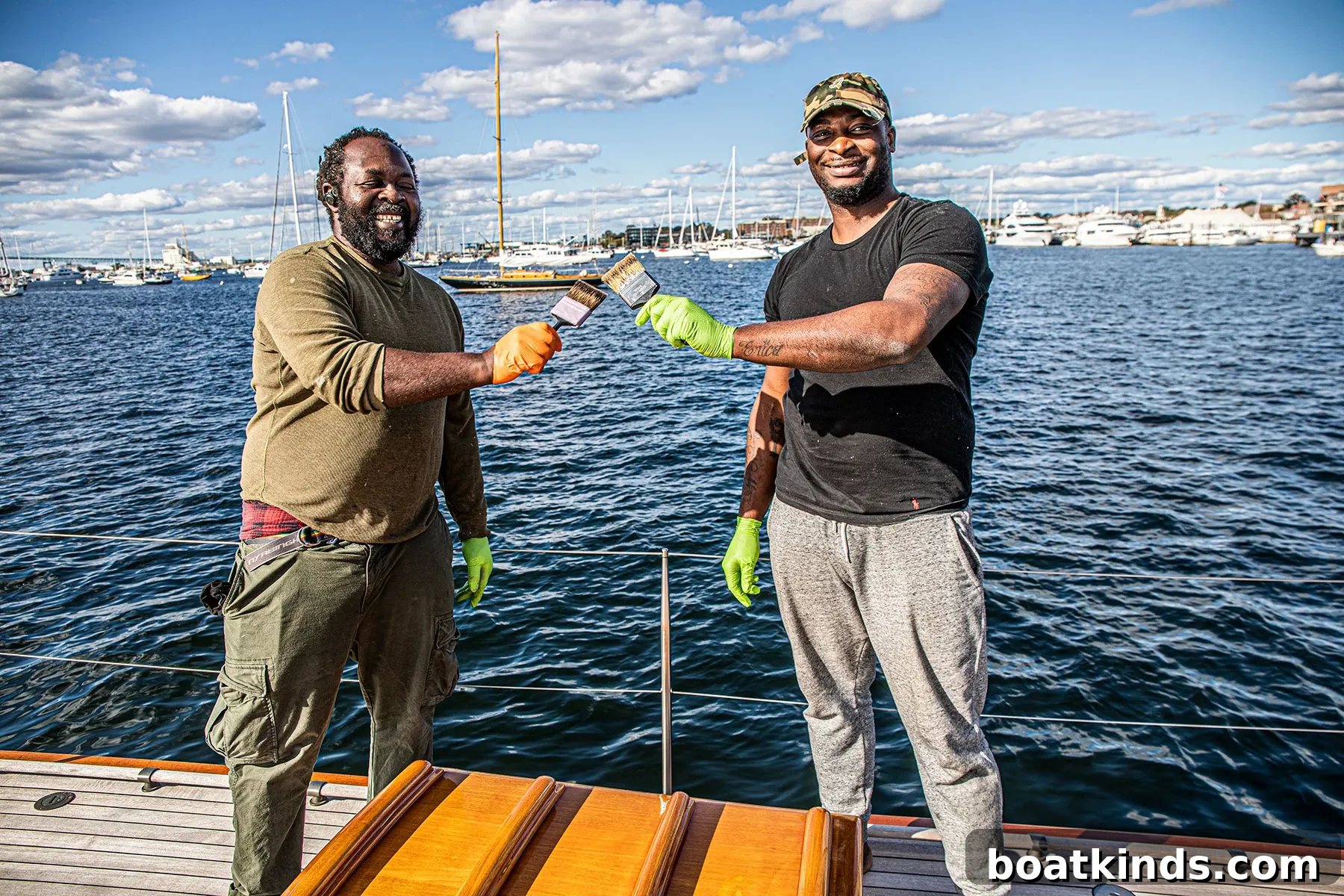
For these craftsmen, varnishing is part trade, part tradition. It provides a way to support families, travel with the seasons, and refine a visible skill. The work ties generations together—many who practice the craft follow in their parents’ footsteps—and it leaves a lasting mark on the vessels they tend. “It can be very rewarding when you get everything done and see the finish,” Marcus reflected. “That’s when you appreciate the beauty of it.”
This article was originally published in the February 2022 issue.