
Chris-Craft, one of America’s oldest and most recognizable boat builders, is celebrating its 150th anniversary this year. Stephen F. Heese has been the company’s president for more than 23 years. We asked Heese to reflect on Chris-Craft’s evolution from a small wooden-boat yard to a contemporary legacy brand.
Soundings: Can you take us through the highlights of the Chris-Craft origin story?
Stephen Heese: Chris-Craft began in 1874 when Christopher Columbus Smith, a young craftsman in Algonac, Michigan, started building wooden duck boats. The firm was first incorporated in 1910 as the Smith Ryan Boat Company and later changed its name to Chris-Craft in 1924. In the 1920s Chris famously began marinizing automotive engines, a development that linked him with Henry Ford and helped power early recreational boating.
Chris Smith passed away in 1939, and during World War II the yard shifted its production to meet wartime demand. Among the wartime craft were wooden, single-engine landing boats—often referred to as “Higgins boats” after the New Orleans yard that designed them. Many companies, including Chris-Craft, built these essential landing craft; the World War II Museum in New Orleans documents their significance.
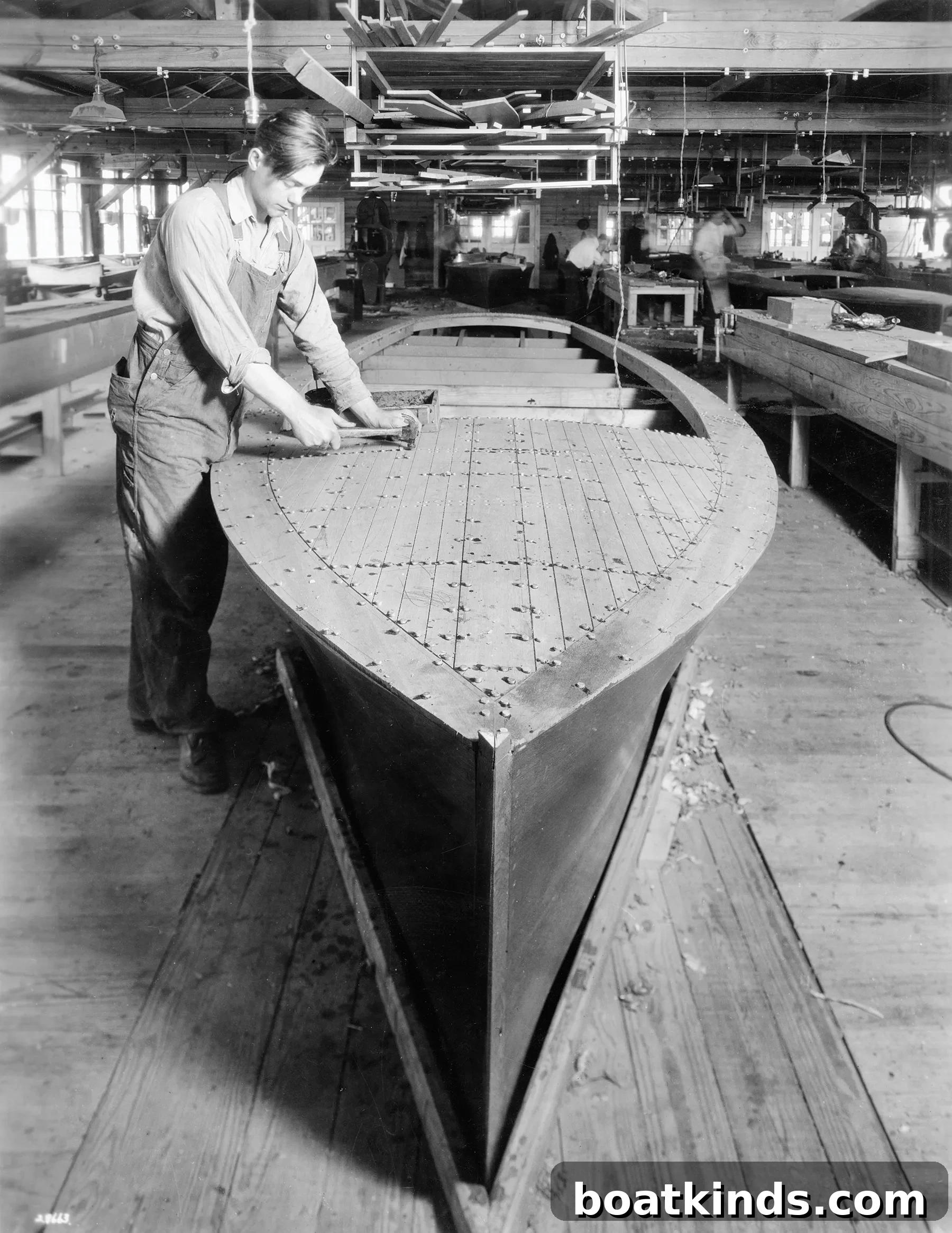
After the war, Harsen Smith, Christopher’s grandson, expanded the business, building multiple plants and organizing a manufacturing network that brought mahogany to the yards by rail. Harsen’s success and influence were such that he appeared on the cover of Time magazine in 1959; he was an industrialist who knew how to scale production and manage a skilled Michigan workforce.
SO: Did many famous people own Chris-Crafts?
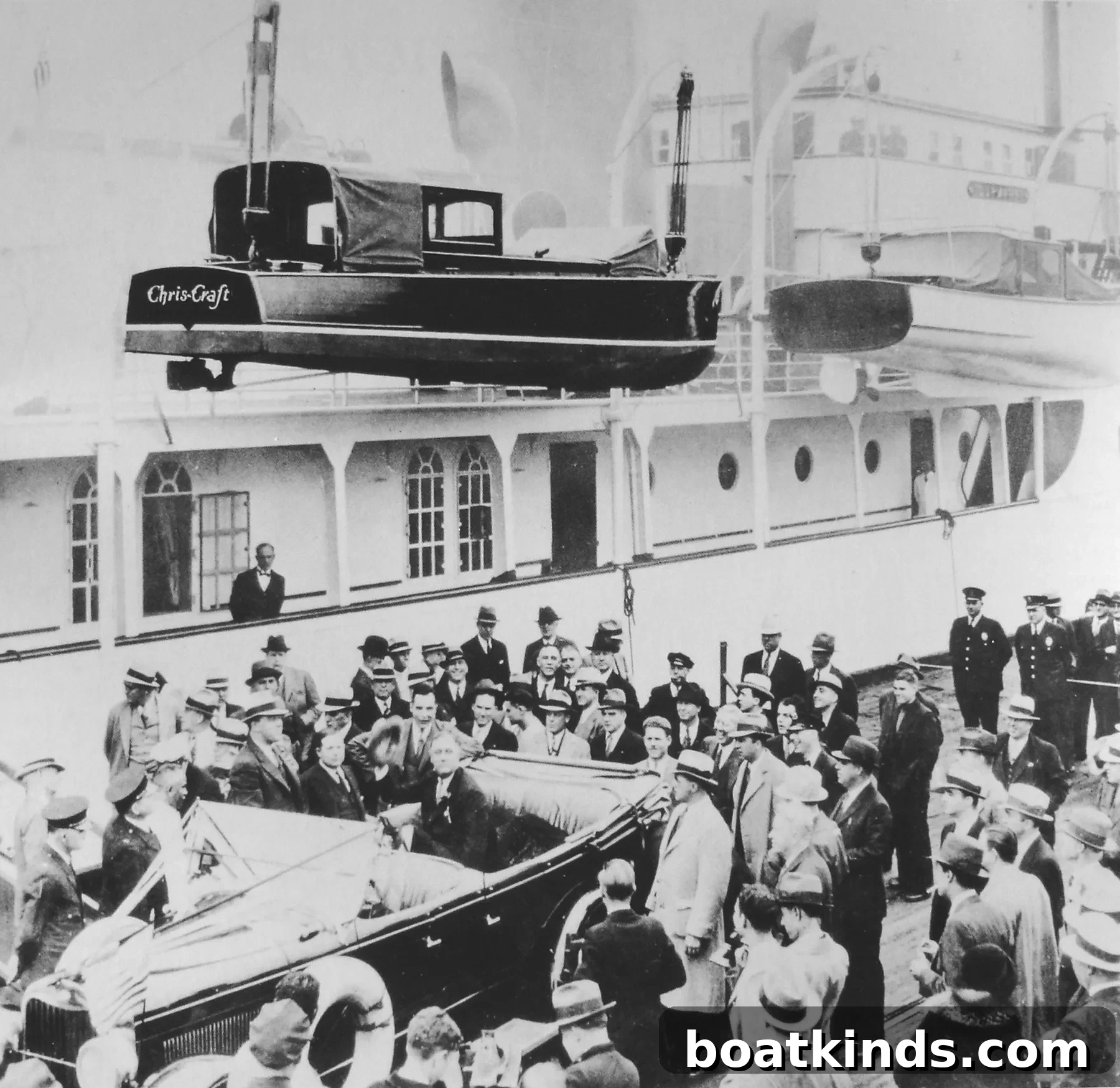
SH: Recreational boating was once the province of the wealthy, but many public figures were among those who enjoyed Chris-Craft boats. Franklin Roosevelt owned a Chris-Craft, and so did Brigitte Bardot. As boating became more accessible after the war, more people from varied backgrounds got out on the water.
SO: How did Chris-Craft help get more people out on the water?
SH: For much of the early 20th century, boating was an elite pastime. Chris-Craft helped broaden participation by building plants in multiple regions and creating one of the first dealer networks. They also produced kit boats that families could assemble and outfit with an outboard motor—making boat ownership attainable for more people.
SO: Did you grow up boating?
SH: I grew up in Tampa, Florida, spending my youth fishing, waterskiing and racing sailboats. Boating offered a sense of freedom, and because boats often required hands-on maintenance, I learned to work on them from a young age. That practical, take-it-apart generation shaped my early relationship with marine culture.
SO: How did you get your start in the boating industry?
SH: I met Stephen Julius at Harvard Business School in a class on Entrepreneurial Finance taught by Bill Sahlman, which had a major influence on both of us. Julius grew up on the Italian Riviera and had a deep connection to classic boat design through families associated with the Riva yard in Sarnico. In the late 1990s he pursued the opportunity to buy Riva, and he reached out to me for operational help. We developed the Aquariva and demonstrated the potential for revitalizing an iconic brand.
That experience informed our approach: you take an historic, high-quality brand that has fallen on hard times, rediscover what made it special, and design products that deliver on that promise. We applied that strategy later to Chris-Craft.
SO: When did you and Julius purchase Chris-Craft?
SH: In 2000 I moved back to Tampa with my young family. When Outboard Marine Company went bankrupt, Stephen and I bought Chris-Craft’s assets at a 2001 bankruptcy auction. The purchase was complex because the trademarks had been separated from the operating assets, so we secured the marks in a separate deal. For months it was a juggling act deciding whether to liquidate or rebuild. Ultimately we decided to revive the business, taking a middle-market brand and repositioning it toward the premium end.
We relaunched with three redesigned models and a new dealer strategy in 2002. The turnaround followed a clear playbook: identify the brand’s historical promise, develop products that fulfill that promise, and market them to the right audience. That approach revived Chris-Craft’s brand equity and even became the subject of a Harvard Business School case study.
SO: You sold Chris-Craft to Winnebago in 2018. How did that come about?
SH: Stephen and I had collaborated with Winnebago to design a luxury RV, and during meetings with Winnebago’s leadership we found strong cultural alignment. Mike Happe, Winnebago’s president and CEO, invited a frank, extended discussion at my kitchen table. Though Chris-Craft wasn’t for sale initially, we felt Winnebago would be a good steward for the company, its employees, dealers and customers. Stephen exited after the sale, and I signed a two‑year employment agreement—one that I’ve extended because I continue to enjoy the work. Under Winnebago’s ownership we have opened a new plant and raised production capacity by about 50 percent.
SO: In the 24 years you have been with Chris-Craft, how have boat buyers changed?
SH: The market has shifted significantly since the Great Recession. Sterndrive sales that numbered around 80,000 before the crash fell dramatically; cabin-boat sales declined as well. Pontoon sales grew substantially, and outboard propulsion now dominates many saltwater segments. Leisure patterns have changed, too—owners often want shorter, more convenient outings rather than weeklong cruises or constant entertaining.
SO: What are you doing to protect Chris-Craft as a legacy brand?
SH: We preserve Chris-Craft’s classic design language while evolving product features to meet modern buyers’ needs. The company can develop new models relatively quickly, and by staying focused on premium buyers we protect the brand’s identity and long-term value.
SO: Are you looking at electric propulsion?
SH: Yes. Last summer we launched an all-electric concept, the Launch 25 GTe with EVOA propulsion. While that exact model may not reach production unchanged, electric propulsion will be part of our future lineup as we develop viable electric options for premium buyers.
SO: Looking forward, what is the future of Chris-Craft?
SH: The plan is continued product development with a broadened range: going both smaller and larger in size. We will introduce a 22 and a 40 next year, and a new 24 later this year, expanding the line to serve more buyers while retaining the brand’s heritage styling.
SO: Many people are still passionate about vintage Chris-Craft boats. Is there a club?
SH: Yes—the Chris-Craft Antique Boat Club publishes the Brass Bell quarterly and supports owners restoring classic boats. The club’s trading post and classifieds help people find period parts, instrument panels and restoration services. It’s a strong community that keeps the legacy alive.
SO: When you bought Chris-Craft, did you inherit all the plans for the old models?
SH: We did inherit those records, and we donated the hull files and the company photo archive—about 300,000 images—to the Mariners’ Museum in Newport News, Virginia, ensuring the brand’s history is preserved for researchers and enthusiasts.
SO: Are the people who own wooden Chris-Craft boats today a different group than the owners of your new fiberglass models?
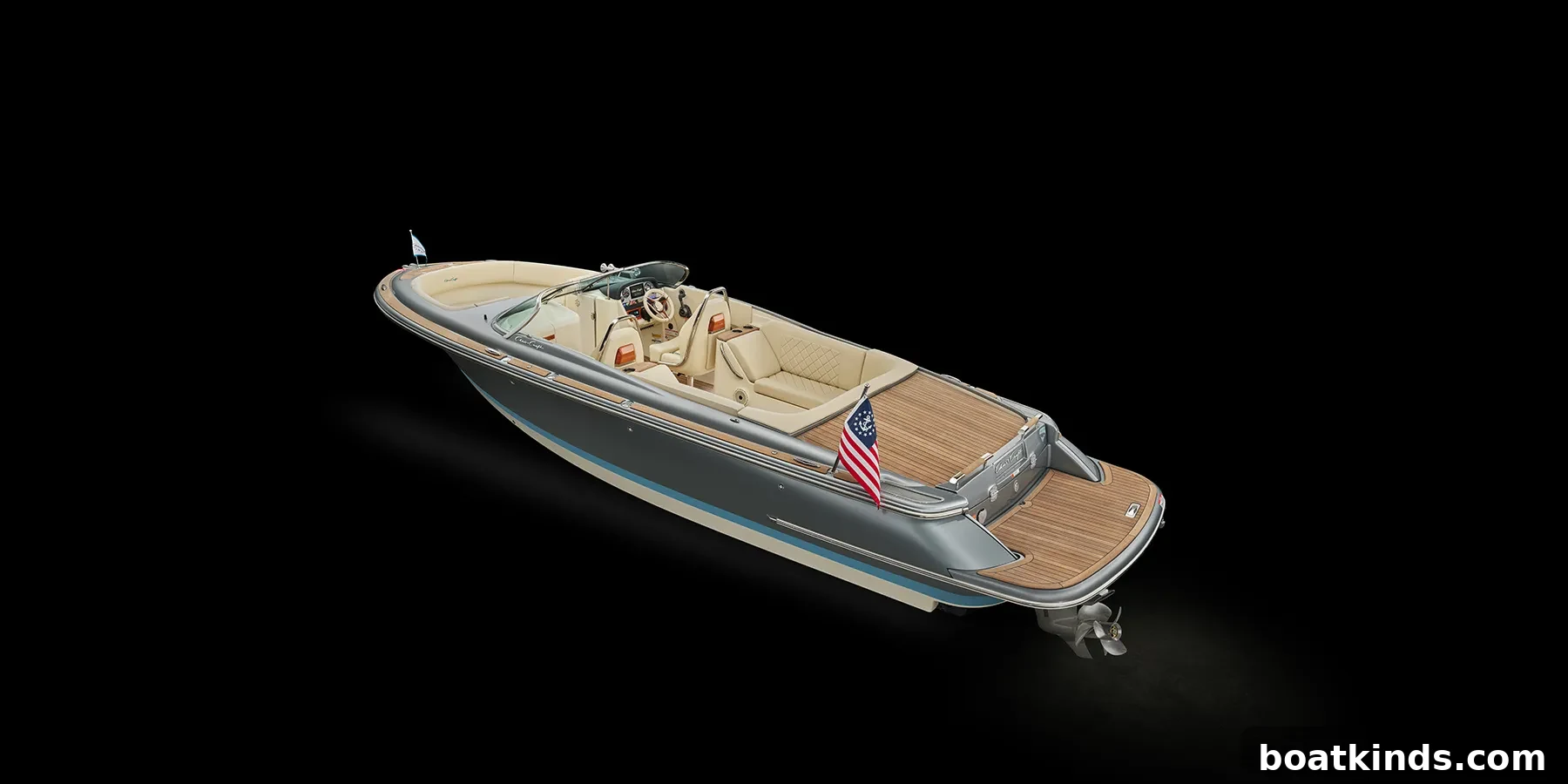
SH: Buyers vary by purpose and preference. You’ll often see vintage wooden Chris-Crafts and modern fiberglass Chris-Crafts docked side by side on lakes like Geneva and Winnipesaukee. Some owners purchase and restore older boats as a labor of love, while our modern customers appreciate the nostalgic lines—such as the tumblehome profile—delivered in contemporary materials and finishes.
SO: Are you an antique Chris-Craft fan?
SH: Absolutely. The brand’s history and iconic design resonate with everyone at the company. Chris-Craft represents a piece of American maritime history, and preserving that legacy remains central to our mission.
This article was originally published in the May 2024 issue.