
Washington College’s Idea Works Wins Manned Class at Navy‑Sponsored Electric Boat Competition
Washington College’s student team, Idea Works, captured first place in the manned division of the Electric Boat Competition, a program backed by the U.S. Navy and the American Society of Naval Engineers (ASNE). The victory highlights innovation in electric propulsion and the impact of interdisciplinary collaboration.
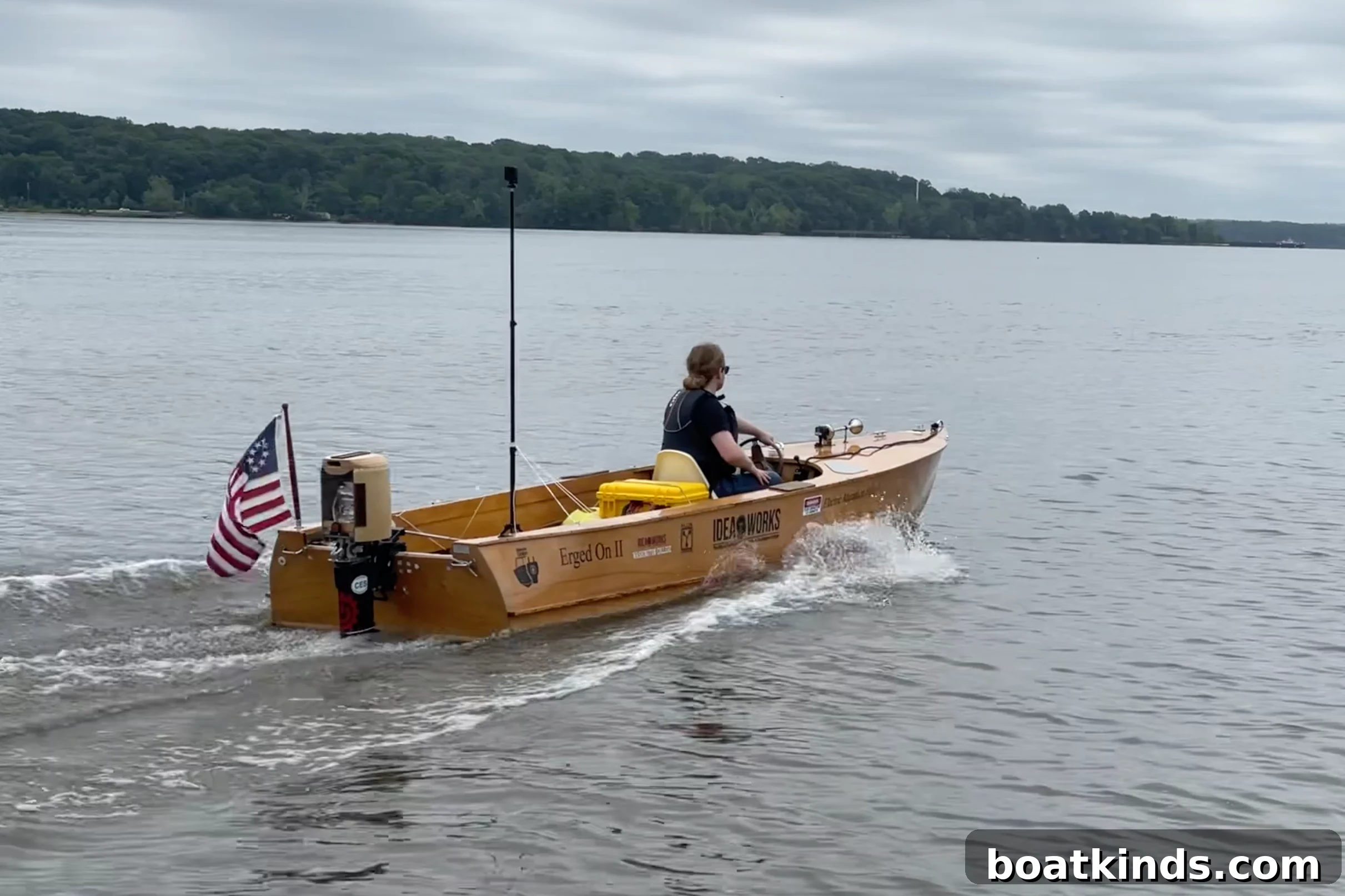
The Idea Works team completed the prescribed 5‑mile course across Broad Bay in Virginia Beach in 22 minutes and 23 seconds, averaging 13.4 mph. Their entry used a water‑cooled electric propulsion system mounted on a wooden hull, demonstrating an effective balance of thermal management, efficiency and practical construction techniques.
The competition drew students from 34 schools and more than 200 participants. Washington College’s accomplishment is particularly notable because the college does not have a formal engineering program. Despite limited access to high‑end motors, large battery packs and custom boats, the students optimized system performance through careful design, testing and battery management. Their approach emphasized improving battery lifespan and maintaining steady voltage under load—two decisive factors in completing the course reliably and competitively.
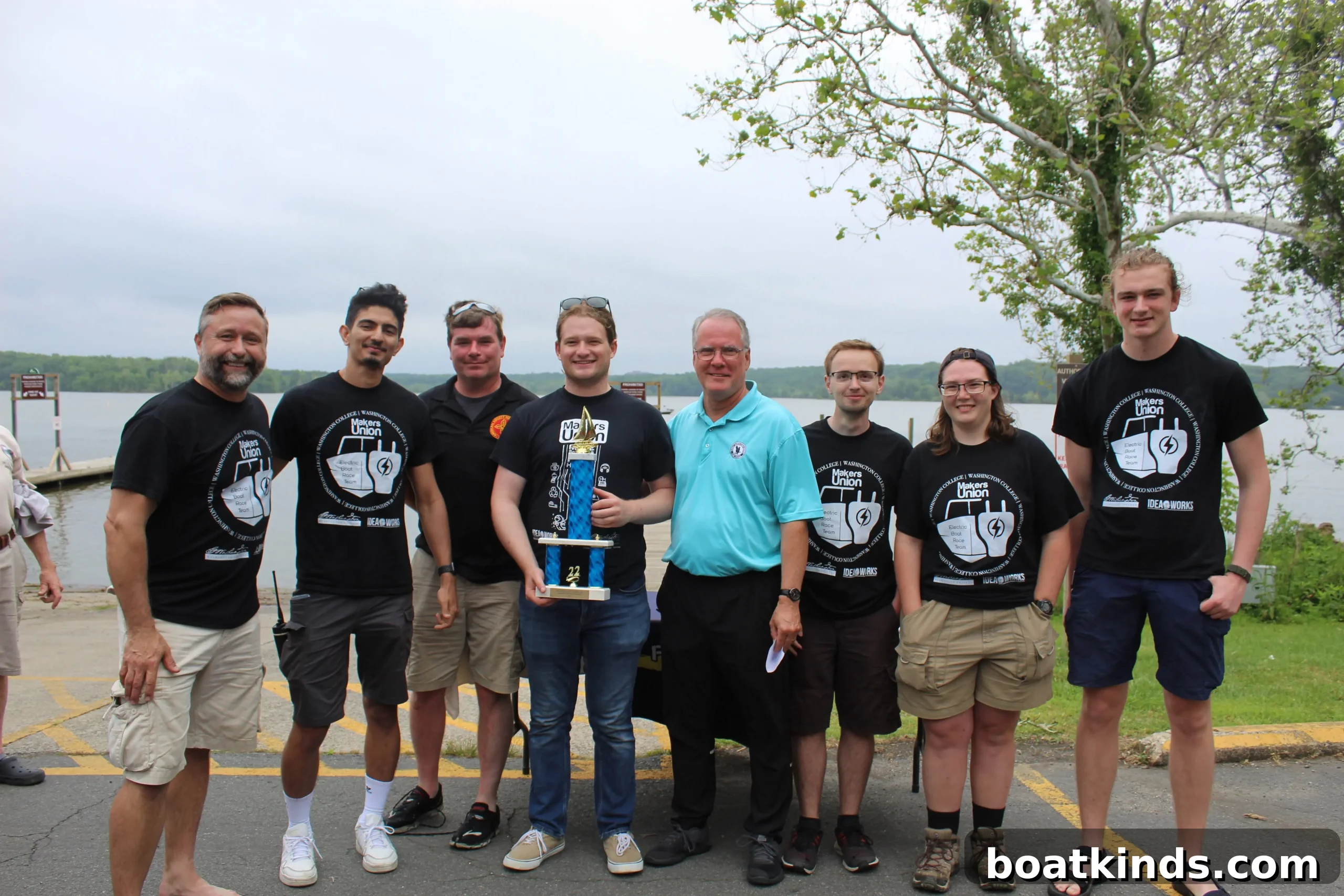
The Idea Works roster included Evan McCarthy (team captain and driver), Jakob Stiens, Seyed Marjaei, Hannah Perkins and Tristan Wright. The group combined complementary skills across technical, organizational and operational roles, allowing them to build and refine a propulsion system that outperformed teams with access to greater resources.
“What makes this team different is that we aren’t just engineers,” said Seyed Marjaei. “Even big corporations are made up of multiple departments like marketing, business and finance. We follow the same structure where everyone in any field of interest can get involved and apply their knowledge to a real, world‑class project.” This emphasis on cross‑disciplinary teamwork reflects the competition’s intent to mirror professional engineering environments and to prepare students for collaborative problem solving.
The Electric Boat Competition was launched through a partnership involving Dr. Steve Russell from the Sea Warfare and Weapons department, Tim Cullis from the Naval Sea Warfare Center Carderock, and Dr. Leigh McCue from ASNE. The initiative aims to encourage students to pursue electric propulsion technologies and to provide hands‑on experience in designing, integrating and testing electric drive systems for marine applications.
Washington College’s win underscores several broader trends in marine technology education and competition:
- Hands‑on, student‑led projects can produce high‑quality engineering results even outside formal engineering curricula by leveraging creativity and cross‑disciplinary skills.
- Thermal management and battery health are as important as raw motor power; a well‑cooled, well‑managed battery pack can sustain performance over a race course where larger, less optimized systems may fail.
- Competitions sponsored by military and professional organizations create valuable real‑world testing grounds for emerging propulsion technologies, accelerating both student learning and technological adoption.
For Washington College, the victory is both a practical accomplishment and a showcase for the college’s broader educational approach—integrating students from diverse academic backgrounds into complex, technical projects. The team’s success at Broad Bay sends a clear message: thoughtful design, disciplined testing and strong teamwork can overcome resource limitations and deliver top results on the water.