
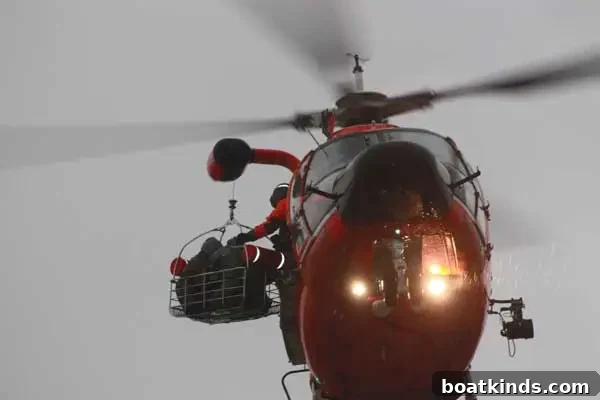
Catchy phrases and old rhymes can be comforting at sea, but they can also be dangerously misleading. Lines like “Don’t leave the boat until the boat leaves you” or “Red sky at night, sailor’s delight” persist because they rhyme and sound wise — not because they’re reliable. The ocean is complex and unforgiving, and absolute rules that fit on a bumper sticker rarely translate into safe decisions when conditions deteriorate.
During my years as a Coast Guard rescue swimmer, I flew countless missions looking for vessels and people in distress. Too often we arrived to find that a delayed call for help had turned a manageable situation into a tragedy. Many mariners cling to the idea that staying with a floating hull is always the safest choice. In reality, every incident is unique and deserves assessment based on weather, sea state, available rescue assets, and the physical condition of those aboard.
Myth 1: You Are Safer On The Boat
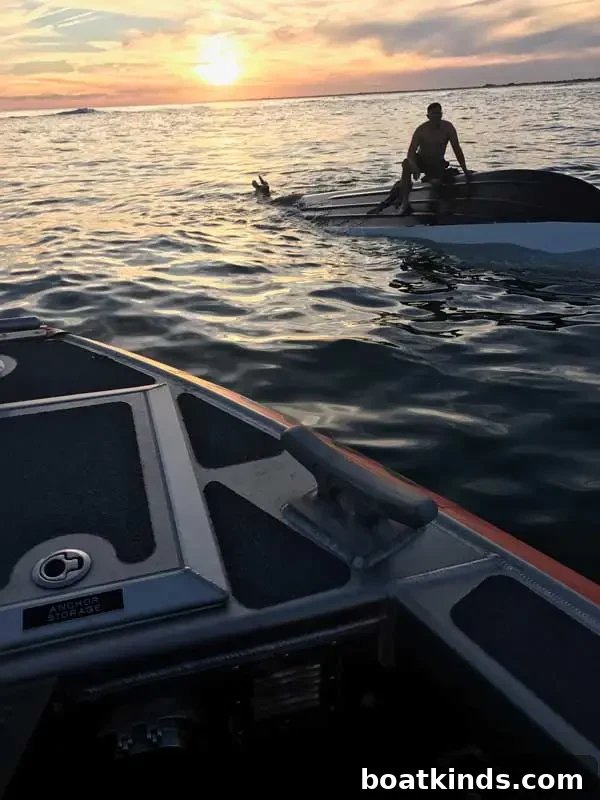
Historically, sailors stayed with their vessels because they had little option. Before reliable radios and modern search-and-rescue coordination, a drifting hull at least offered shelter and visibility. Today, that logic needs updating. Your boat may be structurally sound, but you and your crew are not built to withstand prolonged exposure, injury, or worsening conditions. Staying aboard until the last possible moment can turn a bad situation into a life-threatening one.
Deciding when to abandon ship is about timing and circumstance. Look for windows of relative safety: daylight, calmer seas, and the presence or imminent arrival of rescue resources. If rescue assets can safely approach in daylight and a simple transfer to another vessel is possible, that is often preferable to a risky nighttime evacuation. Conversely, waiting for daylight in deteriorating conditions can make evacuation much more hazardous.
When you do choose to leave the boat, understand the distinction between abandoning the vessel and evacuating into a life raft. If conditions allow, inflate and board your life raft early — while you can climb down in an orderly fashion and gather supplies. If the boat is still afloat, you don’t necessarily need to sever your painter; remaining tethered can help searchers locate you. Being in a tied-off, fully provisioned life raft is far safer than clinging to a sinking deck or fighting waves to re-board a vessel at night.
Myth 2: Call the Coast Guard As A Last Resort
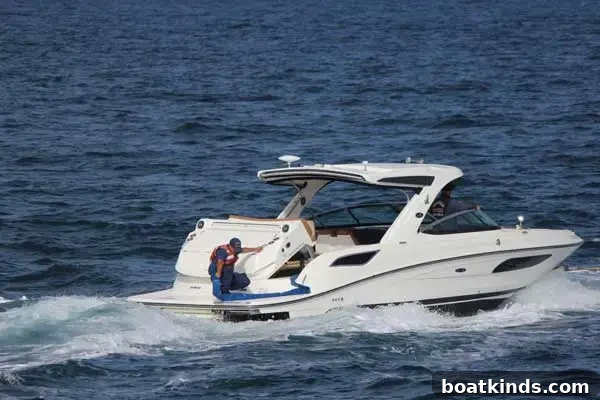
Too many mayday calls come too late. The best practice is to call early — and to use the appropriate urgency level. If you’re unsure, issue a pan-pan to notify nearby vessels and coordinating authorities that you have a problem but don’t yet need immediate rescue. A timely radio call doesn’t commit rescuers to a dramatic extraction; it simply opens channels and creates options. A nearby vessel might be able to assist, or search-and-rescue coordinators can reposition assets before the situation worsens.
Alerting authorities early gives rescuers more choices and more time to prepare. It lets fatigued crews call for relief, enables re-tasking of aircraft or vessels, and allows coordinators to guide you through immediate steps to stabilize your situation. Waiting until conditions force a mayday increases risk for everyone and reduces the likelihood of a positive outcome.
Myth 3: An EPIRB Is All You Need
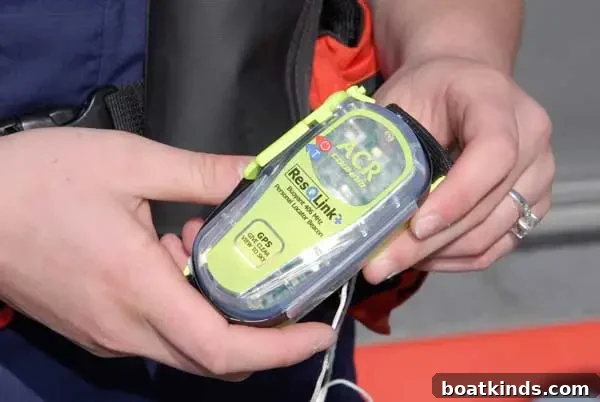
EPIRBs are invaluable and have saved many lives by enabling search teams to home in on a signal. However, they are a tool, not a complete survival plan. An EPIRB transmits a location — its own — but it won’t keep you warm, dry, or afloat. Activating an EPIRB guarantees a search, but not an immediate rescue or protection from the elements.
Rescue teams often find EPIRBs detached from the people they were meant to help. When used correctly, beacons are activated manually if possible, and they are carried in the life raft or attached to a survivor wearing a lifejacket or immersion suit. In addition to an EPIRB, carry visual signaling devices, maintain a well-stocked ditch bag, and ensure everyone aboard wears appropriate flotation and protective clothing when abandonment becomes likely.
No single guideline applies to every emergency at sea. There are certainly times to stay with your vessel, and there are times to abandon it. The difference between a near miss and a disaster is often early communication, proper use of survival equipment, and making realistic assessments about what you and your boat can endure. Plan for repairs, but know your limits. Call for help early, use an EPIRB properly, inflate and board life rafts under the safest conditions possible, and prioritize the wellbeing of your crew and rescuers over romantic notions of self-reliant seamanship.
This article originally appeared in Soundings’ February 2017 issue.