
What is it really like to go cruising—exploring coastlines, rivers and bays, dropping anchor in one harbor after another, and living by the rhythms of wind and tide rather than traffic lights? What is it like to follow migrating birds south, to wake without a dock to return to on Sunday night, or, for that matter, to have no dock at all?
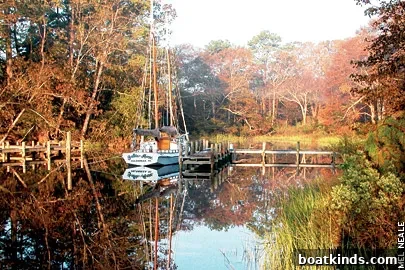
When I was nine, I got my first boat and started taking longer and longer trips. In 1979 my wife, Mel, and I moved aboard a 47-foot sailboat. It sat at our backyard pier at first, but after selling most of our things and relinquishing our house, we sailed south with our two baby daughters. We didn’t know what lay ahead—only that the stars above were bright and our questions were many, including worries about losing the steady income and security of our former professional lives.
Decades later we’re still cruising, covering several thousand miles a year. The cruising lifestyle has changed—some for the better, some less so—but our love for it endures. People who haven’t lived aboard often romanticize the idea and wonder if they should try it before it’s too late. The short answer is: yes, it can be wonderful—but it’s not all sunsets and gentle breezes. There are hard realities that every prospective cruiser should understand.
Cruising can be many things
Cruising is a flexible lifestyle. It can be a summer escape, a sabbatical, a few years of living aboard after retirement, or a lifelong way of life. Some cruisers move from marina to marina, dining ashore most nights and anchoring only occasionally. Others treat their boat like an RV—relying on marina services, calling for a tow when systems fail, and flying home until repairs are done. Many of us anchor out most of the time, rarely tying up to a dock because we enjoy the solitude or must economize. We also do much of our own mechanical work; independence and self-reliance are essential when you cruise in remote regions where help is scarce.
No single approach is superior. What matters is safety and what fits your needs. But cruising always involves two unavoidable constants: exposure to raw nature and reliance on mechanical systems that will eventually fail. The sea is powerful and unforgiving; many cruisers have lost boats, suffered injuries, or worse because they underestimated those forces. Even “inland” waters—bays, sounds and rivers—can become dangerous under the right conditions. Equally, equipment that works fine for weekend use will be pushed hard when lived on continuously, so maintenance and mechanical skill are critical.
Seamanship and self-reliance
Seamanship is not just a buzzword. It’s a broad set of skills ranging from book knowledge to accumulated, practical experience. You can’t learn to manage a storm by deliberately seeking out your first gale; progression and hands-on practice are essential. Many cruising failures trace back to gaps in basic seamanship—navigation, weather judgement, anchoring, and emergency procedures.
Money is another defining factor. How much you spend shapes your cruising style. If you plan a year or two away you’ll likely spend more than someone who is aboard indefinitely and performs most repairs themselves. Insurance, fuel, customs fees, and marina dockage all add up. The old image of hanging on the hook for months, living cheaply and barely spending anything is increasingly unrealistic: anchorages are more crowded, many are filled with moorings or marinas, and some coastal communities restrict long-term anchoring.
The cost of cruising
Costs have risen across the board. The Bahamas is no longer inexpensive due to customs, fuel and supply costs. Boat insurance has climbed in many regions. Marinas are costlier too—limited waterfront, environmental regulations and growing demand drive rates up. Even with careful maintenance, a major mechanical failure can wreck the best-planned budget. Many cruisers now factor in routine marina stays to reprovision, make repairs and rest.
In control—and out of control
One of the most surprising psychological realities of cruising is how quickly the sense of control you enjoyed ashore can evaporate. On land you had predictable routines, nearby services, steady utilities and a sense of safety. On a cruising boat, you are repeatedly reminded that you are at the mercy of weather, breakdowns and changing conditions. Weather can cancel plans, strand you in a harbor, or force all-night watches. Equipment failures can strike at the worst moment—a pump failing while you’re showering or a navigation instrument quitting in fog. Everyday comforts like lights and fresh water require active systems: generators, alternators, watermakers and battery management.
Couples often discover that cruising is a 24/7 commitment; there are no guaranteed “off” shifts like on a ship with a paid crew. The emotional strain can wear on relationships, and we’ve seen many enthusiastic crews stop the cruise early and put their boats up for sale when realities and personalities clash. Those who thrive are typically adaptable, patient, and willing to keep learning and sharing responsibilities.
The good news
Technology and improved gear have made many aspects of cruising easier and safer. Modern navigation and communication tools—chartplotters, reliable GPS, powerful binoculars, mobile phones and affordable internet options—help reduce anxiety and improve safety. You can carry many household comforts now: quality refrigeration, ice makers, watermakers, efficient battery systems and reliable refrigeration, all supported by modern inverter/chargers and generators. Cellular coverage reaches far more places than it once did, and many marinas and towns offer Wi-Fi. Satellite communications remain an option for those who can afford them.
Better equipment doesn’t eliminate the need to know traditional techniques. Paper charts, dead reckoning and basic navigation remain vital backups if electronics fail. And becoming adept at maintenance and repairs will save money and reduce stress when things inevitably break.
Typical cruising patterns
There is a recognizable pattern among East Coast cruisers: seasonal migration—head south for winter, north for summer—spending time anchored in favorite coves, making passages (often along protected waterways like the Intracoastal Waterway), and taking occasional marina stays for repairs, provisioning and respite. Marinas offer not just services but also the chance to meet other cruisers, take a break from constant watchkeeping, and use land transportation for flights and errands.
Places with good marina infrastructure, repair yards and transport links often become hubs for cruisers who want service or want to leave the boat while taking a break ashore. Staying in a marina can sometimes be the wiser financial choice compared to the potential costs of an anchoring incident.
* * *
Cruising isn’t all romance and challenge-free adventure. It demands responsibility, new skills and a realistic appreciation of both pleasures and risks. We’ve been sailing and living aboard for many years and still love it, but we do so aware of what it takes. Consider these observations fair warning rather than discouragement: with seamanship, preparation and a flexible mindset, you can handle the difficulties and enjoy a rich life on the water.

Tom Neale is technical editor for Soundings and lives aboard a Gulfstar 53 motorsailer. This article originally appeared in the December 2008 issue.