
One of the strongest reasons I pick up a rod and reel is the satisfaction of providing world-class protein harvested with my own hands for family and friends. From my earliest fishing trips, my father emphasized the almost ritual pleasure of eating what we caught; it felt like an act of respect for the sea. I appreciated the idea, even if, as a child, I often struggled to extract meat from the bones with a fork.

My dad scoffed at filleting, preferring the simple head-and-gut approach. To an eight- or ten-year-old, eating our catch seemed sometimes more about avoiding waste than culinary celebration. Years later, after many seasons on boats of all kinds, I’ve learned that careful handling and proper cutting turn good fish into great dishes and can convert skeptics into seafood fans.
Over hundreds of hours talking with deckhands, captains, charter and commercial crews, buyers, wholesalers, retailers and chefs, I’ve developed firm views on how to treat fish from the moment they hit the deck until they reach the pan or sushi rice. Small changes in technique make a noticeable difference in flavor, texture and overall quality.
One big advantage for anglers is the condition of hook-and-line-caught fish. Unlike trawl- or net-caught fish, which can be bruised and abraded en masse, a rod-and-reel fish is generally landed in pristine condition — no punctures, crushing or excessive handling. That superior starting point rewards careful post-catch handling.
No matter the species, take advantage of a fish’s still-pumping circulatory system: bleeding fish immediately improves the final product. Slice through the membrane connecting the gills to the nape bone, then place the fish in a bucket of saltwater and let it bleed for 15 to 20 minutes. Don’t ice it until the bleeding is complete; chilling too soon can shock the fish and bruise the meat.
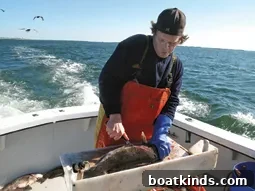
Standard cube ice works fine, but using a slush brine in a cooler — a mix of ice, salt water and kosher salt — is better. The near-freezing liquid chills fish quickly and gently, rinsing the surface and body cavity while protecting flesh from dents and bruises. A slush cooler can chill fish below 32°F without freezing, slowing decomposition from the inside.
Gutting is sometimes essential. Large pelagics such as tuna, swordfish or shark decompose rapidly from the gut cavity and should be eviscerated. Any fish with a lot of stomach contents, oily baitfish, crabs or large prey inside will also benefit from being gutted because strong odors and flavors can permeate surrounding muscle. If fish will sit on ice for an extended time or if the weather is hot, gutting helps preserve taste. That said, it’s often easier to fillet fish that still have their shape and guts intact, so weigh the options based on how and when you plan to process the catch.
Contrary to the old saying about fish “still flopping in the pan,” cutting or filleting certain species too soon after death can harm quality. For species like cod, bluefish, tautog, fluke, grouper and striped bass, allow at least an hour after death before filleting. Proper bleeding and chilling are critical, but letting the flesh rest prevents fillets from falling apart during cooking.
Filleting and skinning well are about the right knife, a razor-sharp edge, and practice. Use smooth, consistent strokes and follow the comb bones with light downward pressure; the lateral line provides a reliable guide to bone placement. Establish a consistent sequence — start on the same side and use the same cuts — and precision will lead to speed with repetition.
How you rinse finished fillets affects flavor and storage life. I used to avoid fresh water, believing only ocean rinses preserve taste. After experimentation and advice from friends, I now favor at least two saltwater rinses, followed by thorough drying with paper towels. If you rinse with fresh water, dry completely; any remaining moisture accelerates yellowing and freezer burn.
For freezer storage, vacuum sealing is the most durable option. If you plan to use fish within a week or two, dried, paper-towel-wrapped fillets in freezer bags work fine if you remove as much air as possible. Lay fillets flat and package meal-sized portions with similarly sized pieces to ensure even freezing and easy thawing.
When steaking thick fish like tuna, swordfish or salmon for long freezer storage, cut steaks at a 90-degree angle so connective sinews lie on a slight diagonal; this helps the steaks hold together during cooking. Vacuum-seal individual steaks if possible. If not, cut the loin into slightly thicker chunks and steak them just before cooking to avoid deterioration.
A few thoughtful steps between the moment a fish leaves the water and when it reaches the cutting board add little time but deliver a major improvement in flavor and texture. After a few trips, these habits become second nature — and the difference on the plate will be unmistakable.
Zach Harvey is fishing editor for Soundings.
January 2015 issue