
Ethan Allen Tour Boat from Lake George Listed for Sale After 2005 Sinking
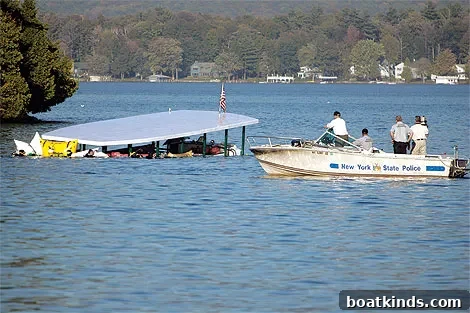
In 2005 the 40-foot, glass-enclosed tour boat Ethan Allen capsized and sank on Lake George, New York, in a tragedy that claimed the lives of 20 of the 47 passengers on board. The incident remains one of the most widely remembered boating disasters in the region. According to reports, the vessel has not returned to the water since the accident and has been kept ashore for years.
For the past 13 years the boat has sat outside a marina in Ulster County, more than 100 miles from Lake George. Its current owner, John Panzella, has recently listed the vessel for sale with an asking price of $49,000. The listing has drawn public attention and sparked debate about how to handle the physical remains of a vessel connected to a high-profile loss of life.
Panzella has defended the decision to offer the boat for sale, arguing that the Ethan Allen is a piece of maritime history and can be restored or repurposed. He has carried out several modifications since acquiring the hull, including replacing the engine and removing the heavy hard top that some observers suggested may have contributed to the original capsizing. Panzella says he installed a new, lighter aluminum top in its place. He has also painted over the boat’s original name.
While Panzella describes the vessel as functional and safe based on the work he has done, he reports that no firm offers have been made. The listing has prompted mixed reactions from the public: some people view the sale as a pragmatic step to transfer responsibility for an unwanted and controversial hull, while others feel the boat should remain out of circulation out of respect for those who died and their families.
The boat’s presence in Ulster County—115 miles from its site of the sinking—adds another layer to the discussion. Transporting, restoring, or displaying a boat tied to a tragedy raises practical questions about cost, regulation, and sensitivity. Potential buyers would need to consider not only the mechanical and cosmetic work required to make the vessel seaworthy again but also the ethical and legal implications of owning a craft associated with a fatal accident.
Local officials have weighed in on whether the Ethan Allen should return to Lake George. When the question was put to Bob Blais, Mayor of Lake George, his response was plain: “Personally, no.” That succinct reply reflects the careful stance many community leaders and residents take when remembering a loss that affected many families and visitors to the lake.
The listing offers several possible outcomes for the vessel. A buyer with the right resources could attempt a full restoration, perhaps converting the hull for private use or as a ceremonial exhibit. Alternatively, the boat could be dismantled and salvaged for parts, or it could remain on land as a static reminder of the risks associated with passenger boating. Each path carries distinct financial costs and moral considerations.
For those monitoring the sale, the Ethan Allen remains a potent symbol: a reminder of a tragic accident, a topic of ongoing public debate about safety and remembrance, and presently a property on the market. Whether the boat will find a buyer willing to take on its practical challenges and symbolic baggage is yet to be seen. Meanwhile, its listing underscores how physical objects tied to high-profile incidents continue to provoke discussion long after the events themselves.
Any prospective buyer should approach the purchase with full awareness of the boat’s history, the work required to return it to service if that is the intent, and the community sensitivities involved. At the same time, the owner’s position—that the vessel represents a piece of maritime history—will likely remain part of the public conversation as the sale process moves forward.