
How to Remove Fiberglass Dust and Itch After Repairs
If you’ve ever spent a day cutting, grinding or sanding fiberglass, you know the aftermath: tiny glass fibers and a fine dust that cling to skin, clothing and tools. That prickly, scratchy sensation is more than annoying — it can make you uncomfortable for hours or even days. Many of us automatically try a shower, vigorous toweling or scraping, only to discover those methods do little to remove the microscopic fibers. Fortunately, there’s a simple, low-cost technique that can greatly reduce the itch and clean skin more effectively than showering alone.
Why Fiberglass Itches and Why It’s Hard to Remove
Fiberglass fibers are extremely small and lightweight, which allows them to lodge in body hair and adhere to skin. Water and soap alone often push fibers deeper into hair follicles or simply move them around without lifting them off. Vigorous rubbing can spread fibers to other areas, and toweling can grind them further in. Because of this, the most reliable way people have traditionally found relief is to wait — and that’s an unpleasant option.
An Easy, Effective Fix: Lint Rollers
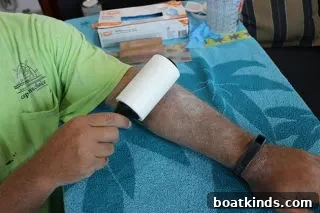
A quick trip to a hardware store, supermarket or big-box retailer for roller-style lint removers can change the whole cleanup routine. Lint rollers are designed to pick up hair, dust and small particles from fabric and skin, and they work surprisingly well on fiberglass dust. Using a fresh roller sheet while the fibers are still dry and loose makes it possible to remove a large percentage of the debris before stepping into the shower.
Step-by-Step Cleanup Using a Lint Roller
- Before you start work, put on appropriate personal protective equipment: eye protection, a tight-fitting respirator, long sleeves and gloves. This reduces the amount of dust that reaches your skin and slows down contamination.
- When the job is finished, resist the urge to head straight for the shower. While fibers are dry, they’re easier to pick up with adhesive sheets.
- Use a large lint roller on exposed skin — forearms, hands, neck and shoulders — rolling in one direction and replacing each adhesive sheet as it becomes clogged. Replace sheets promptly to keep pickup effective.
- Roll clothing and any exposed hair gently with the lint roller. For long hair, consider using a wide-tooth comb after rolling to lift trapped fibers carefully before washing.
- After removing as much debris as possible with the roller, take a warm shower. Use gentle soap and avoid vigorous scrubbing that could embed fibers deeper. Rinse thoroughly.
- Wash work clothes separately from other laundry, and vacuum work surfaces and vehicle seats to avoid recontamination.
Additional Tips and Precautions
Lint rollers are inexpensive and widely available, but keep a few extras on hand during larger jobs so you don’t have to reuse a clogged sheet. For heavy contamination, a disposable adhesive brush or specialized sticky mats can supplement rollers. Always dispose of used sheets and vacuum bags carefully to prevent fibers from spreading.
If your skin shows signs of a severe reaction — heavy blistering, persistent rash or swelling — stop self-treatment and consult a medical professional. While most fiberglass irritation is mechanical (tiny fibers irritating the skin), individuals can have different sensitivities.
Preventing the Problem in the First Place
The best way to avoid post-work itching is to reduce exposure from the start. Wear long sleeves, gloves and a good respirator; use containment and local exhaust ventilation when sanding or grinding; and clean up work areas promptly using a vacuum with a HEPA filter. When possible, perform dusty operations outside or in a well-ventilated workspace to limit airborne fibers inside the shop or boat cabin.
This lint-roller trick is a small change that makes a big difference. It’s quick, inexpensive and lets you rinse off clean rather than carrying fibers into the shower and onto towels. Try it on your next fiberglass repair — your skin will thank you.
This advice previously ran in Power & Motoryacht magazine.