
What we’re watching

Rodeo Riders
One of the clearest ways to evaluate how a boat handles rough seas is to watch it negotiate a difficult inlet. For anyone studying boat handling, heavy-weather behavior or the limits of different hull designs, Bakers Haulover Inlet in North Miami is a textbook example. The Wavy Boats YouTube channel captures that environment well, documenting moments when wind fights against a strong coastal current and creates chaotic conditions.
At Bakers Haulover, standing waves can build to several feet and currents can surge quickly, producing steep, breaking waves and powerful eddies that expose weaknesses in both vessel design and seamanship. Watching these videos reveals which boats maintain control, how trim and throttle adjustments affect stability, and how different hull shapes respond to oncoming waves. The footage is often intense—sometimes dangerous—but it is educational for owners, captains and anyone interested in practical demonstrations of boat handling under stress.
Beyond the spectacle, these clips are useful for learning risk recognition and prevention. They underline the importance of scouting unfamiliar inlets, checking wind and tidal-current forecasts, and matching vessel capability to conditions. For boaters preparing to transit challenging approaches, the channel provides real-world examples of what can go wrong and how experienced operators adapt. While videos are no substitute for hands-on training, they are a valuable visual supplement for developing situational awareness and better decision-making on the water.
More salty reads

You Can Do It Boats are mechanical and electrical systems wrapped in carpentry and canvas, and even small vessels have components that require periodic attention. Many boatowners find that tackling routine maintenance and repair projects themselves saves money and builds confidence. With the right reference books and a bit of patience, owners can learn to troubleshoot systems, perform proper upkeep and avoid common mistakes. Below are three well-regarded titles that cover mechanical, woodworking and electrical topics for boaters.
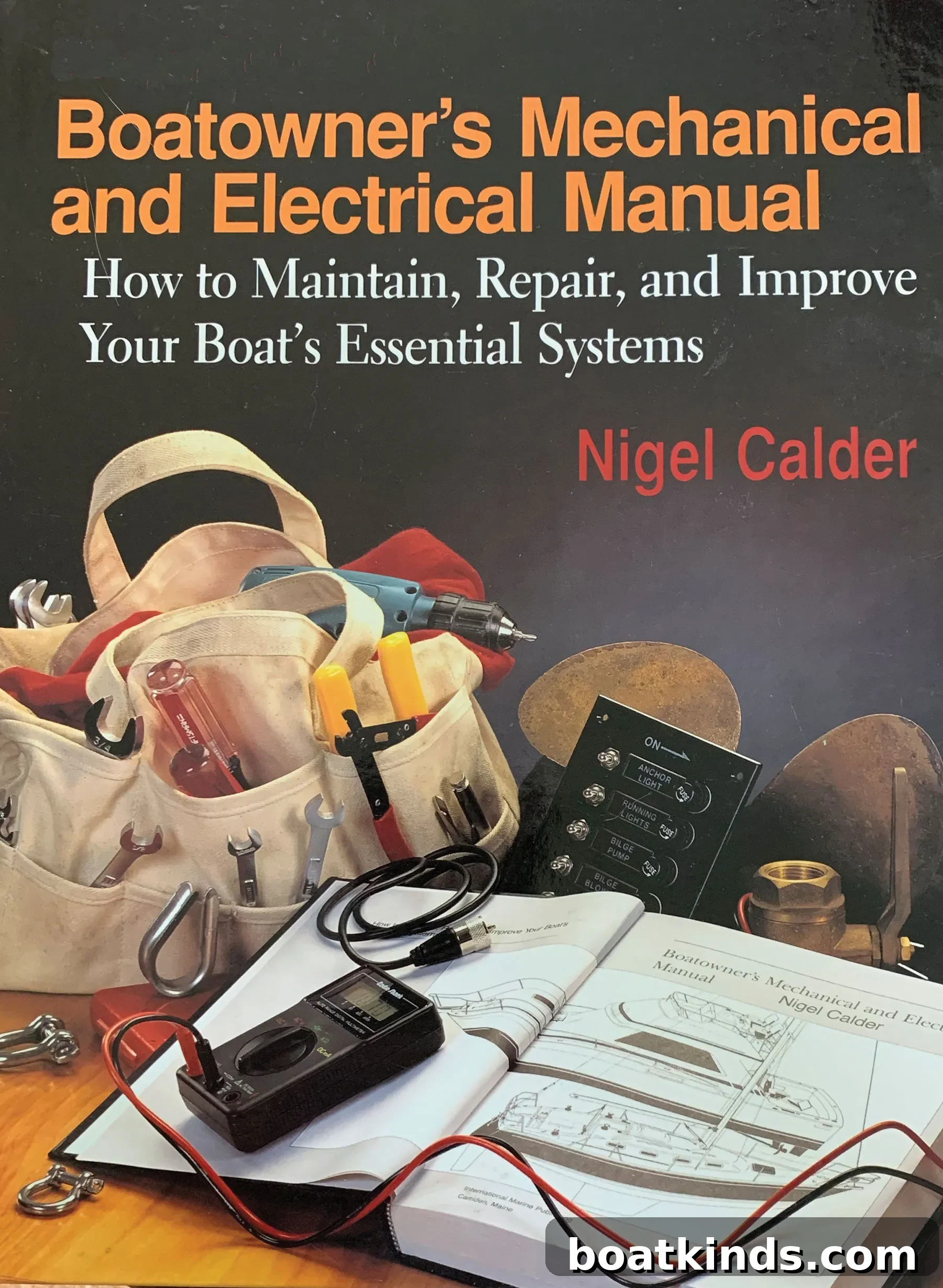
Boatowner’s Mechanical and Electrical Manual: How to Maintain, Repair and Improve Your Boat’s Essential Systems by Nigel Calder has long been regarded as a comprehensive reference for maintaining a wide range of systems aboard recreational boats. The fourth edition updates chapters on direct and alternating current systems, marine sanitation devices, plumbing, sailboat rigging, windlasses, marine engines, air conditioning and more. The book walks readers through practical tasks—changing an engine impeller, bleeding a diesel fuel system, rebuilding a marine head, rewiring basic circuits—using clear, procedural text and helpful diagrams. It’s aimed at owners who want a thorough manual they can rely on when performing maintenance or planning upgrades. ($60, International Marine)
Brightwork: The Art of Finishing Wood by Rebecca J. Wittman focuses on the finish work that makes traditional boats visually striking. For owners of teak, mahogany and other marine hardwoods, the book demystifies varnishing, oiling and sealing processes. It covers the history and chemistry of marine finishes, selection and mixing of thinners and additives, proper surface preparation, brush and tool maintenance, and techniques for achieving a smooth, durable gloss. Although the book is currently out of print, used copies are often available through resellers. For anyone aiming to preserve or restore exterior woodwork, it’s a practical guide to achieving professional-looking results while understanding the trade-offs of different coatings and maintenance intervals.
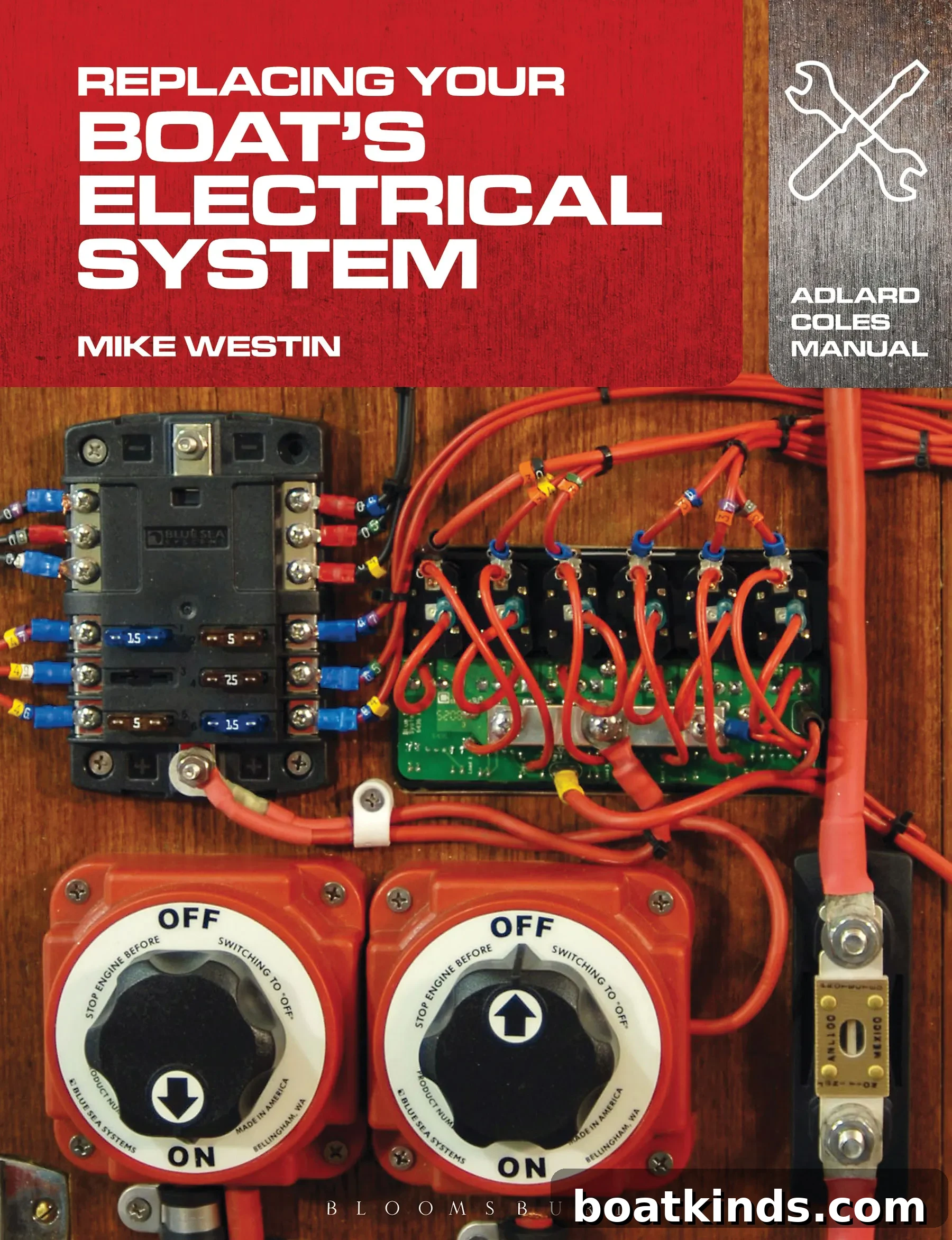
Replacing Your Boat’s Electrical System by Mike Westin is a focused, illustrated guide for owners who want to bring order and safety to an onboard electrical system. Over time, boats often accumulate added devices and improvised wiring that can compromise reliability and safety. Westin’s book explains both direct and alternating current systems in accessible terms and includes step-by-step instructions and diagrams for common electrical projects, from upgrading battery banks and installing proper grounding to reorganizing panel layouts and selecting correct wire and protection. It’s particularly useful for owners who plan to perform rewiring or system improvements themselves and want to do the job methodically and safely. ($30, Adlard Coles)
When tackling DIY repairs, start with good documentation and the right tools, and know when a job requires a professional. These books are strong starting points for building skills in mechanical systems, woodworking and marine electrical work. Combined with common-sense safety practices and periodic professional inspections, a do-it-yourself approach can keep a boat reliable and rewarding to own.