
Michael Cevoli: Documentary Photographer of New England’s Working Waterfront
Michael Cevoli documents the people and places of New England’s maritime life with a steady, observant eye. Whether he’s shooting portraits of commercial fishermen, tugboat pilots, boatbuilders or Mainers digging seaworms up to their elbows in soft mud, his photographs aim to record honest moments rather than stylized scenes. He photographs quahoggers, gillnetters, dragger crews, fly fishermen, war veterans, charter captains and old salts whose weathered faces still reveal the stories of a life on the water.
“The first photographers I looked at were street and documentary photographers,” Cevoli says. At 41, he lives in Warren, Rhode Island, a short walk from the water. His apartment is bright and filled with photographs and maritime artifacts—a clam rake, a rod and reel, a bleached cow skull, and a small oil painting of a dragger passed down from his grandfather. A large framed photo of a commercial conch boat from his first marine editorial hangs in one bedroom.
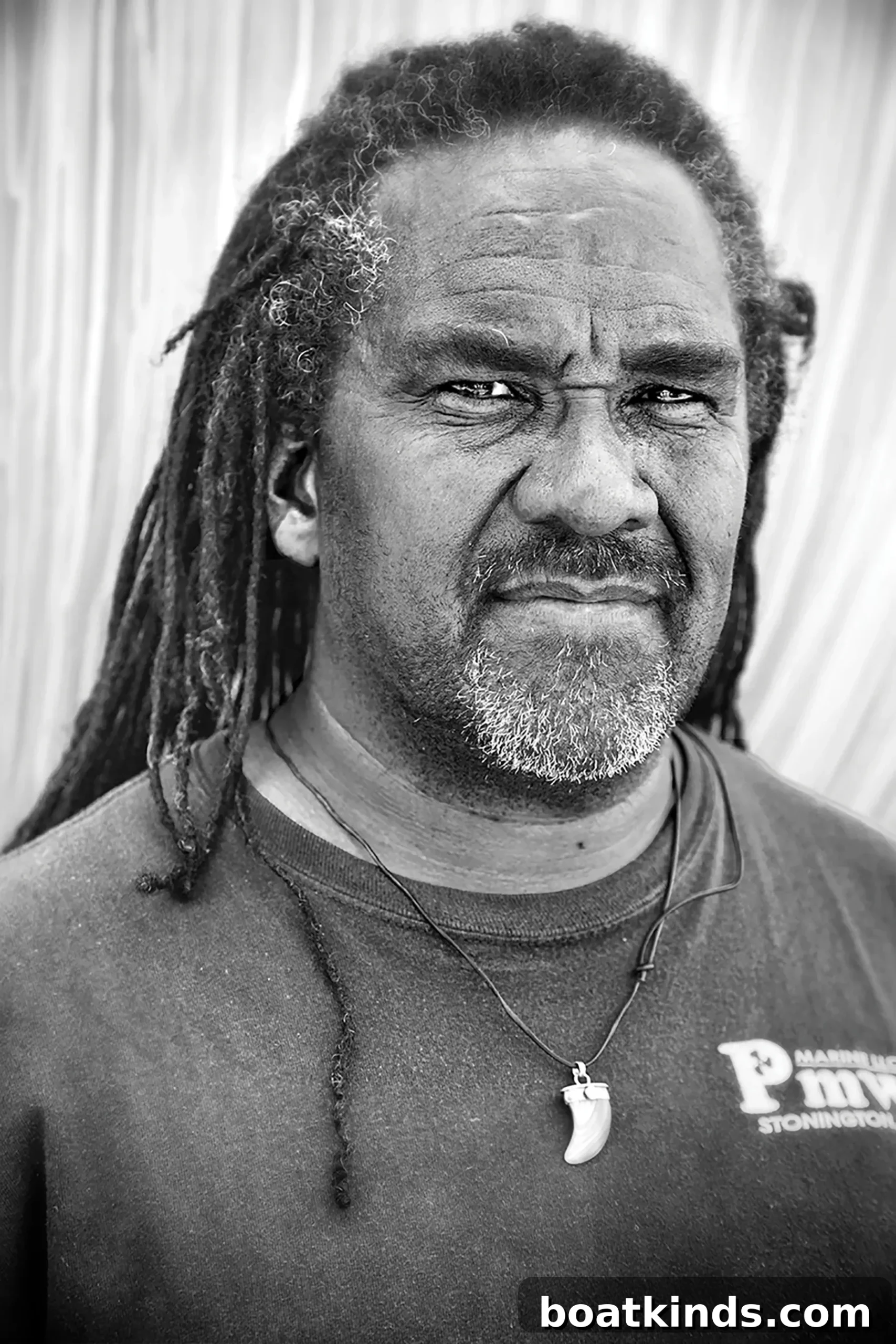
Cevoli’s work has appeared in publications such as Soundings, and he photographs both pleasure craft and commercial vessels. He shoots primarily with a Canon 5D Mark III and regularly photographs builds and launches for Blount Boats in Warren—covering projects from raw materials to christening and trials months later. “It’s interesting to see the process, starting with the raw materials and then—8, 10, 12 months later—they’re smashing a champagne bottle against the hull,” he says.
Cevoli grew up in Norfolk, Massachusetts, in a creative family. His father, Victor, studied at the Art Institute of Boston and had a long career in advertising; his mother Patricia taught art in Boston area schools. His sister Kim is a graphic designer. As a teenager he and his father converted a basement shop into a darkroom, salvaging equipment from an abandoned school darkroom with the encouragement of a supportive principal. “After school I’d skateboard and play baseball, but on the weekends I’d take a ton of pictures and then develop and print in my little darkroom,” he recalls.
Early subjects included abandoned mills and junkyards—remnants of a New England landscape that was changing. He took Saturday classes at the Art Institute of Boston and later earned both undergraduate and master’s degrees from the Rhode Island School of Design (RISD).
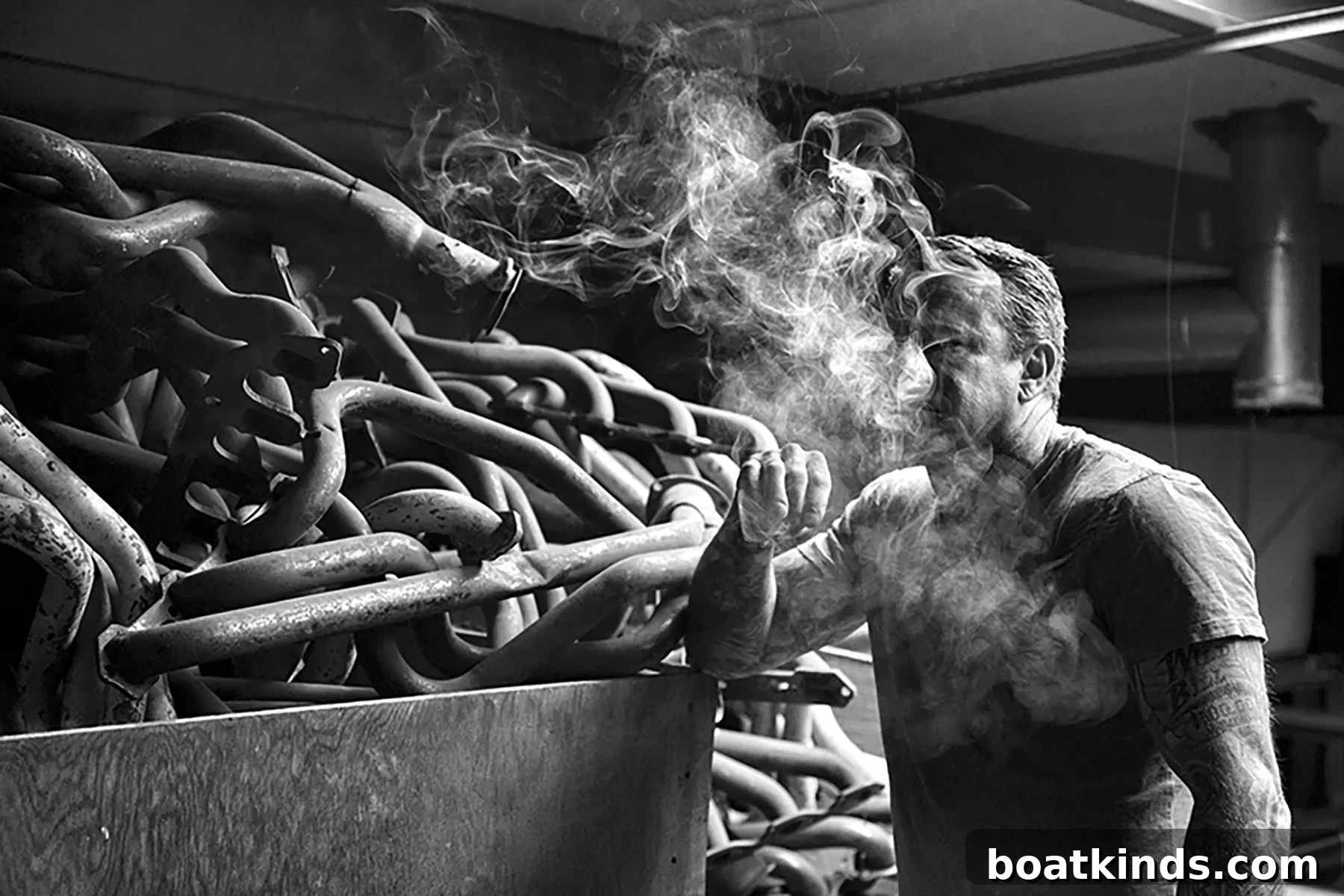
Cevoli is naturally drawn to working-class subjects—blue-collar men and women whose livelihoods revolve around physical labor and the sea. Before becoming a full-time photographer he worked many jobs: roofer, house painter, scrap-metal collector, boatbuilder, bouncer, photo assistant, and teacher. Those experiences inform his ability to move comfortably within the communities he photographs.
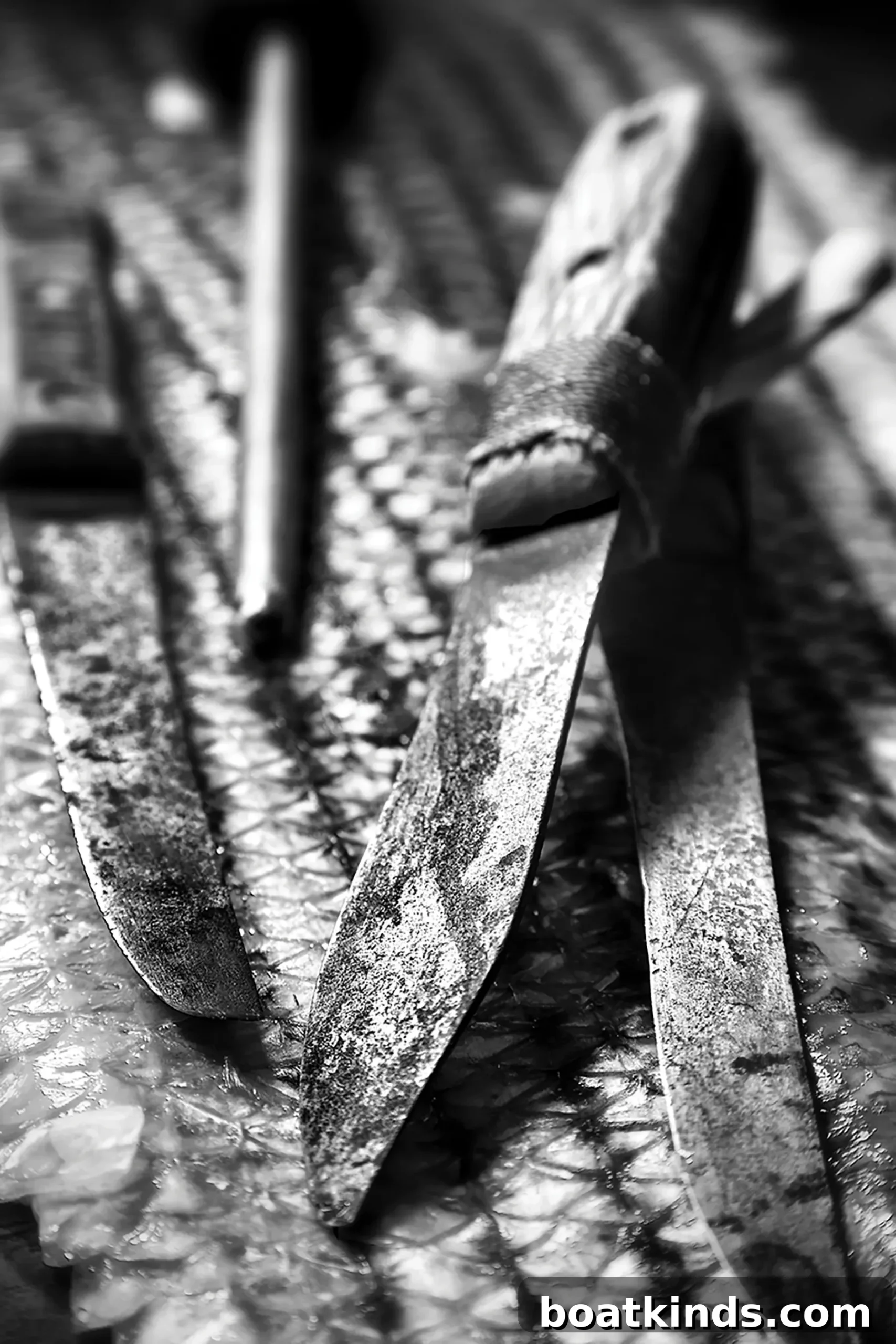
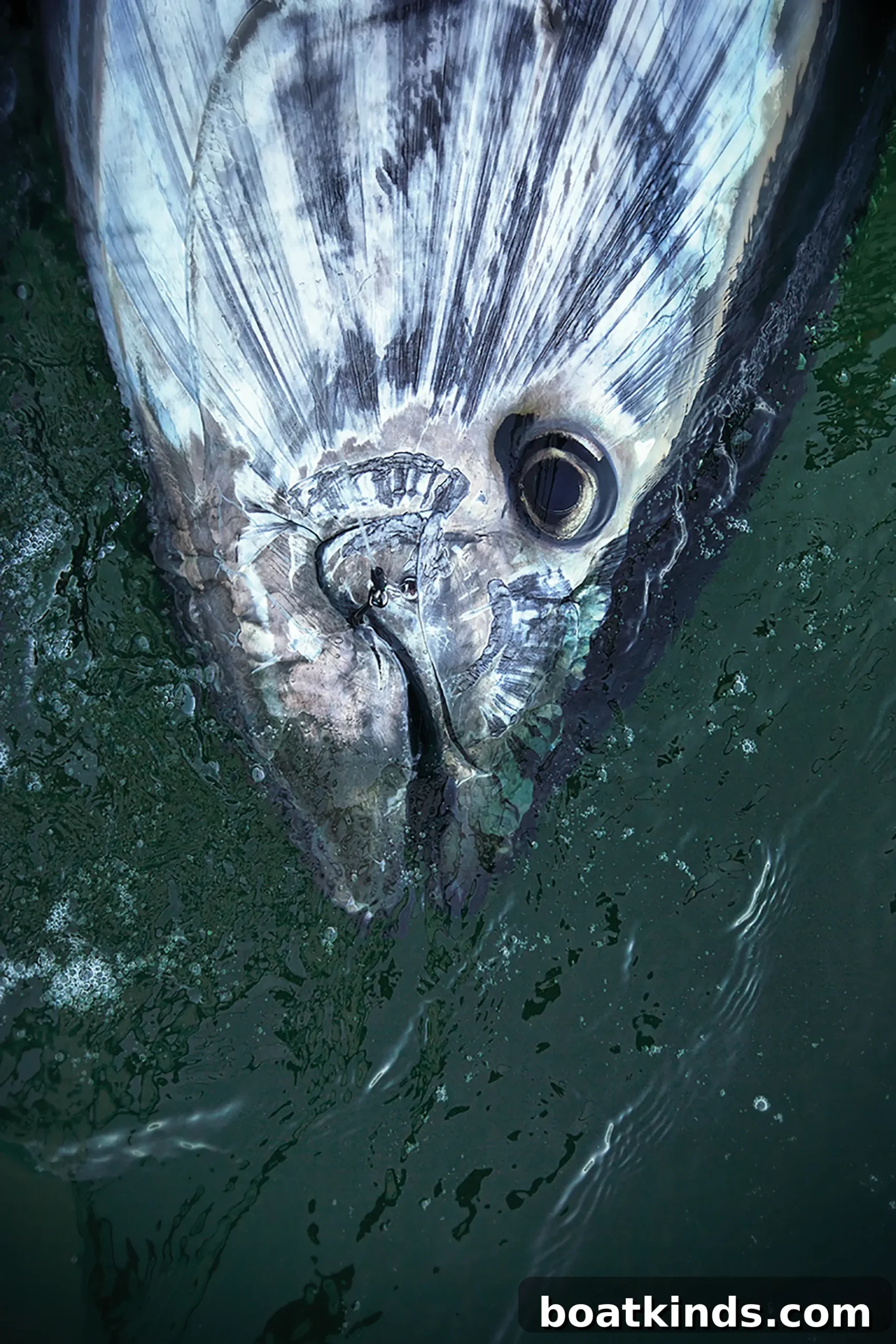
He approaches documentary work with humility and respect. “You’re always walking that fine line between taking a picture and exploiting the subject,” he says. His quiet, unobtrusive presence helps people relax and show themselves honestly. That sensitivity and patience have opened doors: while scouting for an Anglers Journal story on giant bluefin tuna, he stayed in Maine to explore another assignment—profiling the hard-to-find tidal-flat diggers who earn their wages by the worm. In Newcastle he met Millard Hassan, a former worm digger who still made worm hoes in a backyard repair shop. Even cautious subjects eventually trusted Cevoli’s steadiness.
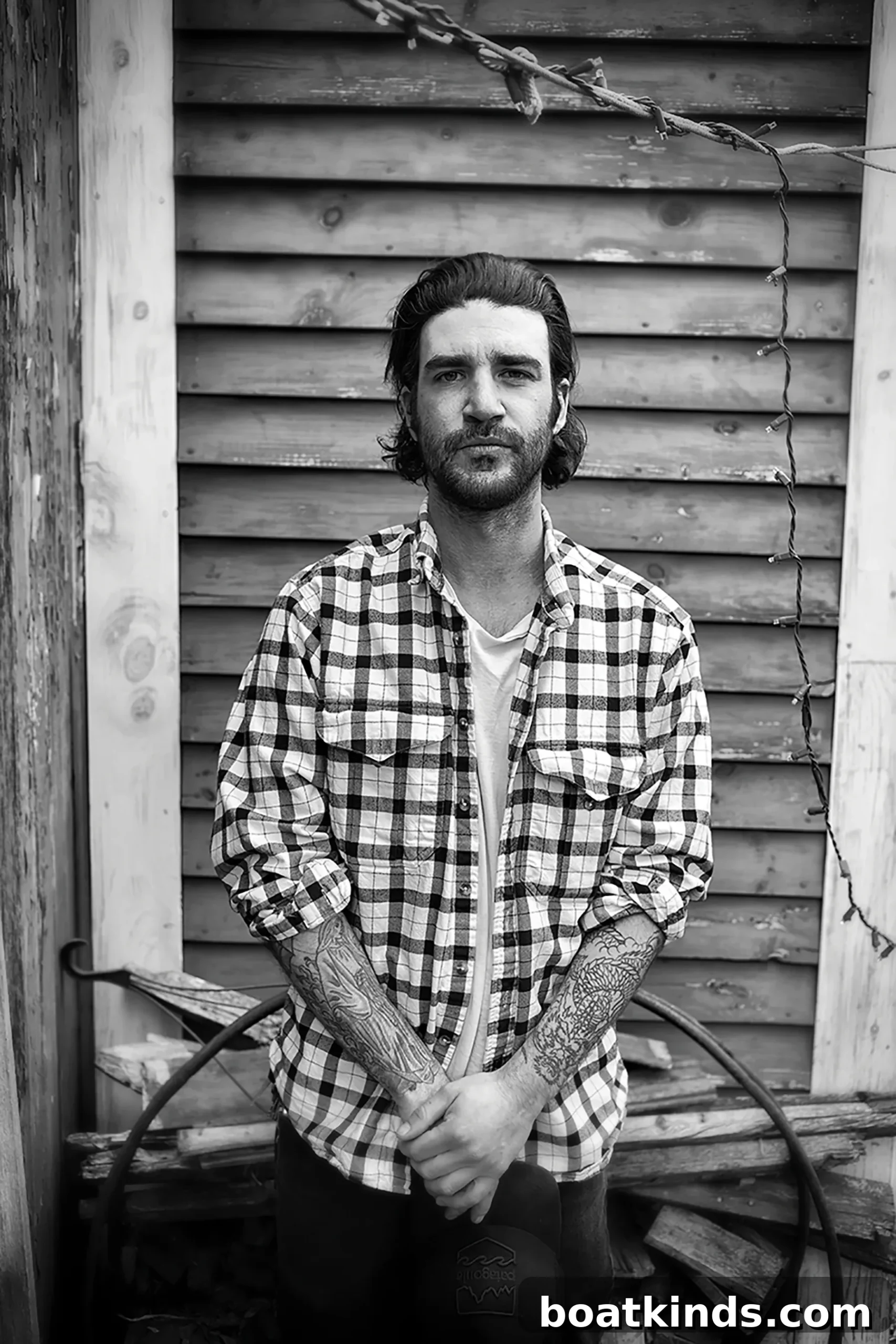
Cevoli blends into the environments he photographs. He keeps a low profile, moves quietly and lets moments play out. Like many of his subjects, he has nautical tattoos—two full sleeves and chest work featuring boats, birds, anchors and octopus designs. Some pieces were done by the late Rhode Island tattooist Mondo, an influential local artist.
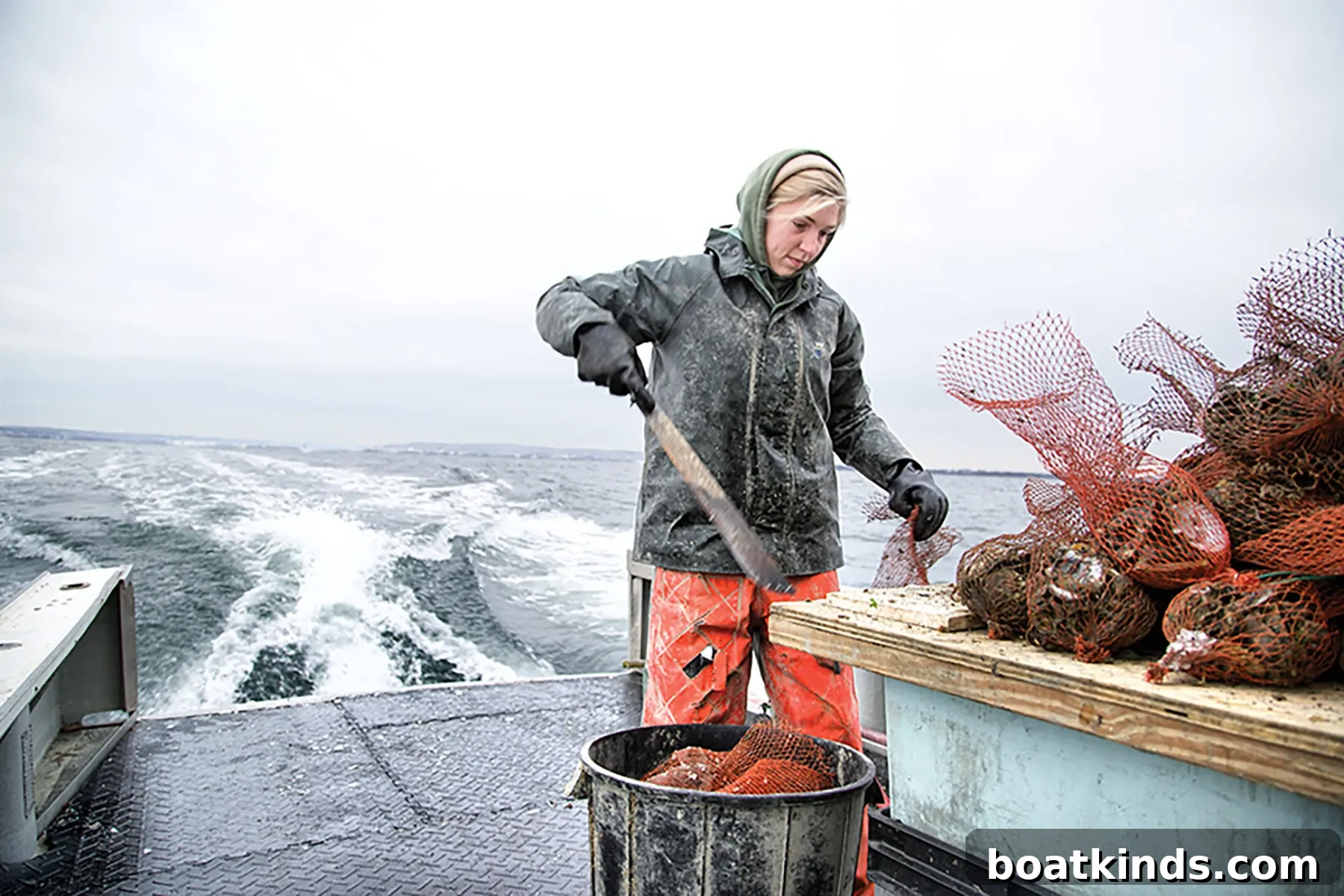
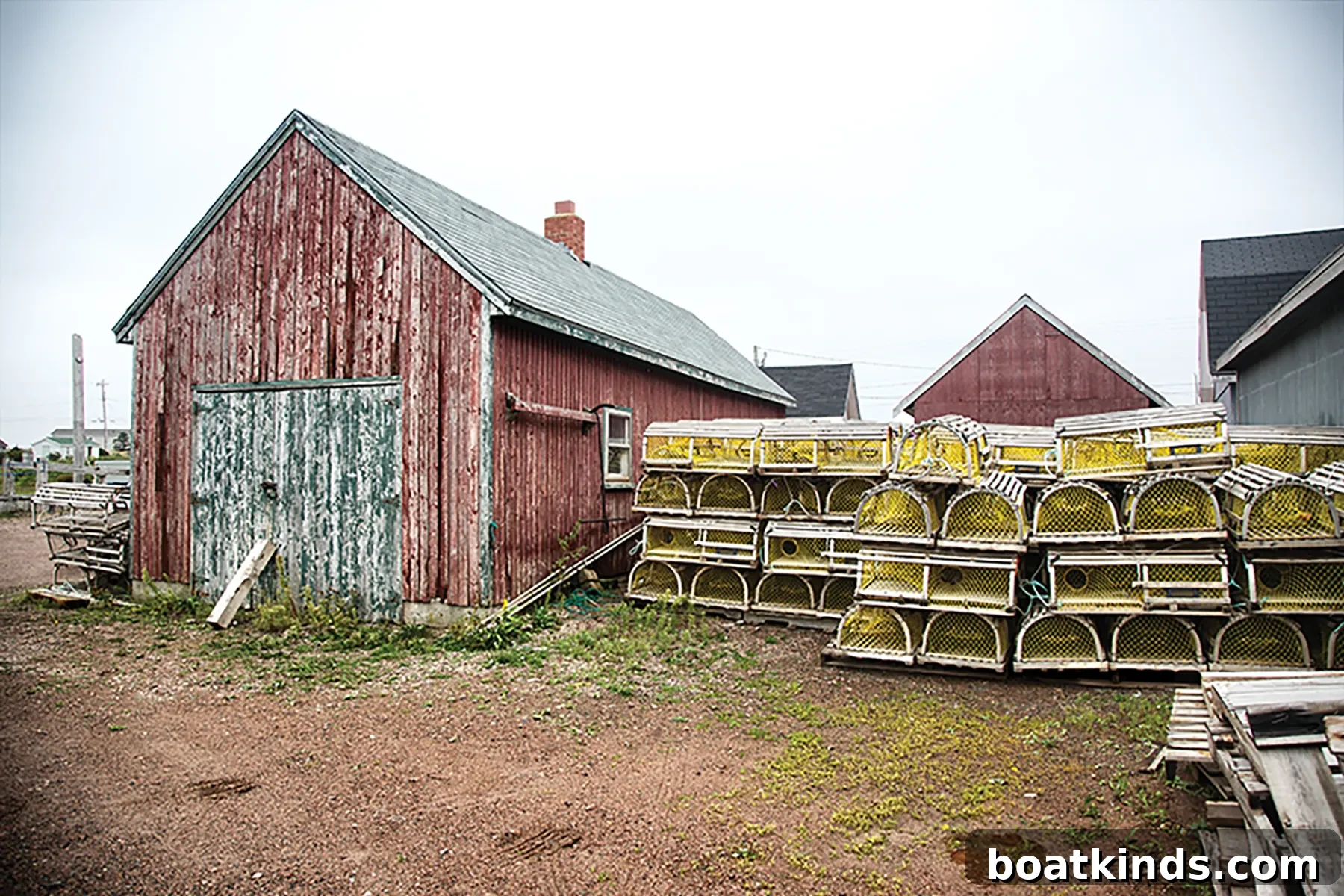
While in graduate school he took a course on commercial fishing taught by a former Alaskan crab fisherman who became a professor. That connection led to a residency at the New Bedford Whaling Museum, where Cevoli photographed fish houses and commercial boats in a port he describes as rough and tight-knit. Long hours and persistence helped him become a familiar presence on those docks, making subjects more comfortable over time.
Like many working photographers, Cevoli paid his dues. “I remember my first editorial job—I didn’t even have a digital camera,” he says. He borrowed gear to shoot an assignment at Johnston’s landfill, known locally as Trash Mountain. That first job led to another: a commercial fishing shoot in winter that other photographers had avoided. That willingness to take unconventional jobs helped launch his maritime photography career.
One memorable early editorial image shows the interior of a small conch-fishing cabin seen through two salt-splattered windows. A heater glows orange, a woman in green oilskins works on the open transom, and the boat leaves a cold wake beneath low clouds. These kinds of documentary scenes—the ordinary, difficult, intimate moments at sea—define Cevoli’s work.
Cevoli’s regular clients include a marine construction company with a tug and large crane barges, projects that match his interest in industrial waterfront work. His career has also been shaped by personal struggle. In 2015 he was diagnosed with Hodgkin’s lymphoma and endured surgeries, ICU care, chemotherapy and radiation. One chest tumor the size of a grapefruit had collapsed his left lung. “It was very touch and go,” he says. He recovered and reached five years cancer-free in July 2021.
After recovering, Cevoli gravitated to the uncomplicated company of friends and the familiar faces of the waterfront—people who understood hardship and didn’t require explanations. Those who have followed his work say his portraits have shifted since his illness; they feel more empathetic and compassionate. “I think I was always empathetic before, but it’s changed quite a bit,” he reflects.
Today Cevoli continues to record maritime life with a documentarian’s patience: photographing boats as well as the people who build, work on and live by them. His images preserve the grit, skill and quiet dignity of New England’s working waterfront.
This article was originally published in the May 2023 issue.