
Two Right Whales Found Severely Entangled: One Calf Likely Fatally Injured
Two separate entanglement incidents involving North Atlantic right whales have raised urgent conservation concerns. On October 11, a whale-watching vessel reported a four-year-old male right whale entangled and visibly injured off Sea Bright, New Jersey. Researchers later confirmed that the whale was identified as #4680, the young calf of 19-year-old female Dragon (#3180). Dragon had been observed earlier in February off Nantucket with a buoy lodged in her mouth and was last seen entangled; she is now presumed dead. NOAA is developing a plan to attempt to disentangle the calf, although responders warn his injuries may be fatal and he has not been seen since the initial sighting.
Second Incident Near Nantucket
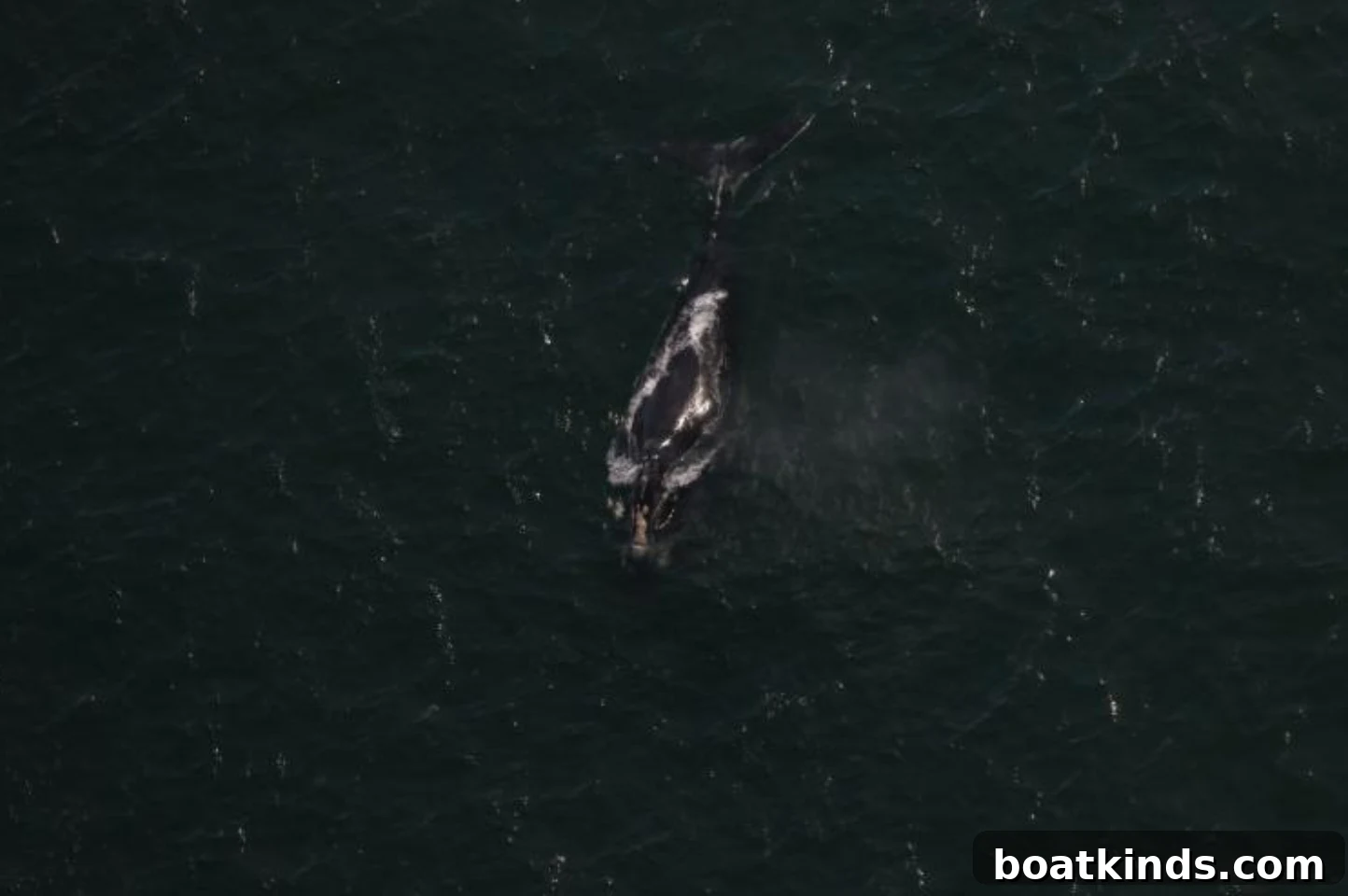
On October 19, responders documented a separate entanglement: an 11-year-old male right whale known as Cottontail was spotted with a line wrapped tightly around his head during an aerial survey off Nantucket, Massachusetts. The Marine Entanglement Response Team (MERT) intervened to remove some of the entangling gear and attached a satellite tracking buoy to the whale to monitor his movements and facilitate follow-up efforts. The International Fund for Animal Welfare (IFAW) has been asked to provide veterinary and biologist support as part of the ongoing disentanglement operation.
Why Entanglement Is a Critical Threat
Entanglement in fishing gear and debris is one of the leading human-caused threats to North Atlantic right whales. When lines, ropes, or buoys become wrapped around a whale’s body, flippers, tail, or head, they can cause deep tissue injuries, impaired mobility, reduced feeding efficiency, and chronic stress. Repeated injuries can affect a whale’s ability to survive, reproduce, and care for offspring. The recent cases of a mother and her calf both suffering severe entanglement highlight how entire family lines can be put at risk, compounding conservation challenges for this endangered species.
Response and Monitoring Efforts
Marine response teams use a combination of aerial surveys, vessel-based approaches, and specialized disentanglement crews to assess and respond to entanglements. In Cottontail’s case, attaching a satellite tracking buoy enables teams to follow the whale’s location remotely, facilitating future attempts to remove remaining gear and to mobilize veterinary support when conditions and safety allow. NOAA and partner organizations coordinate these efforts, weighing the whale’s condition, weather, sea state, and the safety of responders before attempting high-risk disentanglement operations.
Policy and Funding Needs
Beyond immediate rescue and monitoring, conservationists emphasize the need for long-term solutions to reduce entanglement risk. The Humane Society of the United States is urging Congress to pass the SAVE Right Whales Act, legislation that would authorize $5 million per year for the next decade to support research into fishing and shipping technologies that are safer for right whales. These funds would be intended to advance innovations in gear design, ropeless fishing systems, and other strategies that can lower the chances of whales becoming entangled while maintaining sustainable fisheries and safe navigation.
What This Means for Conservation
The recent entanglements—affecting both a young calf and an older male—underscore the fragile status of the North Atlantic right whale population and the cumulative toll of human activities. Continued monitoring, rapid response capability, and targeted research into practical mitigation measures are all essential to reduce future injuries and fatalities. While disentanglement teams and veterinarians work to save individual animals whenever possible, broader policy actions and industry collaboration are needed to prevent entanglements before they occur and to give this critically endangered species a better chance to recover.
Authorities and conservation organizations remain engaged in both immediate response efforts and in advocating for sustained research funding and regulatory measures aimed at reducing the primary threats to right whales, including entanglement and vessel strikes.