
Kristen Neuschafer Wins Golden Globe Race After 235 Days at Sea
After 235 days alone at sea, Kristen Neuschafer sailed into the French port of Les Sables-d’Olonne to claim first place in the Golden Globe Race. Her arrival marked the end of a long and demanding solo circumnavigation that tested seamanship, endurance and resolve. Neuschafer’s victory stands out not only for the length of the voyage but for the determination and skill required to complete such an arduous challenge without outside assistance.
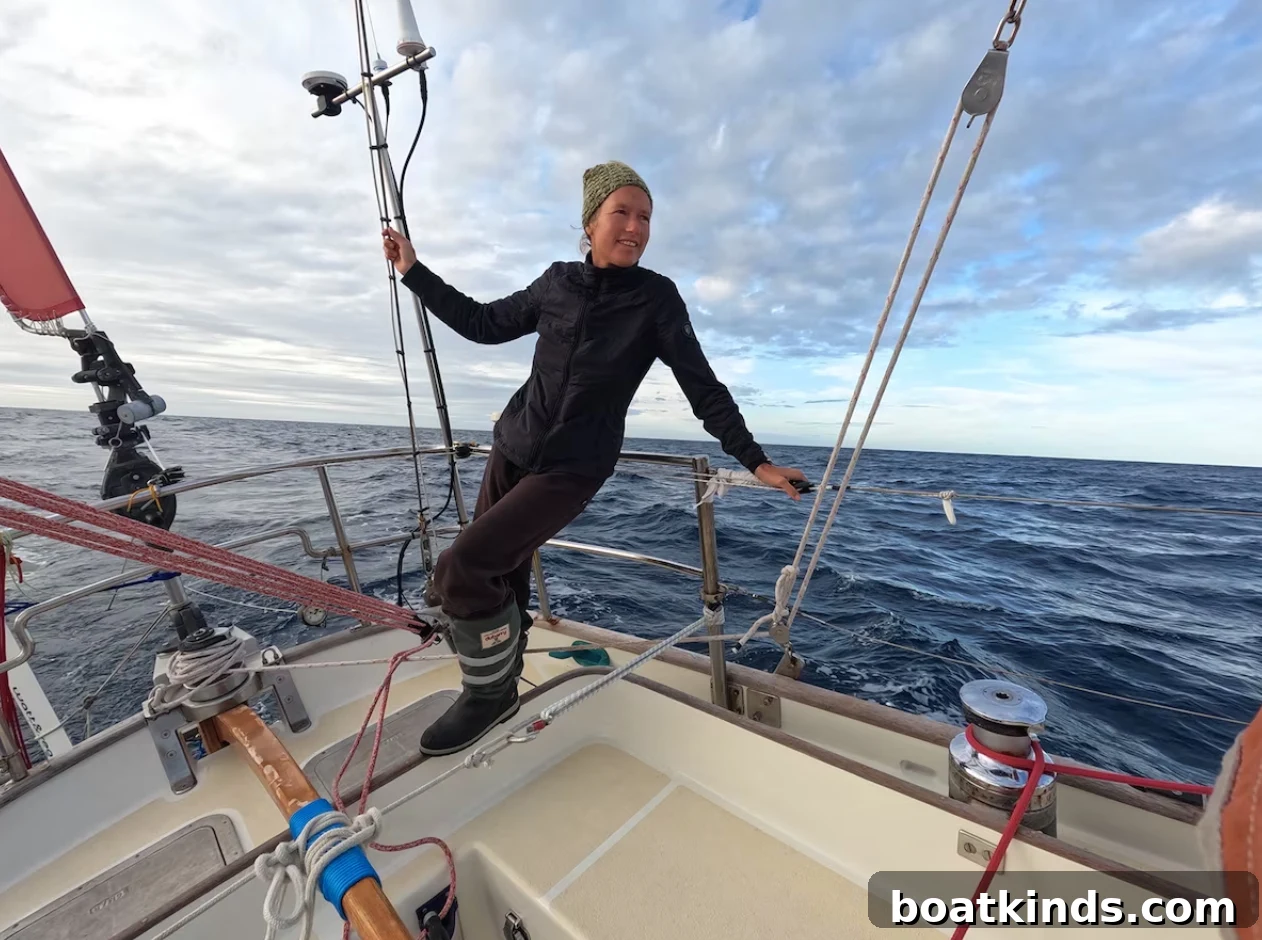
Neuschafer has long had a taste for adventure. As a teenager she left home to travel by bicycle across continents, cycling from Arctic regions to Africa. Those early journeys of self-reliance and exploration shaped the instincts and resourcefulness she relied on during her solo circumnavigation. Deciding to sail around the world alone was a natural continuation of a life lived seeking challenges and personal growth through travel and endurance.
The Golden Globe Race is renowned for demanding traditional seamanship: competitors navigate long ocean passages with limited technology, relying on basic instruments and hard-won skill. A solo circumnavigation of this nature demands meticulous preparation before departure and constant problem-solving at sea. Competitors must manage weather systems, maintain sails and rigging, cope with mechanical and equipment failures, and make complex navigation decisions—often under sleep deprivation and intense physical strain.
Beyond the technical demands, the psychological challenge of months-long solitude is enormous. Day after day at sea, sailors face long stretches of isolation, where mood, focus, and routine determine survival as much as seamanship. Competitors develop strategies to maintain alertness and motivation: structured watch systems, careful rationing of food and resources, and routines that balance rest with necessary maintenance and sail trim. For Neuschafer, the combination of prior long-distance travel experience and determination helped her manage both the physical and mental demands of the race.
Completing the Golden Globe Race also requires a strong foundation in traditional navigation, emergency repair skills, and the ability to make quick, independent decisions in rapidly changing conditions. Sailors must be prepared to jury-rig systems, perform repairs below deck, and adjust sails and course to ride out severe weather. The sea is unforgiving, and finishing first is a measure of consistent performance across every sector of seamanship, endurance and strategy.
Neuschafer’s arrival in Les Sables-d’Olonne drew attention not only for its athletic achievement but for the personal journey it represents. Her path from long-distance bicycle travel to solo ocean sailing highlights a larger narrative: a commitment to exploration and a willingness to embrace risk in pursuit of experience and accomplishment. Her story resonates with anyone who values self-reliance and the rewards that come from pushing personal boundaries.
Media profiles and public reaction to the finish reflect a growing appreciation for the unique demands of traditional ocean racing. Coverage has emphasized the human aspect of these voyages—how sailors cope with fear, fatigue and isolation while remaining attentive to the boat and the sea. Neuschafer’s achievement joins a long lineage of circumnavigators whose stories illuminate the persistent allure of the ocean and the timeless skills required to cross it alone.
This victory will likely inspire others who dream of long-distance sailing or other endurance challenges. Her achievement underscores that success in extreme undertakings combines preparation, adaptability and a steady willingness to face hardship day after day. For readers who want a deeper portrait of Kristen Neuschafer and the voyage that brought her to Les Sables-d’Olonne, read more in this exceptional profile from the Washington Post.