Voyaging Couple Helps Cruisers Gain Knowledge and Confidence to Expand Their Horizons
John Harries and Phyllis Nickel prefer to call their work and lifestyle “voyaging” rather than “cruising.” To them, the word cruising suggests aimless wandering, while voyaging implies purpose, preparation and intentional exploration. Over 15 years together at sea, they have focused less on merely logging miles and more on visiting remote, rugged places and sharing what they learn with others who dream of offshore adventure.
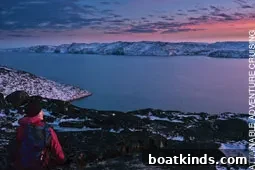
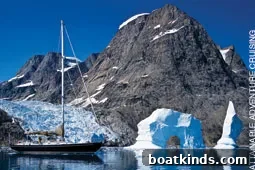
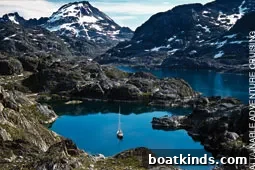
Their boat, Morgan’s Cloud, is a custom 56-foot McCurdy & Rhodes aluminum cutter named after a daytime cloud that forms over Bermuda. Harries, originally from Bermuda and now a Canadian resident, and Nickel, who grew up on the Canadian prairies, have used that vessel to explore an extraordinary swath of northern waters—from Maine and Nova Scotia to Labrador and Newfoundland, across the North Atlantic to Greenland, Iceland, Scotland, Ireland and Norway, and north to Svalbard.
Purposeful Voyaging and Historical Connection
What distinguishes Harries and Nickel is their attention to place and history. They anchor their voyages in research about the regions they visit, tracing the routes and stories of earlier Arctic explorers. Nickel, a history enthusiast, finds that learning about the perilous expeditions of the past deepens the experience: anchoring in a fjord where a 19th-century Danish naval officer once wintered, for example, brings history to life and creates a meaningful connection to the landscape and its people.
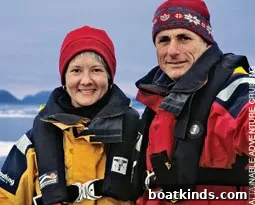
A Practical Resource: Attainable Adventure Cruising
Harries and Nickel channel their experience into a comprehensive online resource called Attainable Adventure Cruising. The site is both a showcase of their voyages—complete with photography—and a forum where aspiring voyagers can ask practical questions and get answers from seasoned cruisers. The site’s goal is straightforward: to make offshore voyaging attainable for competent, well-prepared people by reducing avoidable misadventures through solid information.
The site features how-to articles, trip accounts, and a lively Q&A section. Harries, who has logged more than 100,000 cruising miles, writes detailed posts about seamanship, gear, navigation and voyage planning. Nickel and contributor Colin Speedie add additional perspectives. Reader comments—often numbering 10 to 30 on practical posts—supplement the authors’ advice, creating a diverse, experience-based knowledge base.
Hands-On Experience and Realistic Preparation
Harries emphasizes that proper preparation and experience are the keys to safe, enjoyable offshore voyaging. He counsels would-be voyagers to gain significant time at sea with other crews before attempting independent offshore passages. For him, offshore competence was built through 15,000 miles as a crewman and many passages to and from Bermuda before skippering his own boat. He also recommends constructive, intensive sailing experiences—racing included—to sharpen boat handling and decision-making.
Choosing the Right Boat and Gear
Choosing an appropriate boat, engine and systems matters as much as training. Harries advises buying a boat designed by a naval architect who understands voyaging needs instead of a design driven by marketing or interior space. He warns against beamy boats with fine bows that prioritize interior volume over seakeeping. For cold northern latitudes he appreciates aluminum hulls for strength; for offshore passages he respects well-proven builders and designs such as centerboarders and robust voyaging hulls.
Practical gear choices are equally important. Harries prefers simple, reliable systems: slow-revving, high-torque diesel engines; straightforward reefing systems; and a conservative approach to electronics. He insists on redundant navigation—paper charts and GPS backup—for cases when chartplotters or complex electronics fail. He is candid about gear reliability: experience has taught him many factory-installed items need modification or replacement to meet real-world demands.
Two recurring sections on their website—”Stuff That Works” and “Gear Failures and Fixes”—share hard-earned lessons on equipment performance, troubleshooting and manufacturer responses. Harries encourages thorough sea trials and progressive short cruises to expose deficiencies and allow owners to fix problems and build competence before committing to a long voyage.
Overcoming Fear and Making Voyaging Attainable
Harries and Nickel are candid about fear and anxiety. They don’t present themselves as fearless adventurers. Instead, they model a step-by-step approach: acquire knowledge, gain experience, trial gear and boats in incremental stages, and rely on careful planning and seamanship. Harries stresses that voyaging to extreme latitudes requires advanced skills and experience—what he calls a “doctoral thesis” in cruising—not casual preparation.
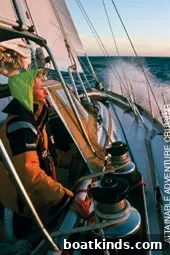
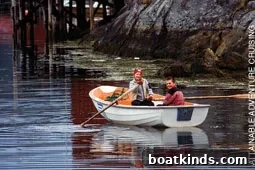
Nickel, an occupational therapist, found her love of sailing after agreeing to help deliver Morgan’s Cloud from Bermuda to Maine. That initial five-day trip led to a deeper passion for life at sea and a long-term partnership with Harries. The couple lives aboard year-round, keeping a waterside cabin in Nova Scotia as a seasonal base. They continue to explore both familiar northern waters and more temperate destinations, taking time to stop and fully experience places along the way.
Continuing Work and Outreach
Harries and Nickel spend 20 to 30 hours a week maintaining their site and editing the Norwegian Cruising Guide. They also do consulting to help sailors outfit boats and plan training. Their efforts earned them the Cruising Club of America’s Far Horizons award in 2008 for extensive voyaging, including multiple Greenland expeditions, circumnavigations of Newfoundland, and trans-Atlantic passages via Iceland.
For people who aspire to voyaging, their message is practical and encouraging: prepare thoroughly, gain experience incrementally, choose sensible equipment and boats, and learn traditional seamanship alongside modern tools. Their resources—attainable adventure advice, trip reports and equipment lessons—make northern voyaging and other offshore aspirations more realistic for competent, determined sailors.
Learn more at the websites: www.morganscloud.com, www.johnharriesphotography.com and www.norwegiancruisingguide.com. This article originally appeared in the February 2011 issue.