
Atlantic Rally for Cruisers (ARC) Sets Sail from Las Palmas to St. Lucia
Sunday marked the start of the renowned Atlantic Rally for Cruisers (ARC), organized by the World Cruising Club. The rally brings together a diverse international fleet for a classic trans-Atlantic passage, combining serious offshore sailing with a strong cruising and community spirit.
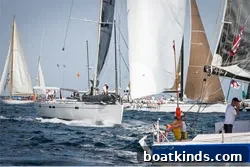
The fleet will cross from Las Palmas de Gran Canaria in the Canary Islands to the Caribbean island of St. Lucia, covering approximately 2,700 nautical miles. The chosen northeast tradewinds route generally allows well-prepared yachts to complete the crossing in roughly 14 to 21 days, depending on weather, boat type, and crew preferences. For many participants the ARC is both a test of seamanship and an opportunity to enjoy extended blue-water sailing under steady trade wind conditions.
The official entry list features 230 boats representing 30 countries. Most boats are sailed by families and groups of friends, many of whom view the rally as the adventure of a lifetime. Crews range from short-handed couples to larger family teams, and the event is known for its welcoming atmosphere, informal social calendar, and emphasis on safety and offshore preparation.
Among the fleet, Swan yachts are notably well represented. Nineteen Swans of various sizes are taking part, from the Swan 40 Storm Svale up to the Swan 80 Berenice. These entries illustrate the wide appeal of high-quality cruising yachts for extended passages: boats chosen for a combination of comfortable accommodation, strong construction, and competitive performance when conditions allow.
ClubSwan member Manfred Kerstan will be participating in the 2012 edition of the ARC aboard his Swan 62 Albatros. This outing marks his 18th ARC; his first trans-Atlantic crossing took place in 1986. Kerstan shared his enthusiasm for the event: “I am especially looking forward to this event as I have won it three times already,” he said. “Now I want to be the first man to sail in 20 ARCs, as I plan to do about another five or six years.” His long history with the rally highlights the strong traditions and lasting friendships that the ARC fosters among repeat participants.
Preparation for a trans-Atlantic rally like the ARC typically includes thorough checks of safety equipment, routine maintenance to ensure reliability at sea, and briefings on weather routing and communication procedures. While this article does not list specific preparation steps for individual skippers, the event organizers provide guidance and required documentation to ensure compliance with safety standards and to support a safe and enjoyable crossing for all crews.
For those who wish to follow the fleet during the crossing, the World Cruising Club maintains event resources and a fleet viewer for updates and tracking. Race and rally tracking systems commonly used in offshore events provide position reports, standings, and occasional updates from participants, offering friends, family, and fans a way to monitor progress across the Atlantic without adding any external links here.
The ARC remains a unique blend of serious offshore sailing and cruising camaraderie. With a large multicultural fleet, a broad range of yacht types, and experienced skippers alongside newer sailors, the rally continues to be a highlight for the blue-water cruising community. From the sheltered departure in Las Palmas to the tropical arrival in St. Lucia, crews will be challenged by planning, navigation, and changing conditions while rewarded with open-ocean sailing and the shared achievement of a trans-Atlantic passage.