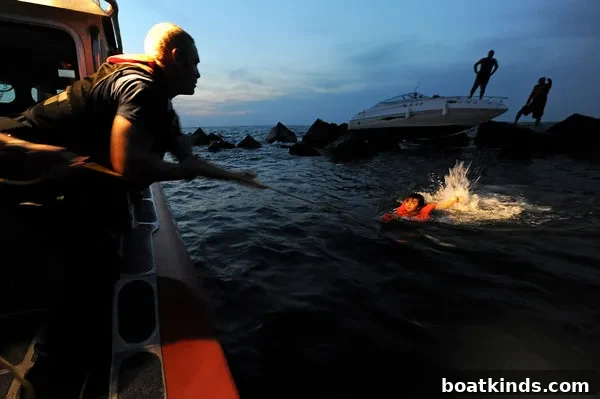
By the time we found their 23-foot center console, the husband and wife were huddled together against the port gunwale and unable to reach the VHF radio. The boat was aground on a remote outer island of Virginia’s Eastern Shore, just north of the entrance to the Chesapeake Bay. The flight mechanic hoisted me down to the beach, and I walked to their Boston Whaler and stepped aboard. “Is everyone alright?”
They couldn’t talk. In fact, both were barely able to shiver. Sliding down the bad side of hypothermia, the couple wore soaking wet shorts and light jackets. The two of them would not have made it until dawn without a rescue.
When they left the marina for a few hours of fishing, it was 78 and sunny. They had planned to be back well before nightfall—long before temperatures dropped into the 40s and the rain started.
We got them to the hospital where they made a full recovery. They were grateful. As I left the emergency room I couldn’t help but whisper in the husband’s ear, “Next time, pack a sweater and some rain gear. We could have dropped you at your car.”
Weather on the water can change fast. It doesn’t matter how warm and calm it is when you leave the dock—you must be prepared for an overnighter, and that means preparing for cold, wet, and uncomfortable conditions that can become life-threatening. In late September through October, beautiful days can turn quickly into frigid nights. Your safety and survival kit should include clothing designed to retain warmth and shed moisture. Below are practical recommendations for what to keep aboard, how to store it, and why these simple items can be the difference between an uncomfortable delay and a deadly outcome.
Layers — Synthetics Only
Cotton retains moisture and loses insulating value when wet. For survival situations, the rule is simple: avoid cotton. Pack two layers of synthetic tops. A lightweight, long-john style base layer wicks moisture away from the skin; a thicker synthetic mid layer—sweater or fleece—traps warm air. Pants are less critical than torso layers, but keeping your lower half insulated matters as well, so include synthetic pants if space allows.
A heavy synthetic jacket is an essential top layer. If you live where winters are real, you probably have several jackets in a closet; dedicate one to the boat so you don’t have to remember to bring it each trip. A durable synthetic jacket held aboard permanently will be useful for long unplanned nights outside and for general cold-weather protection.
Hats, Socks And Gloves
Keep your extremities warm. A synthetic skull cap or beanie, insulated gloves that allow dexterity, and thick synthetic socks should be part of your kit. Gloves help preserve dexterity so you can operate a phone, VHF radio, or other small controls when it matters most. Thick socks and a hat help conserve body heat and make a long wait for assistance far more tolerable.
Rain Gear
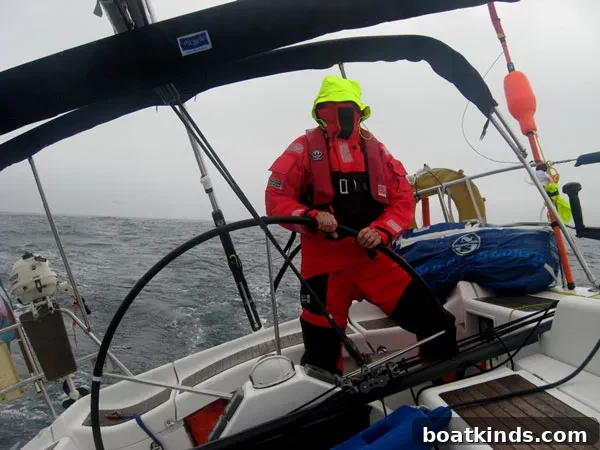
The top layer must keep water out. While high-end foul-weather gear with taped seams and breathable membranes is comfortable and long-lasting, an emergency top layer can be as simple as a well-sealed poncho or a plastic tarp fashioned into a cover. For regular use, choose quality rain gear with reflective tape for visibility and durability. In a true emergency you want something that keeps wind and rain from stealing body heat.
Permanent Spares
Treat spare gear like lifesaving equipment: store it aboard and don’t rely on remembering it before every trip. Make rain and cold-weather clothing a permanent fixture on your vessel. Any storage method that keeps the gear clean and dry will work: dry bags, compression sacks, or vacuum-sealed packs are all reasonable choices depending on space and budget. For example, a single 10-liter dry bag can often hold an extra jacket, a mid layer, a pair of gloves, and thick socks in larger sizes.
Think of these items as insurance. Boats run aground, lose power, and props get fouled—mostly inconveniences in summer, but potentially dangerous as temperatures fall. Boredom and mild hunger are one thing; losing core temperature overnight is another.
When packing, prioritize items that are lightweight, compact, and capable of insulating even when damp. Keep spare clothing in quick-access, labeled stowage so everyone aboard knows where to find it. If you have limited space, choose multi-purpose garments: a breathable synthetic jacket that doubles as a windbreaker and an insulated layer is ideal.
Other practical tips: rotate and inspect stowed clothing seasonally so it remains dry and serviceable; include a small plastic bag or waterproof container to protect electronics and documents; and practice getting the spare kit out and dressed quickly so you are prepared if the weather turns suddenly.
The couple we rescued survived because someone found them. Don’t wait for that luck. A few simple items—a warm synthetic base layer, a mid layer, a heavy jacket, a hat, gloves, thick socks, and reliable rain protection—can keep you safe until help arrives. In cold months, these are not luxuries; they are essential safety gear. Pack them, store them, and make them part of your boat’s permanent checklist.