
How the COVID-19 Pandemic Upended Boat Movement and Hurricane-Season Insurance
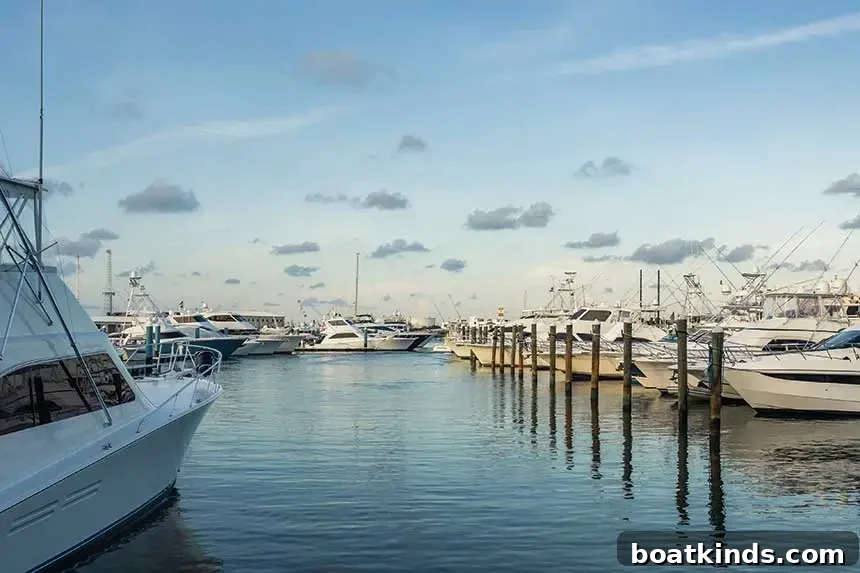
The coronavirus pandemic has disrupted countless routines — from supply chains and elections to how families work and learn at home. One less-visible disruption has been to the seasonal movement of recreational boats. Where owners and captains normally reposition vessels each spring and early summer, this year many boats are stranded or delayed because of travel restrictions, marina closures and quarantine rules.
In Florida, for example, yachts that would typically head to the Bahamas or the Mediterranean are stuck because those cruising destinations were closed as of early May. Along the southern U.S. East Coast, owner-operated boats that usually return north to summer locations such as Rhode Island faced mandatory quarantine rules that discouraged movement. In New York and New Jersey, fluctuating marina access made it difficult or impossible for some owners to reach their slips.
Complicating matters further is the start of hurricane season, which runs from June 1 through November 30. Many marine insurance policies require boats to be stored above a certain latitude, moved to approved hurricane-hold marinas, or otherwise repositioned to reduce risk. With routine cruising patterns disrupted by the pandemic, owners and captains risk breaching insurance requirements if they cannot reach the required locations.
“With everything going on, people aren’t thinking this way and this could really be a problem,” says Mike Carlson, owner of 26 North Yachts in Fort Lauderdale. Seasonal boats — the “snowbirds” and owner-operated vessels that move between Florida, the Bahamas and New England — are particularly affected. Owners who planned to trek boats north for the summer may now face closed marinas, quarantine restrictions, or limited access to fuel and services along the way.
As of early May, many hurricane-hold marinas in Florida were already fully booked for the season, according to John Jarvie, vice president of Oversea Yacht Insurance in Fort Lauderdale. Some marinas even closed fuel docks to make room for unusually large yachts — superyachts that would typically relocate to the Mediterranean. The influx of larger vessels reduced available slips and forced smaller boats to look farther for berths.
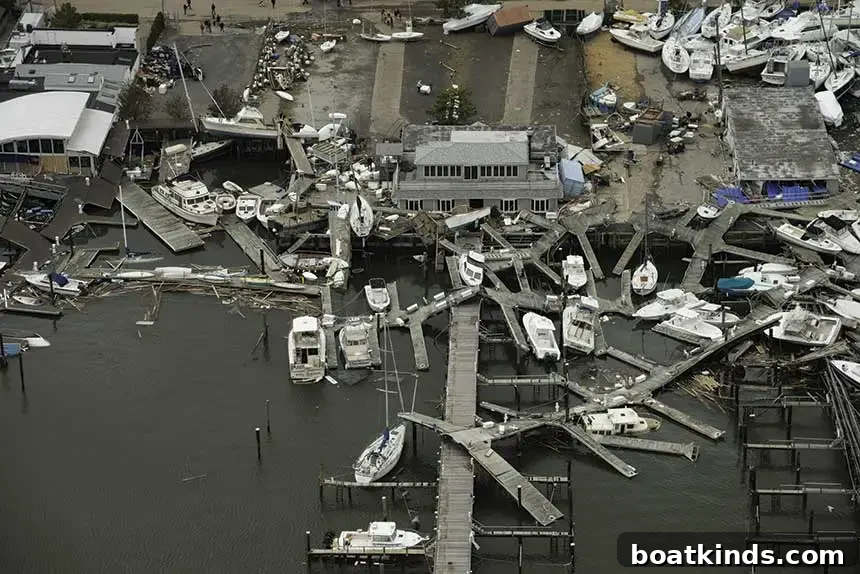
State-by-state differences in how marine services reopened during the pandemic created a patchwork of open and closed transient fuel docks and slips along the East Coast. That inconsistent availability increased the planning burden on owners whose insurance requires repositioning before or during hurricane season. Some insurers responded by giving temporary exceptions — for example, allowing owners until mid-July to move boats north of the Florida-Georgia line or permitting boats to stay in Florida for the season if owners accept higher premiums.
Still, exceptions have limits. Insurance carriers cap the total value of vessels they will insure in high-risk regions during hurricane season. Once that limit is reached, additional boats will be required to relocate to remain insurable. This means owners who delay repositioning because of pandemic-related obstacles may suddenly find themselves unable to secure coverage unless they move their boats elsewhere.
Practical Steps for Owners and Captains
Insurance professionals recommend that owners take proactive steps now to avoid last-minute complications:
- Review your marine insurance policy to understand hurricane-season requirements and any geographic deadlines.
- Contact your broker with a concrete plan: specify intended slips, alternative hurricane holes, or nearby upriver storage options.
- Identify multiple relocation routes and backup marinas in case primary choices are closed or full.
- Confirm fuel availability and transient dock access along any planned transit routes.
- Consider insurance endorsements or short-term premium adjustments if you must remain in a higher-risk area.
“Before you ask your broker to let you stay in Florida for hurricane season, tell him what your plan is,” Jarvie advises. “Are you leaving it in a slip in a marina? Do you have a friend who lives upriver? The more the owner has thought these things out, the more the company wants to work with you right now.”
Owners should also be realistic about personnel constraints. Experienced delivery captains who normally reposition boats may be unavailable because of travel restrictions, state reopenings, or personal and family health concerns. That can limit options for moving a vessel on short notice.
“The last thing anybody wants is to be stuck not going north and there’s a hurricane coming,” Jarvie says. Now is the time to prepare a clear Plan B even if your original plan still seems feasible.
This article originally appeared in the July 2020 issue.