Preparing Boats and Marinas for an Above-Normal Hurricane Season and More Short-Fuse Storms
The 2026 Atlantic hurricane season, which began on June 1, is expected to be busier than usual. The National Oceanic and Atmospheric Administration (NOAA) forecasts 17 to 25 named storms this season, including four to seven that could reach category 3 or higher. Alongside the higher overall activity, forecasters warn of a likely increase in short-fuse storms—systems that can intensify very rapidly and give boaters and marina operators much less time to act.
What Are Short-Fuse Storms and Why They Matter
Short-fuse storms, sometimes described as developing more like tornadoes than traditional hurricanes, undergo “rapid intensification.” That means wind speeds can jump by 35 mph or more in a single day, and a storm may reach major-hurricane strength just two or three days before landfall. These shortened warning windows can make routine evacuation or preparation plans impractical or impossible for both recreational boaters and commercial marina operators.
Rapid intensification is a growing concern. While the National Hurricane Center has made progress predicting such events in recent years, accurate forecasts more than 36 hours ahead remain challenging. Historically, several of the most destructive storms in the past century underwent rapid intensification prior to landfall, and climate warming is expected to increase the frequency of these events.
Lessons from Hurricane Ida and the Need for Faster Action
The dangers of short-fuse storms were painfully clear during Hurricane Ida in 2021. Ida was a disorganized tropical system roughly three days before it surged into a category 4 hurricane with winds near 150 mph, striking Louisiana and causing widespread devastation. More than 80 people died and damage estimates reached roughly $75 billion. That event highlights how quickly the situation can change and why new strategies are needed to protect boats, marinas, and lives.
“These short-fuse storms are hurricane emergencies that require the ability to put action plans into place on constrained or reduced timelines—not even five days out,” said National Hurricane Center Director Mike Brennan during the Governor’s Hurricane Conference in May. That urgency applies directly to marina managers and boat owners who may face rapid and unpredictable threats this season.
Marina Preparedness: How Operators and Boaters Can Respond
Operators across the country are adjusting their response plans to account for shorter lead times. Suntex, which operates nearly 100 marinas in 15 states, including coastal locations in Florida, trains teams to accelerate preparations if a hurricane shows signs of rapid intensification. “If we have enough time, we’ll go through our normal procedures,” says Sam Chavers, senior vice president of operations for coastal marinas. “If the time period is condensed, then we’ll get it done faster.”
Suntex generally begins coordinated preparations about 72 hours before a storm’s expected landfall, holding an all-hands meeting and notifying boaters. The company emphasizes that marinas are not safe locations for vessels during a hurricane or tropical storm and recommends relocating boats where feasible. When time is short, crews focus on critical tasks that most reduce damage risk.
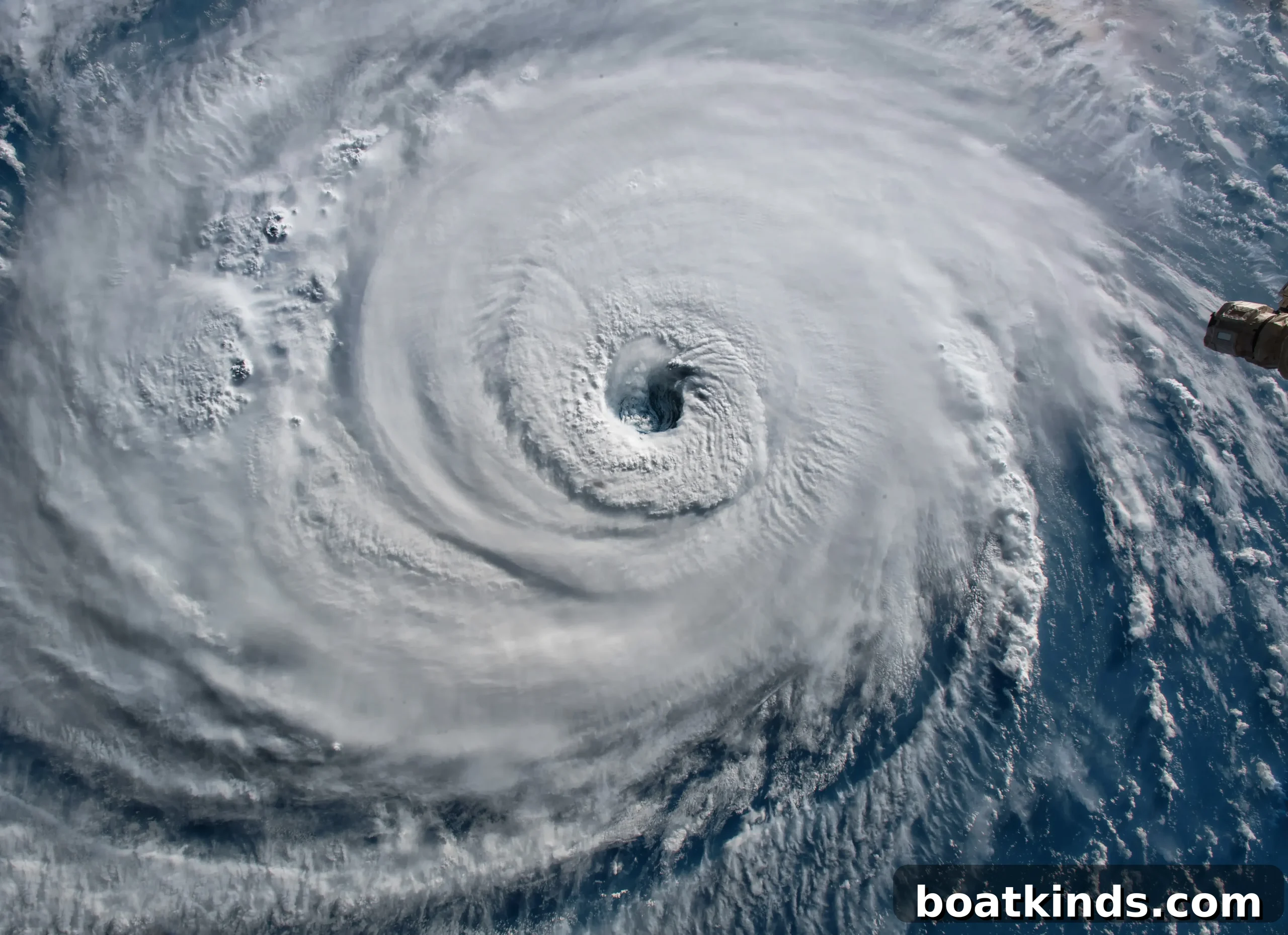
Typical actions taken in the final 72 hours include testing and staging pumps, backing up computer records, securing loose items such as trash cans and dock boxes, putting a backup fuel station in place, tying gates open, and shutting off power and water at the docks. Main fuel lines are shut down, and staff secure or remove anything that could become a hazard in high winds or storm surge.
Chavers notes that most boat owners are cooperative and willing to help secure their vessels—even those who decide to leave boats in the marina. “We see tremendous cooperation with people coming down and putting extra lines on or securing things that could blow away,” he says. “They’re trying to protect their asset the same way that we’re trying to protect their asset and the marina as an asset.”
Recommended Mooring Lines and Minimum Standards
Suntex provides specific guidance on mooring lines to improve a boat’s chances of holding through severe weather:
- Boats 35 feet and smaller: at least six half-inch lines, or more as cleat capacity allows.
- Boats 36 to 50 feet: at least eight three-quarter-inch lines.
- Boats over 50 feet: at least eight lines of seven-eighths of an inch.
These line recommendations apply regardless of intensity once winds exceed about 30 knots, Chavers adds. “Any kind of storm with winds over 30 knots can impact boats and marinas,” he says. “We’re prepping the same way. Even with a category 4 or a 5, we prep the same way.”
Focus on What You Can Control
Facing a season with more storms and an increased chance of rapid intensification can feel overwhelming, but there are actionable steps marinas and boat owners can take to reduce risk. Preparing facilities, training staff, communicating early and clearly with customers, and following proven mooring techniques are all within managers’ control.
“What we can control is whether the marina is fully prepared and customers are fully prepared,” Chavers says. “Those are the things we can manage and direct, so those are the things we do control.” With shorter warning windows becoming more common, the emphasis is on speed, coordination, and prioritizing the tasks that save lives and limit damage.
This article was originally published in the August 2024 issue.