
After a long, cold winter, the idea of getting back out to the region’s favorite fishing and boating spots is irresistible.
It’s always nice to hear the weatherman say spring has arrived on the calendar, only to be reminded by one last wet, heavy snowfall and then a string of chilly, rainy weekends. Still, warmer weather is coming, and that means fishing tackle gets pulled from storage and boats head back to their summer slips.
Don’t wait until the last minute. Many anglers leave gear maintenance until the Wednesday before the first promising Saturday and then discover their local tackle shop is swamped, with repairs and rigging backed up for weeks. Plan ahead: drop off rods, reels and electronics early, and use that quieter weekday to ask the shop owner questions you won’t get time for on a warm weekend. A knowledgeable counter person can show you a better rigging method, recommend productive spots, or suggest a suitable replacement if a family reel is beyond repair.
Remember the trailer as well as the boat. I once watched a wheel come off a trailer on the way to flounder fishing—so corroded it broke from the hub. Fortunately a friend had a spare, and we were back on the road. Inspect tires, bearings, lights and tongue connections before you launch for the season.
Flounder fishing is a classic New England spring pursuit, but poor fishery management has reduced many populations. That makes checking state regulations essential—verify season openings and closures at your tackle shop or on official state fishery websites before you head out. Not every bay, river or tidal pond still supports the flounder runs of past decades; good spots now tend to appear as pockets of fair-to-decent fishing, often mentioned in local newspapers, on fishing websites, or at tackle shops.
In Connecticut, for example, Norwalk often offers a better-than-average chance of catching enough flounder for dinner. When flounder are scarce, bringing extra chum along with bait can improve your odds.
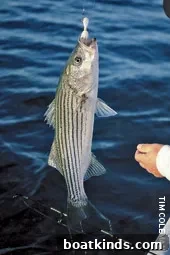
Schoolie stripers are high on many anglers’ early-season lists. Some bass winter in protected areas, while others move in from nearby points as the ice clears. In 2008, spring-run bass showed up in the Pawcatuck River on April 24, and anglers using light spinning gear and small plugs found success. A few days later, reports surfaced of schoolies in local salt ponds—caught by canoeists and waders on crisp mornings—after little success there earlier in the month.
A late or cold spring can delay steady schoolie action because water temperatures remain low. If surface water is chilly, try fishing during the last hour of daylight and into full dark; that timeframe often triggers feeding behavior in resident bass. Use small lures like a gently retrieved bucktail with a plastic twister tail and remember that colder water slows a fish’s metabolism, so slower retrieves and smaller profiles can be more effective.
As April gives way to May, catches generally rise and anglers begin to see the season’s first keeper-sized bass. Mild weekday weather with temperatures in the 60s and 70s often produces quiet rivers and eager fish. Later in May, bunker move into some Southern New England rivers to spawn, attracting larger bass. Early bluefish may also show up after dark, sometimes before most anglers realize they’re in.
Owners of larger boats look for the first push of bass into The Race off New London around mid-month. For this tide-driven fishing, bring diamond jigs and three-way bucktail rigs. It’s not unusual to encounter 20 or more bass on a productive tide, including some large fish that push the limits of the season.
Cod and pollock were once dependable spring targets, with anglers making runs to Montauk or Block Island for the opener. Those fisheries have declined in many areas, and many Northeast anglers seeking cod now fish north of Cape Cod. Still, fisheries do fluctuate—this past winter produced a decent run of cod on Block Island grounds, offering some hope that stocks may rebound. Rhode Island once supported a year-round cod fishery that kept several party boats busy; many anglers hope management and conservation can restore the fishery toward past abundance.
If you plan an offshore trip for cod or pollock in May, remember offshore waters are still cool. Dress in layers and bring extra clothing; your warmest gear, not summer boat shoes, will keep you comfortable. Always check current regulations and seasonal closures before you go—areas sometimes remain closed after winter to protect recovering stocks.
The air may feel like spring at home, but water temperatures in May are often in the mid-to-high 40s. Prepare accordingly and respect the sea’s conditions.
The season is beginning to roll and the last traces of winter won’t last long. Sunshine, warm days and the promise of many fishing and boating outings lie ahead.
This article originally appeared in the May 2009 issue.