
Feadship: From Postwar Coffeehouse Conversations to Iconic Luxury Yachts
They were large, resolute vessels designed to cross oceans and carry their owners to any harbor around the world. Emerging from the devastation of World War II, Feadship became synonymous with bespoke luxury yachts crafted by Dutch shipbuilders who rebuilt an industry and set a new standard for recreational boating.
The story began informally over coffee. In 1949, the owners of seven Dutch shipyards met at De Roode Leeuw’s coffee house in Amsterdam with a shared goal: to revive the Netherlands’ shipbuilding sector after the war. Led by naval architect Henri de Voogt, they formed the First Export Association of Dutch Shipbuilders—soon shortened to Feadship—with the specific aim of producing cabin cruisers and larger, custom yachts for the North American market.
By 1951 Feadship was ready to present its work to an international audience. At the New York International Boat Show the new yachts drew enthusiastic attention and sold quickly, admired for their bold profiles, generous accommodations and seaworthy construction. Early models featured a recognizably large hull form, a sturdy wheelhouse and broad decks—design elements that signaled both safety and comfort. Two years later, the Feadship Capri earned the honor of being named Queen of the International Motor Boat Show, reinforcing the brand’s growing reputation.
Throughout the 1950s and beyond, Feadship evolved technically and stylistically. The transition from wooden hulls to steel and aluminum construction allowed for larger, stronger and more durable yachts. Chief designer Fritz de Voogt, together with designers such as Jon Brannenberg, Al Mason and John Munford, developed custom motor yachts that routinely exceeded 85 feet, with some reaching well over 100 feet. These vessels combined traditional craftsmanship with modern naval architecture to deliver both performance and luxury.
Innovation became central to Feadship’s appeal. The shipyards were early adopters and promoters of creature comforts and technologies that would become standard on luxury yachts—air conditioning for comfortable year-round cruising, stabilizers to improve onboard comfort at sea, and refined interior layouts tailored to individual owners. Customization was a hallmark: clients could specify layouts, finishes and systems to match personal tastes, producing one-of-a-kind yachts that often remained in service for decades.
Feadships attracted high-profile owners and cultivated fierce loyalty from those who experienced the build quality and attention to detail. Well-known figures like Malcolm Forbes and Henry Ford were among the owners who selected Feadship yachts. Owners frequently invested in refits and modernizations, a testament to the yachts’ enduring hull forms and adaptability to new systems and contemporary styling.
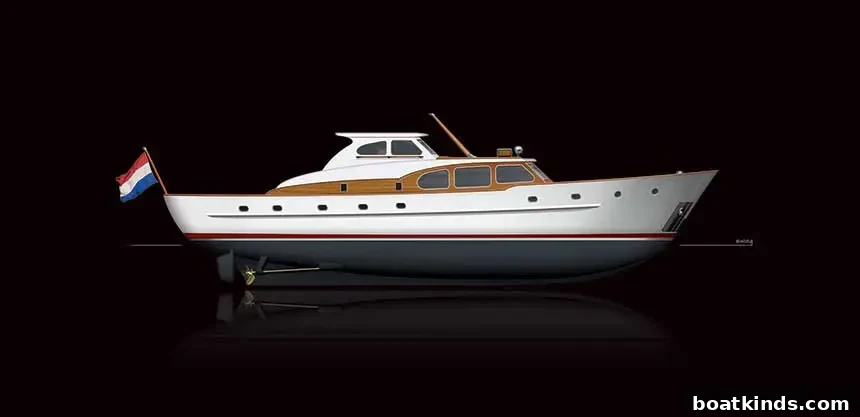
The 62-foot steel-hull yacht Tiky exemplifies the life cycle and longevity of a Feadship. Launched in 1961 by Feadship Royal Dutch Shipyards, Tiky’s twin-diesel layout and classic lines carried her through decades of cruising around European ports under different names. When she underwent a major refit in 2006, a new owner committed to restoring and modernizing her systems and interior. That work culminated in a 2014 relaunch and delivery to San Remo, Italy, where her presence continued to attract curiosity and admiration—so much so that the owner noted, “Barely a day goes by without someone stopping and asking about her.”
Feadship’s legacy rests on the combination of bespoke design, robust engineering and the ability to evolve. From modest beginnings in a coffeehouse to international acclaim, the brand helped define what a luxury motor yacht could be: seaworthy, comfortable, highly personalized and built to last. Decades after those early postwar years, Feadship remains a touchstone in the world of custom yachting, representing quality craftsmanship and a deep commitment to owner satisfaction.
This article originally appeared in the May 2020 issue.