
Labor Day Rescue: Boater Saves Lives Near Des Moines, Washington
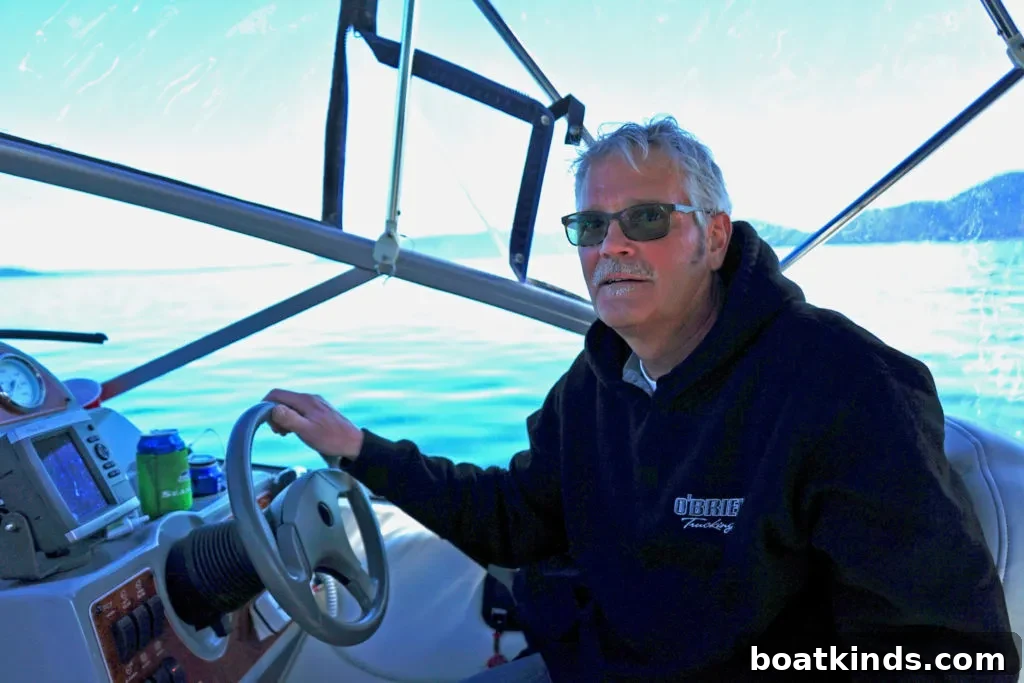
On Labor Day, Mark Langmas set out from Everett aboard his 24-foot Bayliner expecting a routine day on the water. He cast off at 8 a.m. and steered toward Des Moines, Washington, but conditions quickly deteriorated. Calm seas turned into steep 8- to 10-foot waves—the roughest Langmas had seen in his years of boating. What began as a planned outing became an urgent rescue that would test his skill, judgment, and equipment.
As he altered course for Edmonds Beach to find shelter from the weather, Langmas noticed floating debris: boat cushions, overturned coolers, and other signs of a recent trouble. Then, suddenly, five people wearing life jackets appeared in the chop directly ahead of his boat. Had he been a little farther to either side, he might have missed them entirely. The discovery was a stark reminder of how quickly conditions can turn dangerous and how small margins can mean the difference between life and death.
Langmas immediately called 911 and switched to his VHF radio to broadcast a distress report. While maintaining communication with dispatch and other on-scene vessels, he worked to maneuver his boat into position to throw a rescue line. The steep waves and strong wind repeatedly snatched the rope off target, complicating the maneuver, but he persisted. Eventually he succeeded in getting a line to one victim and was able to haul her aboard. His calm response under pressure helped stabilize an already perilous situation.
Within minutes, shore resources and professional rescuers arrived. Emergency vehicles and first responders reached the beach, and a fire-rescue boat entered the water. A Washington State ferry that happened to be nearby lowered an inflatable rescue boat, and its crew assisted in pulling the remaining people from the water. After the last person was safely aboard a rescue vessel, Langmas followed the first responders back to the marina. The coordinated effort of a private boater, ferry crew, and emergency services ensured all five people survived what could have been a tragic outcome.
Back on land, Langmas acted on lessons learned that day: his first priority was to purchase throwable life preservers attached to rope, a simple but critical tool for quick water rescues. He also took stock of his gear and procedures—confirming that a working VHF radio, easily reachable PFDs (personal flotation devices), proper lines, and clear communications are essential for any small-boat operator heading into open water.
This incident underscores several important safety takeaways for recreational boaters, especially on busy waterways like Puget Sound:
- Always wear or have readily accessible life jackets for every person on board. Life jackets dramatically increase survival odds in cold, rough water.
- Carry a VHF radio and know how to use it. A quick broadcast to Channel 16 and a 911 call can summon help and alert nearby vessels.
- Keep throwable devices—ring buoys or cushion-style floatables on lines—within arm’s reach to reach people in the water quickly.
- Plan for changeable weather and know the nearest sheltered harbors or marinas. Conservative decision-making when seas are building can prevent emergencies.
- Practice man-overboard procedures and deck handling in rough seas. Clear commands, calm leadership, and practiced maneuvers improve outcome during rescues.
- Remain aware of other vessels, including commercial ferries. Their crews can be vital assets in a rescue, but coordination is crucial to avoid additional hazards.
Mark Langmas’s actions illustrate how an alert, prepared boater can make a life-saving difference. He didn’t set out to be a rescuer, but his presence, preparedness, and quick thinking helped save lives on a day when rough seas created unexpected peril. For all boaters, the episode is a clear reminder: proper equipment, timely communication, and calm execution are essential components of safe boating.