
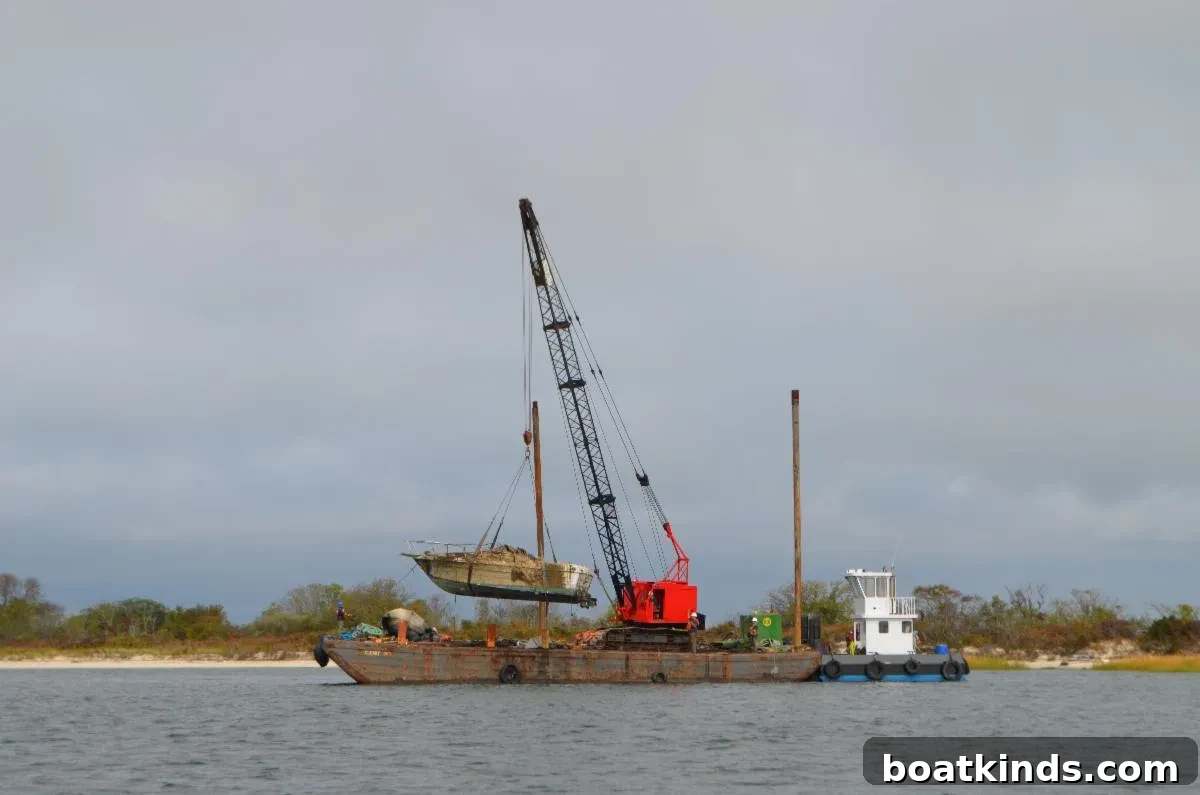
Abandoned Boats in New York City: A Persistent Waterfront Challenge
For centuries, abandoned vessels have been part of New York City’s maritime landscape. In recent decades the problem has intensified: following the 2008 recession and later Hurricane Sandy, the number of derelict and abandoned boats in city waters increased markedly. At one point as many as 600 abandoned vessels were scattered throughout harbors, rivers, and shorelines, creating safety, environmental, and navigational concerns for residents, boaters, and waterfront communities.
Some of these boats were torn from their moorings during powerful storms like Hurricane Sandy, while others were intentionally left behind when owners could no longer afford maintenance, docking fees, insurance, or repairs. The combination of economic hardship and extreme weather produced a surge of derelict craft that often sat for months or years. Untended, these boats can deteriorate quickly, releasing fuel, oils, and other contaminants, posing hazards to local habitats and complicating efforts to maintain clean waterways.
The City of New York has faced limitations when addressing this widespread problem. Municipal budgets do not include a dedicated appropriation solely for removing abandoned vessels, which makes large-scale, rapid cleanup difficult. Despite these constraints, some city agencies have taken action. Nate Grove, chief of waterfront and marine operations at the New York City Department of Parks and Recreation, has overseen a substantial cleanup effort: over the past seven years he has helped remove roughly 300 abandoned boats from shorelines and harbors around the city.
“The waters around the city haven’t been this clean since the Civil War,” Grove said in a media interview, “and I’m determined to help keep it that way.” That determination reflects the hands-on work required to locate, assess, and remove derelict craft. The process typically involves identifying vessel owners when possible, documenting environmental risks, coordinating with multiple agencies or private contractors, securing necessary permits, and arranging for safe removal and disposal—all costly and time-consuming steps.
Abandoned boats create a variety of problems. They can obstruct navigation channels and marinas, endanger swimmers and recreational users, and become hazards for commercial shipping in some areas. As hulls break apart and systems corrode, oil, gasoline, batteries, and other pollutants can leach into the water, threatening fish, birds, and fragile shoreline ecosystems. Over time, derelict vessels also degrade the visual appeal and recreational value of waterfront neighborhoods.
Addressing the issue requires more than one-time removals. Long-term solutions typically include better registration systems, stronger enforcement of abandonment laws, accessible disposal and recycling options for unwanted boats, and public outreach about responsible vessel ownership. Coordination among city agencies, state and federal partners, maritime salvage companies, and local communities helps stretch limited resources and accelerate cleanup work. In many cases, removing a single derelict boat demands specialized equipment, trained crews, and careful handling to prevent further environmental harm during the salvage operation.
Although hundreds of boats remain, the removal of roughly 300 derelict vessels in recent years demonstrates that sustained effort can make a measurable difference. Continued attention to prevention, timely intervention after storms, and creative funding approaches are important to keep New York’s waterways safe, navigable, and ecologically healthy. For waterfront residents and boaters alike, clean shorelines and clear channels mean safer recreation, improved habitat, and a waterfront that better serves the city as a whole.