Virtual Yachts and Marinas: Inside the Metaverse’s New Waterfront
The metaverse is becoming a real marketplace for boats and marinas, even though many of the rules and norms that govern behavior in this virtual world are still being written. Early adopters can buy prized waterfront parcels and unique yachts, but they also face risks that range from disruptive users to uncertain regulation.
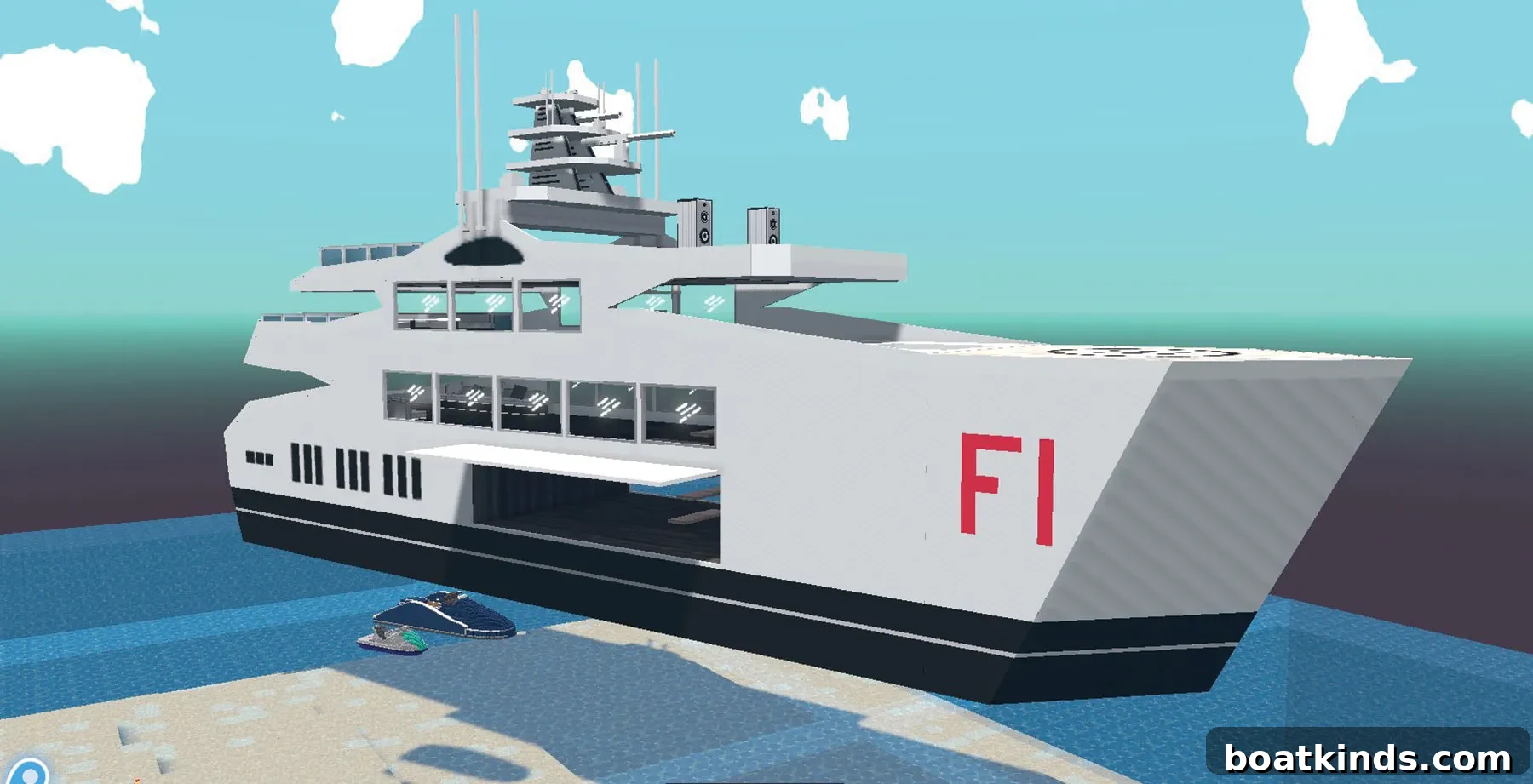
Carolina Milanesi, principal analyst at Silicon Valley consultancy The Heart of Tech, highlighted both the promise and the pitfalls after news that a buyer paid $650,000 for a yacht that exists only in the metaverse. That digital superyacht was purchased for placement in a virtual marina that is still under construction, inside a platform not yet open to the public. The sale demonstrates how quickly digital assets for virtual boating are gaining value.
To picture what this could become, think of the film Ready Player One: people don headsets, become avatars and interact in a vast virtual world where nearly anything is possible. The metaverse is that concept brought into reality—a virtual environment where users interact with computer-generated spaces and with each other.
One company positioning itself at the luxury end of this market is Republic Realm. Working within The Sandbox platform, Republic Realm is developing Fantasy Marina, a virtual port modeled after the real-life harbor at St. Tropez. It was in Fantasy Marina that the $650,000 virtual yacht—named the Metaflower—was sold.
Janine Yorio, CEO of Republic Realm, told Soundings that Fantasy Marina is intended as a social and entertainment hub inside The Sandbox. “We are making a marina in The Sandbox, and we are selling boats to go into that marina,” Yorio said. “This yacht that was sold goes into that marina, which will ultimately be a place to gather in the game, and where people can do things.”
The Metaflower is a custom digital yacht with party-ready amenities: a DJ booth, hot tub, helipad and garage for tenders. Its blocky, stylized look—reminiscent of early video-game graphics or voxel art—belies its social purpose. When The Sandbox opens to the public with virtual-reality headsets, the Metaflower’s owner will be able to host events just as real superyacht owners do on the French Riviera. Yorio points out that ownership also brings prestige and unique hosting opportunities in the virtual world.
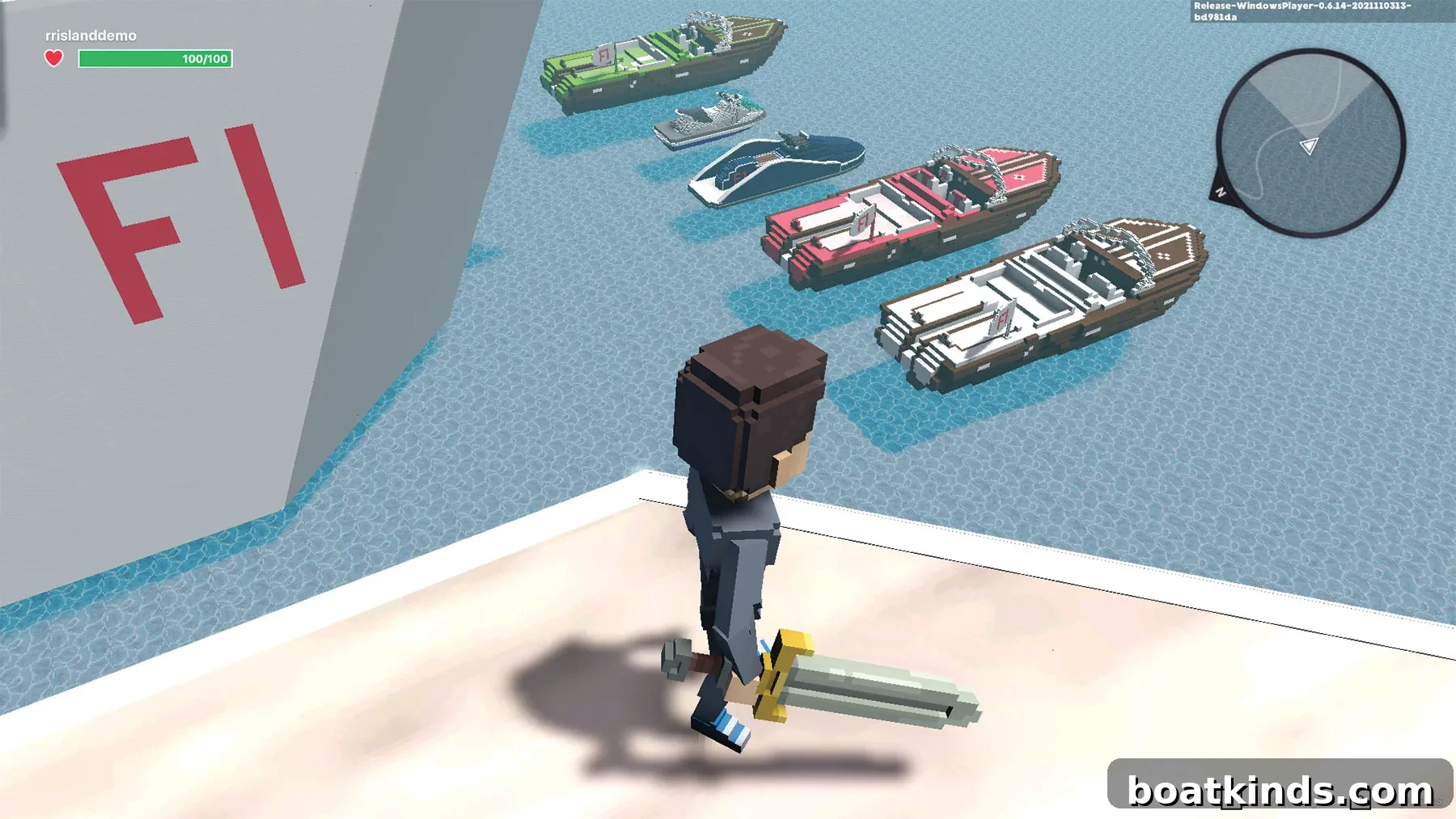
Other virtual boats are already for sale on NFT marketplaces such as OpenSea. Republic Realm’s offerings include virtual speedboats inspired by classic wooden runabouts: at the time of reporting, bids for the White Whippy were 1.75 ether (about $6,700), the Green Glow around $7,500, and the Pink Prowler approximately $21,000. Personal watercraft listings ranged roughly from $500 to $1,300. These figures highlight how cryptocurrency and NFT markets are intertwined with virtual boating sales.
Milanesi notes that virtual boating can extend a real-world passion into a digital second life. It offers opportunities for people who can’t access real boats—because of location, budget or physical limitations—to experience boating activities year-round. Virtual marinas and boats may also create new entertainment and educational uses, such as virtual regattas, boat shows, or practice environments for docking and navigation.

At the same time, current builders of metaverse environments often come from the gaming industry, which has historically skewed young and male and can feature extensive product placement. The social dynamics in these worlds are still unsettled. Reporters and early users have encountered disruptive behavior—avatars coughing and claiming to have Covid-19, deliberate harassment and other trolling behaviors—which raises questions about moderation, safety and rules of conduct in virtual spaces.
“Think about somebody who can’t drive a boat, but who thinks it would be fun to drive around and smash into everybody,” Milanesi said. “It’s everything that can possibly go wrong in a video game. It doesn’t matter if you’re real or you’re in the metaverse. If you’re a moron, you’re a moron.” Her point underscores that social problems familiar from online gaming will cross over into virtual boating unless platforms adopt clear policies and enforcement.
Despite the risks, the upside is significant. Republic Realm plans to host virtual boat shows, regattas and other events at Fantasy Marina. Milanesi envisions virtual boater education—safe spaces where novices can practise docking or navigating crowded waterways—and therapeutic uses, such as enabling patients recovering from surgery to feel like they are aboard a boat while they heal.
There is also a convergence between real and virtual yacht design. Custom yacht designers are producing photorealistic CAD renderings that buyers can explore in virtual reality. Game developers can convert those renderings into interactive metaverse assets, letting prospective owners “step inside” a design or test customizations before a vessel is built in the real world.
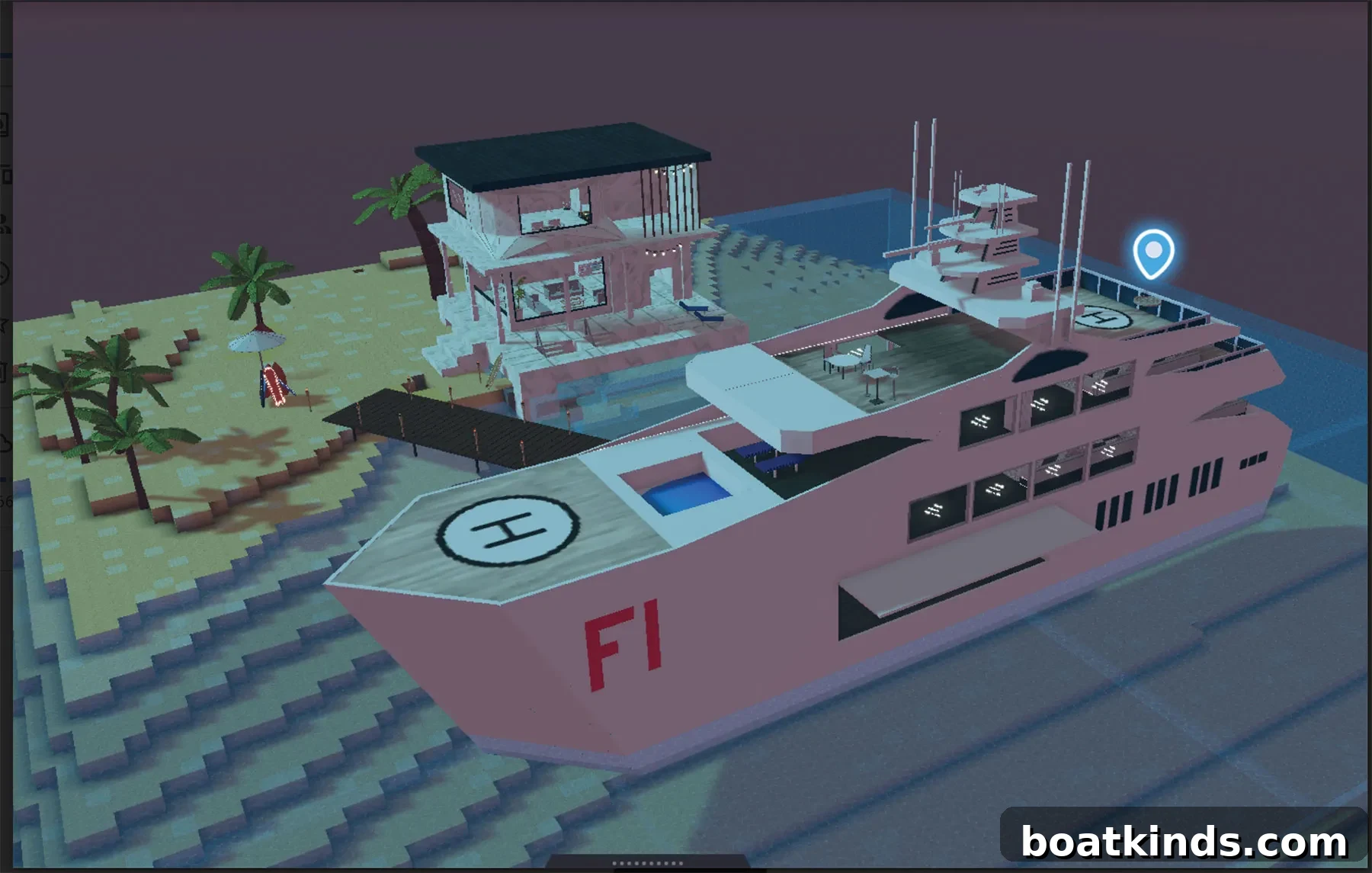
“You’re only limited by your ability to hire somebody to build it for you,” Yorio said. “It’s building a video game. These assets are mini-video games—if you steer the boat, it turns, or if you have a helipad, you can land a helicopter on it.”
So should you buy a boat that exists only in the metaverse? Milanesi advises caution. Consider whether you see the purchase as an investment or as entertainment. Companies are rushing to monetize the space, but the broader rules and standards have not yet been established. For now, virtual marinas and yachts sit in a frontier phase—full of possibility, but still the Wild West in many respects.
This article was originally published in the March 2022 issue.