
Party Boating in South Florida: When Camera-Ready Stunts Turn Dangerous
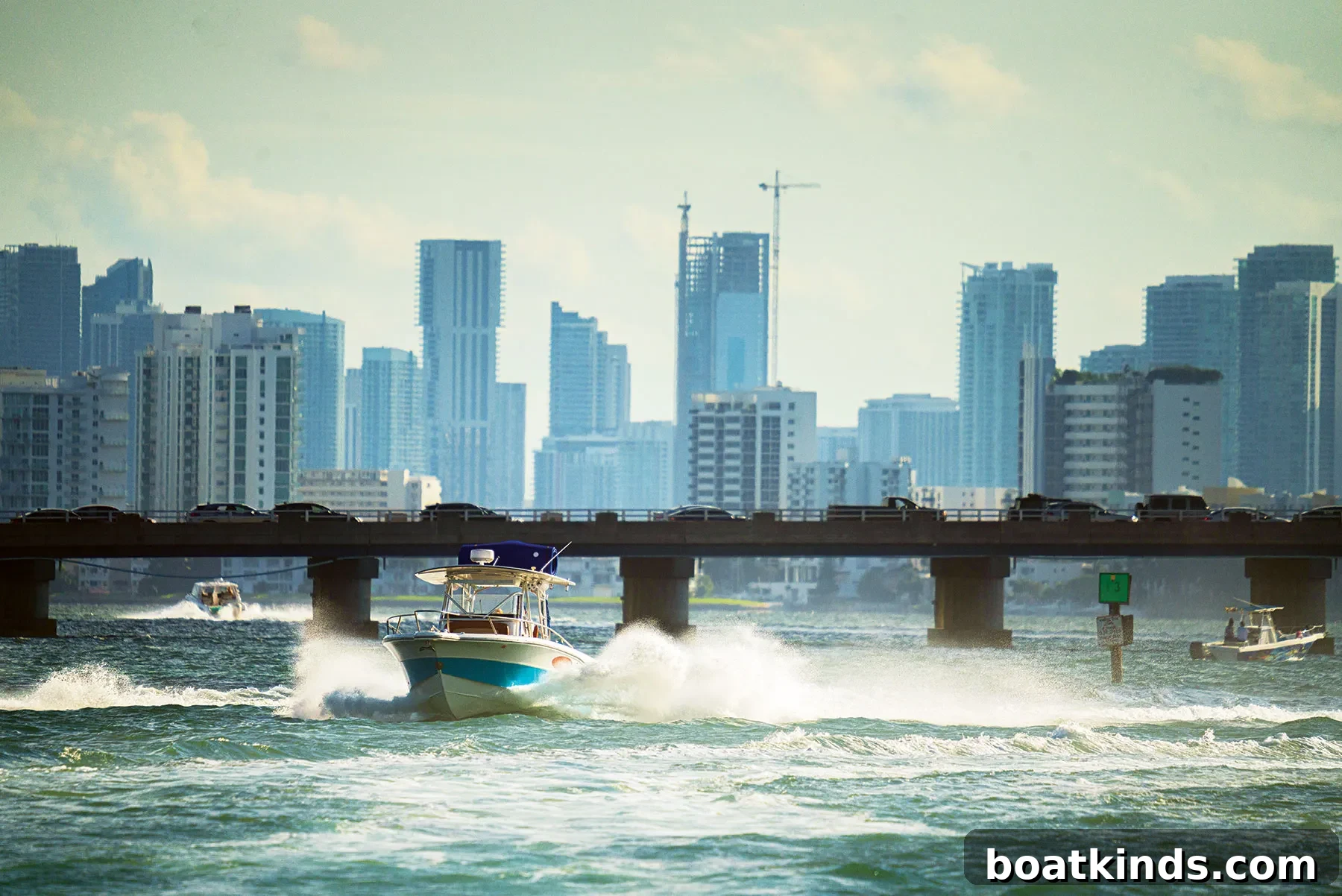
Across South Florida, crowds of boaters are flocking to Baker’s Haulover Inlet and the Miami River—and many are doing it for the cameras. Videos on Facebook, Instagram, YouTube and other platforms show revelers cheering, drinking, stripping down and riding waves for likes and views. What looks like harmless fun in a clip can quickly become life-threatening when boats race, people stand on bows, and riders are launched from personal watercraft into strong currents and rocky jetties.
Capt. Eduardo Barreto, owner of Sea Tow Key Biscayne, describes weekend operations on the Miami River as chaotic. “Every time we have to tow a boat on the weekend, it is a war zone,” he says. “Too many boats coming in and out, people going way too fast, passengers standing on the bow, Jet Skis and yachts all mixed together. Some people come because YouTube channels film from the top of the river and they want their moment on camera.”
Local captains warn that many boaters either don’t know the risks or simply ignore them. Haulover Inlet and the Miami River sit within Biscayne Bay and are separated by Miami Beach, but both locations create unique navigation hazards that inexperienced or attention-seeking boaters often underestimate.
Why Haulover and the River Attract Risky Behavior
Haulover Inlet historically became a major destination because of its sandbar and shallow, waist-deep water where people gathered to socialize. That popularity grew into a near-tourist attraction, prompting debate when the U.S. Army Corps of Engineers proposed dredging to replenish sand lost to erosion. County commissioners approved the work last summer to restore the beach and improve navigation—something licensed captains like Barreto welcomed.
“The channel for navigation was shrinking,” Barreto explains. “Dredging will reduce crowding, which in turn lowers the number of people drinking and then trying to exit the inlet while being recorded for social media.”
Barreto monitors Channel 16 on his VHF radio and reports multiple calls for help daily from October through April, when winds typically increase. He links many emergencies to people pursuing social-media fame while navigating hazardous local conditions.
Strong Currents, Shoaling and Narrow Channels
Haulover Inlet passes beneath the A1A bridge and connects Biscayne Bay to the Atlantic. It’s the only inlet between Miami’s Government Cut and Port Everglades, and it creates complex currents, frequent shoaling and no straight channel to the Intracoastal Waterway. Boats often run aground or get pushed toward rocks. When inexperienced skippers speed through to show off, they can lose control amid unpredictable surf.
“After you go under the bridge there’s a jetty with waves coming in from the open ocean,” Barreto says. “It’s like a washing machine—water moving in every direction. It’s very difficult to maintain maneuverability in any boat under about 30 feet.”
Boaters waving at cameras or standing on bows lower the vessel’s maneuverability and increase the risk that a wave will push the bow down, dumping passengers into the water. Videos show many people without life jackets being thrown into 4- to 5-foot waves and then swept toward rocks or strong currents while attempting to reboard small boats or personal watercraft.
Accidents and Fatalities
Such incidents can be fatal. In 2020, a 27-year-old man died after being ejected from a boat that authorities said either struck a channel marker or ran onto a sandbar; another person from that vessel was later found wading nearby. More recently, police reported that a man celebrating his 21st birthday drowned after jumping off a chartered boat during a Miami River party. Though some of the worst outcomes occurred at night, reckless daytime behavior captured on social platforms is widespread.
Barreto offers a blunt observation: many people either haven’t absorbed media warnings or overestimate their skills. “Some want to be on YouTube going fast and looking cool, but they don’t understand what they’re actually up against,” he says.
Advice for Safer Boating
Experienced captains urge responsible boaters to avoid crowded or notorious spots when possible, and to choose weekdays over weekends when traffic and risky behavior peak. Other practical safety measures include:
- Checking weather and wind conditions before heading out—if it’s windy and rough, remain inside the Intracoastal or delay your trip.
- Avoiding the inlet in small boats (under about 20–30 feet) when conditions are rough; once in the inlet it can be difficult to turn around safely.
- Positioning passengers aft rather than forward in open boats to keep the bow from riding too low and taking on water.
- Wearing life jackets and ensuring everyone aboard understands how to react if someone goes overboard.
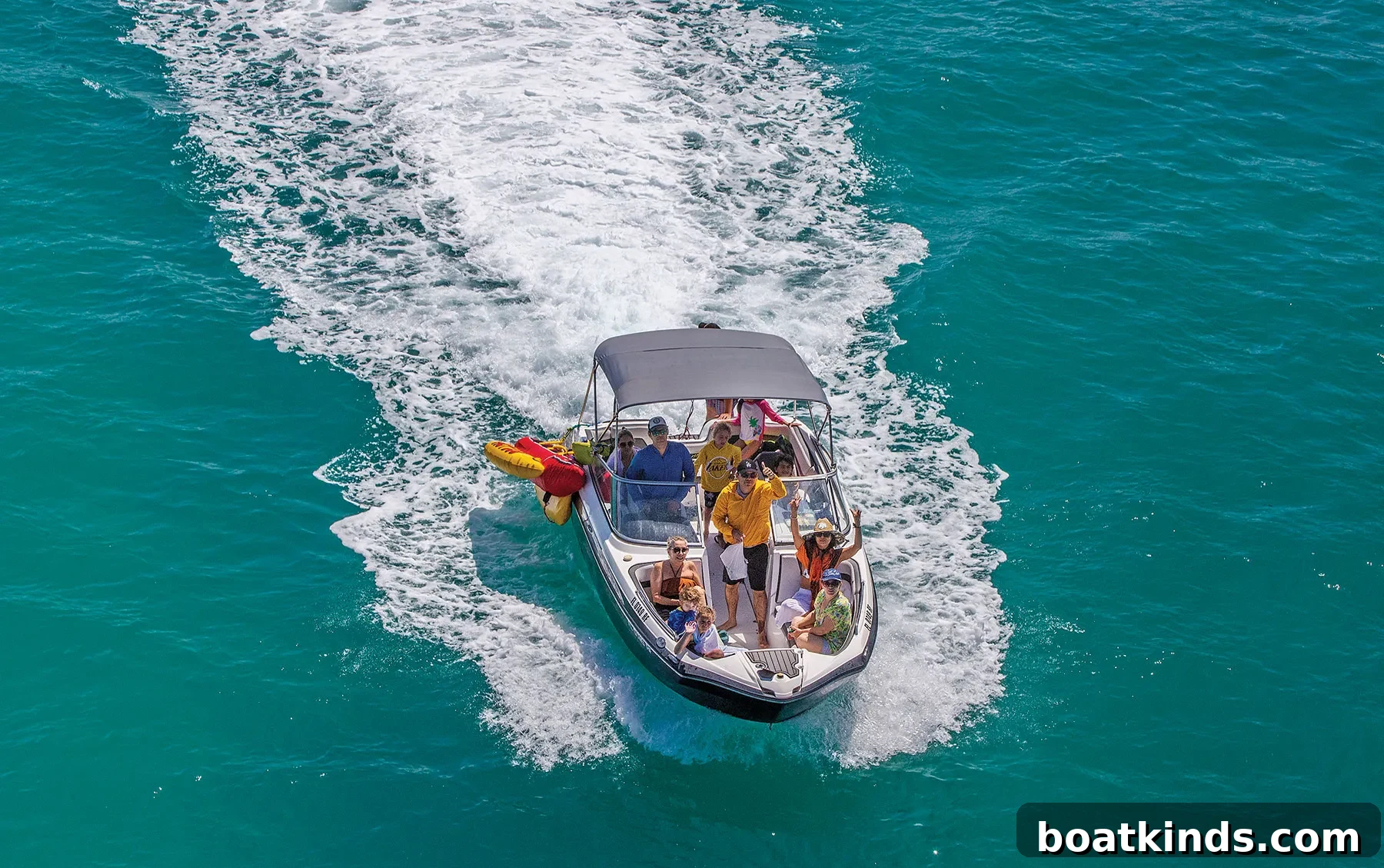
Barreto also highlights a trend that emerged during the Covid-19 pandemic: a surge of new boat owners who lack experience. The U.S. Coast Guard reported increases in boating fatalities and accidents in 2020, and the Biscayne Bay area has seen more inexperienced operators and risky conduct as more people took to the water for outdoor recreation.
“You’ll even see 40-foot yachts speeding through no-wake zones,” he says. “That’s adults on big boats who should know better.”
Responsible boaters can help reduce injuries and fatalities by prioritizing safety over social-media thrills, obeying navigational rules, and respecting local conditions and other vessels. Choosing caution over a viral moment can make the water safer for everyone.
This article was originally published in the June 2022 issue.