
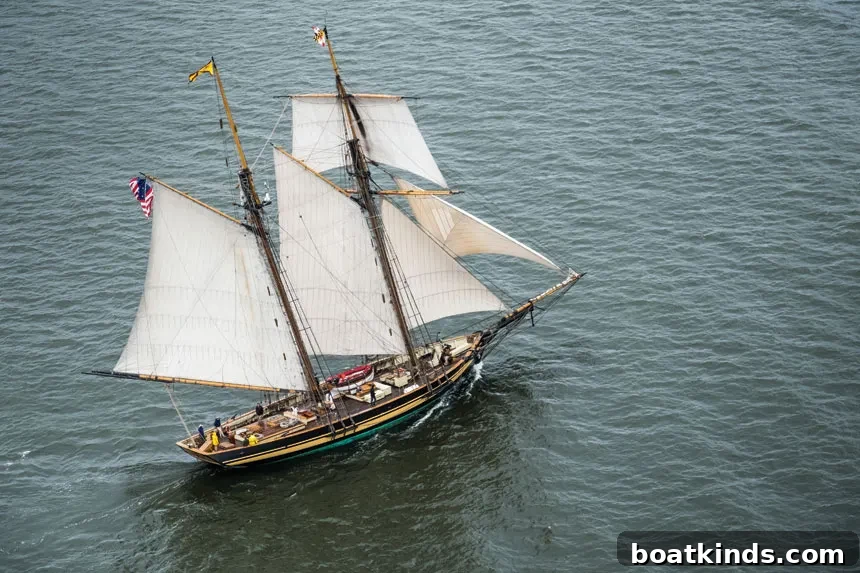
Pride of Baltimore II remains one of the world’s most revered tall ships, delighting crowds wherever she sails. We will use 2018 to reassess the ship’s future, working closely with our partners in the public and private sectors to make sure we don’t witness the end to Pride’s wonderful history. – Pride of Baltimore Inc., board chair Capt. Eric Nielsen, addressing financial concerns that could mothball Pride of Baltimore II indefinitely.
This article originally appeared in the May 2018 issue.
The Pride of Baltimore II is more than a vessel; she is a living symbol of maritime heritage and community pride. Built to honor the schooner tradition and serve as an ambassador for Maryland and American seafaring history, this tall ship has drawn admiration at festivals, educational events, and harbor celebrations worldwide. The statement from Pride of Baltimore Inc. and board chair Capt. Eric Nielsen highlights a critical moment: the organization planned to use 2018 to reassess the ship’s future in light of serious financial pressures.
Financial strains on historic vessels are not uncommon. Tall ships require constant maintenance, specialized crews, insurance, docking fees, and compliance with safety regulations—each demanding steady funding. When operating budgets tighten, organizations that steward these cultural assets face difficult choices: scale back sails and programming, enter temporary lay-up, seek emergency fundraising, or pursue partnerships that can sustain long-term operations. The reassessment announced by Pride of Baltimore Inc. focused on evaluating these options in partnership with local, state, and private stakeholders.
Preserving a ship like Pride of Baltimore II involves more than money—it requires vision and community involvement. Public-private partnerships can combine government support, corporate sponsorship, and philanthropic contributions with grassroots fundraising and volunteer engagement. Educational institutions, maritime museums, and sailing schools often collaborate to keep tall ships active as platforms for hands-on learning in seamanship, history, and STEM subjects. Such collaborations can broaden a ship’s funding base while reinforcing its role as an educational and cultural resource.
Any reassessment also weighs the ship’s mission against practical realities. Maintaining an active sailing schedule keeps the vessel visible and connected to the public, but it also increases wear and operating costs. Temporarily reducing itineraries or moving to a berth that lowers annual expenses are options that preserve the ship’s integrity while buying time to build sustainable funding. Alternatively, a focused capital campaign aimed at critical repairs and an endowment for operating expenses can provide longer-term security, though such campaigns require careful planning and community trust.
Community support is crucial. Residents, former crew, maritime enthusiasts, and local businesses often rally to save cherished ships when they face closure. Crowdfunding, benefit events, and legacy gifts are common tools used to generate immediate funds and demonstrate public commitment—an important factor when seeking grants or larger institutional support. Transparency about needs and plans helps maintain public confidence and encourages sustained contributions rather than one-time responses.
Beyond funding mechanics, the reassessment process typically examines programmatic impact. How many students and community members does the ship serve each year? What unique experiences or educational outcomes does she provide? Clear evidence of cultural and educational value strengthens the case for continued investment from both public agencies and private funders. Stewardship plans that include regular maintenance schedules, volunteer training, and contingency funds show readiness and responsible management.
The message from Pride of Baltimore Inc. was unequivocal in tone: the organization intended to take deliberate steps in 2018 to secure the vessel’s future. That process depended on collaboration across sectors and on demonstrating the tall ship’s ongoing relevance. For supporters, the moment called for advocacy, fundraising, and engagement to ensure that the Pride of Baltimore II would continue to sail as a living testament to maritime history.
Preserving historic ships is a community endeavor that balances passion with practicality. While finances may dictate difficult choices, thoughtful reassessment—rooted in partnerships, transparent planning, and public involvement—offers pathways to protect these irreplaceable symbols for future generations. The Pride of Baltimore II has long inspired sailors and spectators alike; the goal of those involved in the 2018 reassessment was to keep that inspiration alive.