
Willoughby Expedition Retraces 1897 Route to Assess Water Quality in the Everglades
In a modern echo of an 1897 journey, the 2022 Willoughby Expedition retraced the route of scientist and explorer Hugh de Laussat Willoughby through the Florida Everglades to measure contemporary human impacts on one of the world’s largest subtropical wildernesses. The team set out at the end of October and completed the route in early November, combining historical tribute with focused scientific research aimed at understanding how pollutants are affecting the Everglades’ fragile ecosystems.
The expedition began on October 27th in the Harney River on the Gulf of Mexico and concluded in Miami on November 2nd. The timing of the trip also commemorated the 75th anniversary of Everglades National Park, using the anniversary as an opportunity to draw attention to ongoing conservation challenges and to advance scientific monitoring in remote areas of the park.
Throughout the route, the Willoughby Expedition team collected water samples and other field data to track a suite of contaminants that increasingly threaten freshwater and estuarine habitats. The targeted analytes included microplastics, agricultural pesticides, commonly used pharmaceuticals, antibiotic-resistant genes, and environmental DNA (eDNA). Together, these measurements are intended to build a clearer picture of how modern pollutants move through Everglades waters and potentially affect plants and animals that depend on this unique landscape.
“The expedition was a success not in honoring our history, but in advancing the future of science,” said co-expedition leader Harvey E. Oyer III, reflecting on the dual purpose of the journey. By replicating a historic route and applying contemporary analytical techniques, the team aimed to link past narratives with current environmental science and conservation priorities.
Central to the expedition’s scientific effort was water chemistry and biological monitoring. Tracie Baker, the expedition’s lead scientist and noted as the first non-Indigenous female to cross the Everglades, focused on collecting and preserving water samples for laboratory analysis. These samples will be examined for chemical constituents, trace pollutants, and biological markers such as eDNA, which can reveal the presence of species without direct observation. Sampling in remote reaches of the Everglades provides critical baseline information for ongoing monitoring and management.
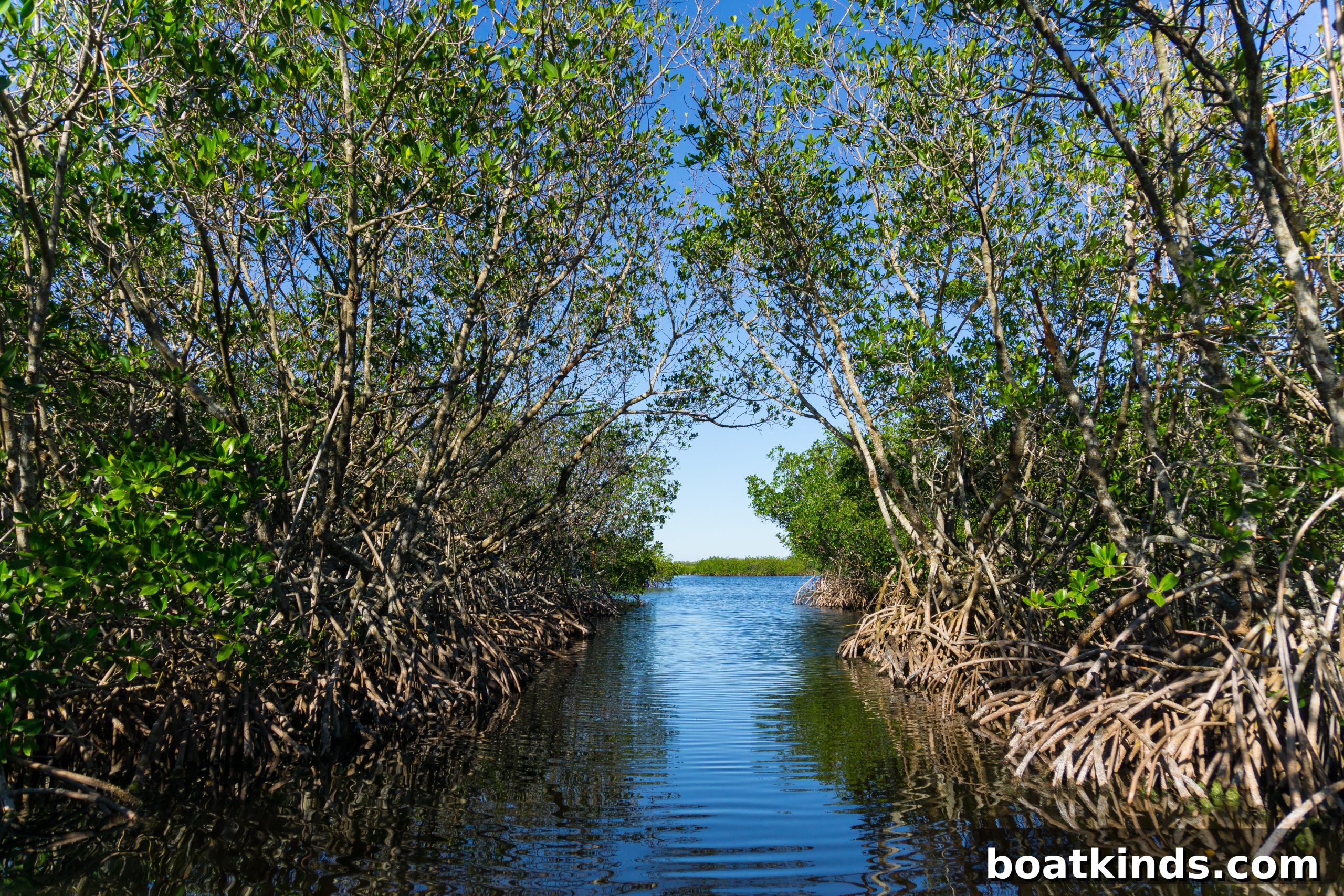
Microplastics and pesticide residues are of particular concern because they persist in the environment and can accumulate through food webs, potentially harming fish, birds, and other wildlife. Pharmaceuticals are also increasingly detected in freshwater systems and can affect organismal physiology even at low concentrations. Antibiotic-resistant genes present an additional human-health and ecological risk, as they may indicate the spread of resistance elements through environmental microbial communities.
Environmental DNA offers a complementary, noninvasive approach to traditional surveys. By analyzing traces of DNA shed into the water, scientists can detect fish, amphibians, reptiles, and invertebrates that are present in a given area. Combining eDNA results with chemical analyses gives researchers a more complete sense of how human-derived contaminants may be influencing biodiversity patterns across the park.
The Everglades are often described as the “environmental kidneys” of Florida because of their crucial role in filtering, storing, and redistributing freshwater across central and southern parts of the state. Protecting that service requires detailed, ongoing monitoring of water quality, pollutant pathways, and ecological health. Remote sampling efforts such as the Willoughby Expedition help fill gaps in geographic coverage and provide data from areas that may be difficult to access by conventional research vessels.
Within roughly a month after the fieldwork concluded, the research team expected to have their initial laboratory results processed and summarized. Those preliminary findings will be used to inform conservation planning for Everglades National Park and to prioritize future research needs. Early analyses are intended to guide more extensive follow-up studies that can assess trends over time and the effectiveness of management actions.
“The testing and analysis of remote Everglades water is new, cutting-edge research that we hope will give us more answers to human impact on this precious ecosystem,” said Oyer. The expedition highlights the value of combining historical perspective, field-based sampling, and modern laboratory techniques to better understand and protect a globally important subtropical wilderness.
As the Willoughby Expedition’s data are processed and interpreted, the information will contribute to the broader scientific and management dialogue about how to preserve water quality and biodiversity in the Everglades. Continued monitoring, targeted remediation efforts, and public awareness are all essential components of long-term conservation for this complex and vital landscape.