ReShark and Aquariums Work Together to Restore Endangered Shark Populations
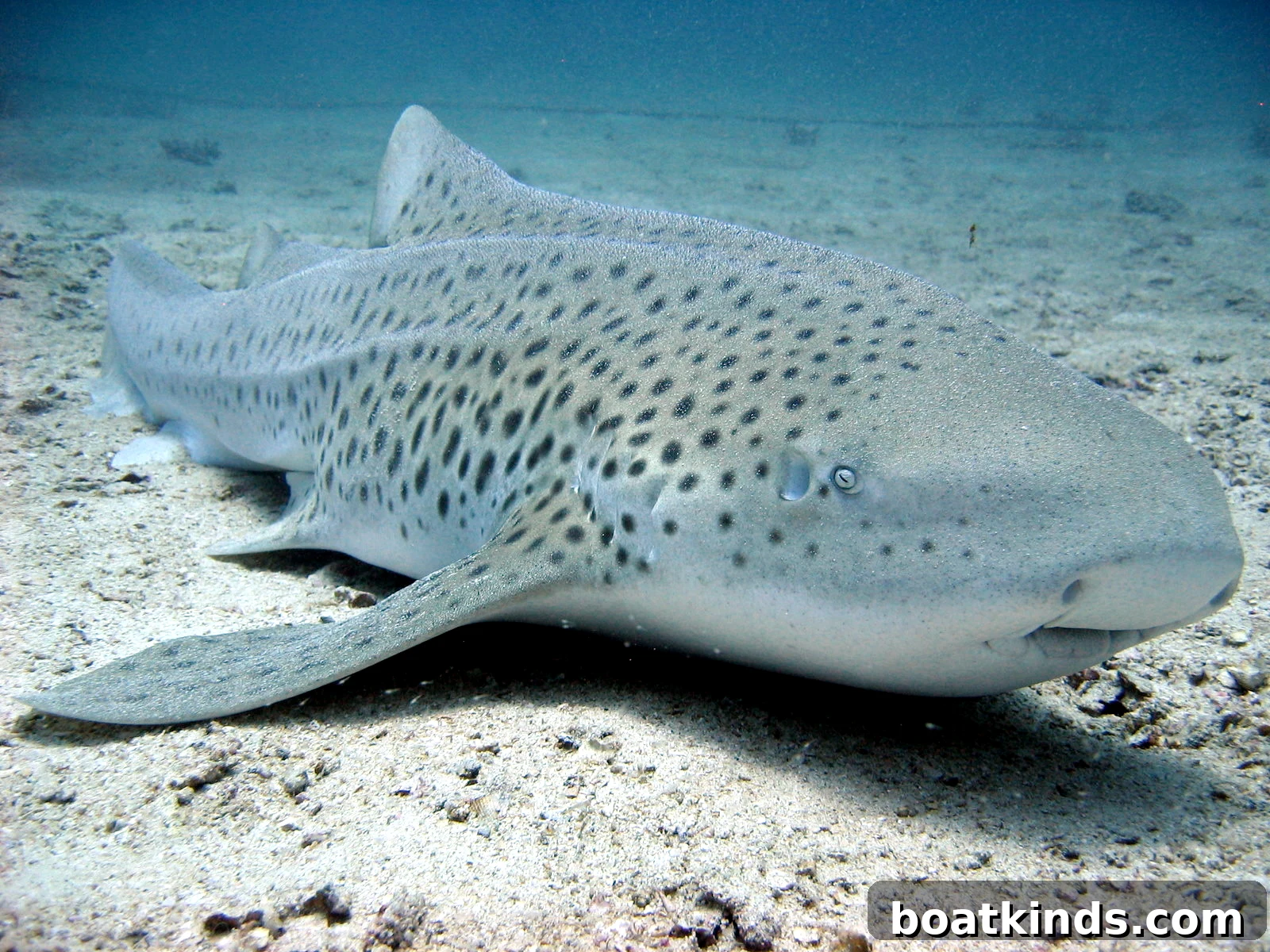
Shark populations worldwide are declining at an alarming rate, and one new conservation initiative is taking a hands-on approach to help bring threatened species back from the brink. ReShark, a collaborative conservation effort, partners with aquariums around the globe to incubate, rear and release endangered sharks into their native waters in hopes of rebuilding wild populations.
The ReShark network currently involves 44 aquariums across 15 countries. Participating institutions collect eggs from endangered shark species that are already in their care. Those eggs are transported to Indonesia, where they are hatched in protected enclosures and the juvenile sharks are raised until they reach a size deemed more likely to survive in the wild. Once the animals are robust enough, they are released into coastal waters with the aim of establishing self-sustaining wild populations.
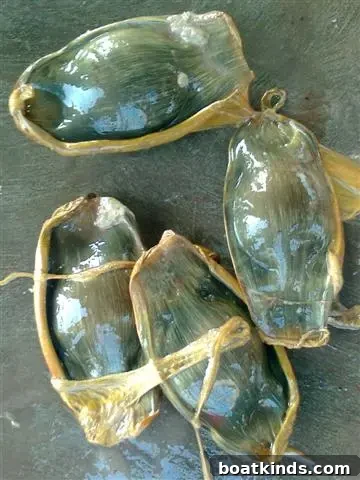
Recently, two 15-week-old zebra sharks were released into Indonesian waters as part of this program. Zebra sharks are currently facing severe population declines, largely because of overharvesting. These animals frequently fall victim to bycatch in commercial fisheries, and they are also targeted for their fins and oily meat. ReShark’s immediate goal for zebra sharks is to release at least 500 individuals to increase the likelihood of a self-sustaining wild population forming in suitable habitats.
Breeding and reintroducing marine species presents unique challenges compared with terrestrial conservation efforts. Sharks have specific life histories, movements and habitat needs, and their eggs and juveniles can be vulnerable to predation and environmental stress. ReShark’s approach—leveraging the expertise and controlled conditions of aquariums, combined with carefully managed rearing enclosures in coastal Indonesia—aims to give these young animals a stronger start before they face the many risks of open water.
The project builds on proven conservation principles: reduce early-life mortality by protecting juveniles until they reach a less vulnerable size, maintain genetic diversity by involving multiple institutions, and choose release sites where habitat conditions and protections offer the best chance for long-term survival. By coordinating among numerous aquariums, ReShark can increase breeding success and share husbandry knowledge to improve outcomes for a range of species.
Beyond the immediate goal of increasing numbers in the water, this effort also contributes to broader conservation priorities. ReShark raises public awareness about the threats sharks face and the ecological roles they play as predators that help maintain healthy ocean ecosystems. Participating aquariums serve as educational hubs where visitors can learn about marine conservation, the causes of shark decline such as overfishing and habitat loss, and how recovery efforts are designed and implemented.
While reintroduction is not a substitute for stronger fisheries management, habitat protection and enforcement against illegal harvesting, it can complement those measures by helping recover populations that have already been severely depleted. ReShark is also exploring whether the same model can be adapted for other shark species and rays in different regions, depending on species biology, local threats and the availability of appropriate release sites.
The initiative has attracted attention because rewilding sharks at sea is relatively rare compared with terrestrial reintroductions, making this a noteworthy step for marine conservation. ReShark’s partnership model—linking aquariums, local hatcheries and coastal communities—provides a practical framework for scaling up efforts if early releases prove successful.
For more detailed reporting on the project and its conservation context, see the feature coverage in National Geographic.
ReShark
Read the National Geographic story