
Describe life on Chesapeake Bay and it’s difficult not to mention the iconic, temperamental blue crab. From cracking open a mess of spicy steamed crabs to frying a Maryland-style crab cake for the perfect sandwich, blue crabs are central to the region’s culinary culture and local economy. Of the Bay’s species, the blue crab has historically been the most resilient in the face of habitat loss, pollution and heavy fishing pressure.
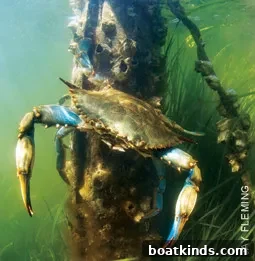
So when recreational crabbers and commercial watermen returned to long-standing Chesapeake hot spots this season to find what felt like a blue-crab desert, alarms began to sound. In previous years, most anyone with a few hours and some patience could gather a couple dozen crabs for dinner, even in lean seasons. This year, many people spent hours on the water and came home with empty bushel baskets. Commercial harvesters with hundreds of pots also reported dismal catches.
Why this sudden scarcity is so troubling is not just about dinner plans. Experienced crabbing veterans say they can’t recall ever coming home without a single crab; it simply had not happened before. Even when other keystone species — oysters and striped bass — experienced dramatic declines, blue crabs remained a dependable resource for both commercial and recreational fishers. If blue crab populations are now at risk, it raises serious questions about the Chesapeake Bay’s overall health.
The primary assessment tool for blue crab abundance is the annual Blue Crab Winter Dredge Survey. Conducted during winter when crabs are relatively immobile and sheltering in the Bay’s muddy bottom, the survey samples more than 1,500 sites to estimate the total blue crab population. The results include breakdowns by life stage, such as spawning-age females and juveniles, which fisheries managers in Maryland and Virginia use to make targeted conservation and harvest-management decisions.
Over the last two decades the Winter Dredge Survey has shown significant peaks and valleys, but the past seven years have been especially volatile. Between 2000 and 2006 the Bay averaged about 318 million crabs; in 2007 numbers plunged to 251 million — the lowest recorded by the survey. When 2008 counts failed to rebound and registered about 293 million crabs, the U.S. Department of Commerce declared the Chesapeake blue crab fishery a federal disaster. That declaration unlocked more than $10 million in federal assistance intended to support watermen and management efforts.
Maryland and Virginia quickly implemented regulations aimed at rebuilding the population, especially the number of spawning-age females. Maryland banned recreational harvest of female crabs, adjusted size limits, and applied seasonal closures and bag limits on commercial female harvests. Virginia took one of the most consequential steps by closing its winter crab dredge season for the first time — an activity critics said disproportionately targeted post-spawn females that overwinter in the Lower Bay and would otherwise broadcast millions of fertilized eggs in spring.
If the Winter Dredge Survey is a reliable management yardstick, the measures worked. By 2010 the total count rose to 663 million crabs — the highest since 1997. Numbers dipped to 452 million in 2011 but then climbed to 765 million in 2012, suggesting a strong recovery. The rebound prompted statewide celebration, with Maryland officials publicly heralding the recovery in blue crab management. But the improvement proved short-lived.
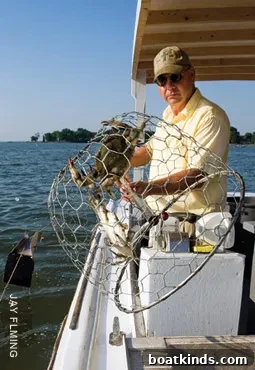
The 2013 survey brought alarm. Although spawning-age females numbered a healthy 147 million, the overall population fell to 300 million — the lowest since 2007. Many hoped for a rapid recovery because of the high number of reproductively mature females. Instead, the 2014 survey showed further decline: total population dipped to 297 million and spawning-age females dropped to 69 million, below the commonly accepted minimum threshold of 70 million.
When recreational and commercial crabbers returned to the water and found crabs nearly absent, concern turned to panic. Outdoor writers called for a full harvest moratorium, pointing to the striped bass recovery after a 1980s moratorium as precedent. Conservation groups urged tighter limits on female harvest, and even a group of Virginia watermen publicly sought improved management solutions — notable because watermen traditionally resist restrictive measures. Maryland launched a “Don’t Get Pinched” initiative aimed at curbing illegal harvest to protect remaining crabs, though neither state had proposed major new regulations at that time.
Explanations for sudden declines in crab numbers tend to multiply when the survey shows trouble. After the 2007–2008 slump some blamed predation by an abundant striped bass population. In 2013 managers and scientists pointed to a surge of red drum (redfish), known crab predators, as a possible cause. Other researchers have noted the blue crab’s cannibalistic tendencies as a factor in certain years. For the 2014 downturn, scientists cited an unusually harsh winter and associated die-off as a likely contributor.
Whether Chesapeake Bay’s blue crab population will rebound as it has in prior recoveries remains uncertain. Managers, watermen and the public are watching closely; the results of the next Winter Dredge Survey will be scrutinized for signs of recovery or further decline. Until then, the future of this culturally and economically important crustacean is anyone’s guess.
October 2014 issue