
Daniela Moroz and Ravi Parent: Foiling Champions Redefining High-Performance Sailing
Each year the most accomplished sailors receive the same iconic timepieces once awarded to legends such as Ted Turner and Dennis Conner. This year the Rolex Yachtswoman and Yachtsman of the Year titles went to two sailors pushing a new era of small-boat high performance: Daniela Moroz and Ravi Parent. Their boats no longer rely on heavy lead keels; they ride on foils and literally fly above the water, requiring fast reflexes, precise feel and a unique blend of balance and strength.
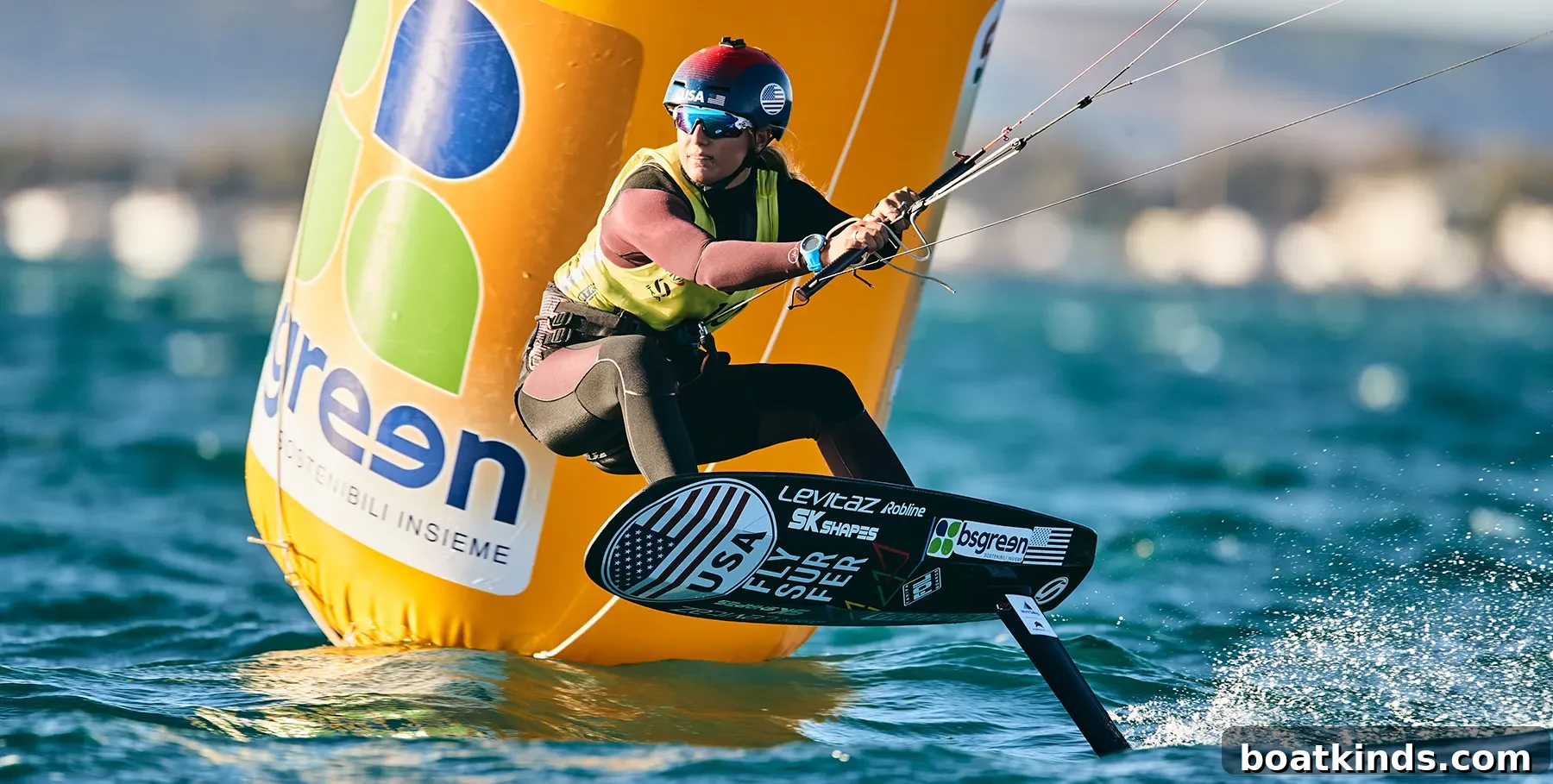
Ravi Parent, 25, enjoyed a breakthrough season, winning world titles in both the A-Cat and F18 catamaran classes and claiming the F18 European crown. Daniela Moroz, already dominant in the Olympic Formula Kite class, recovered from a mid-season slump to capture a sixth consecutive world title—and earned her fourth Rolex the same night she turned 22.
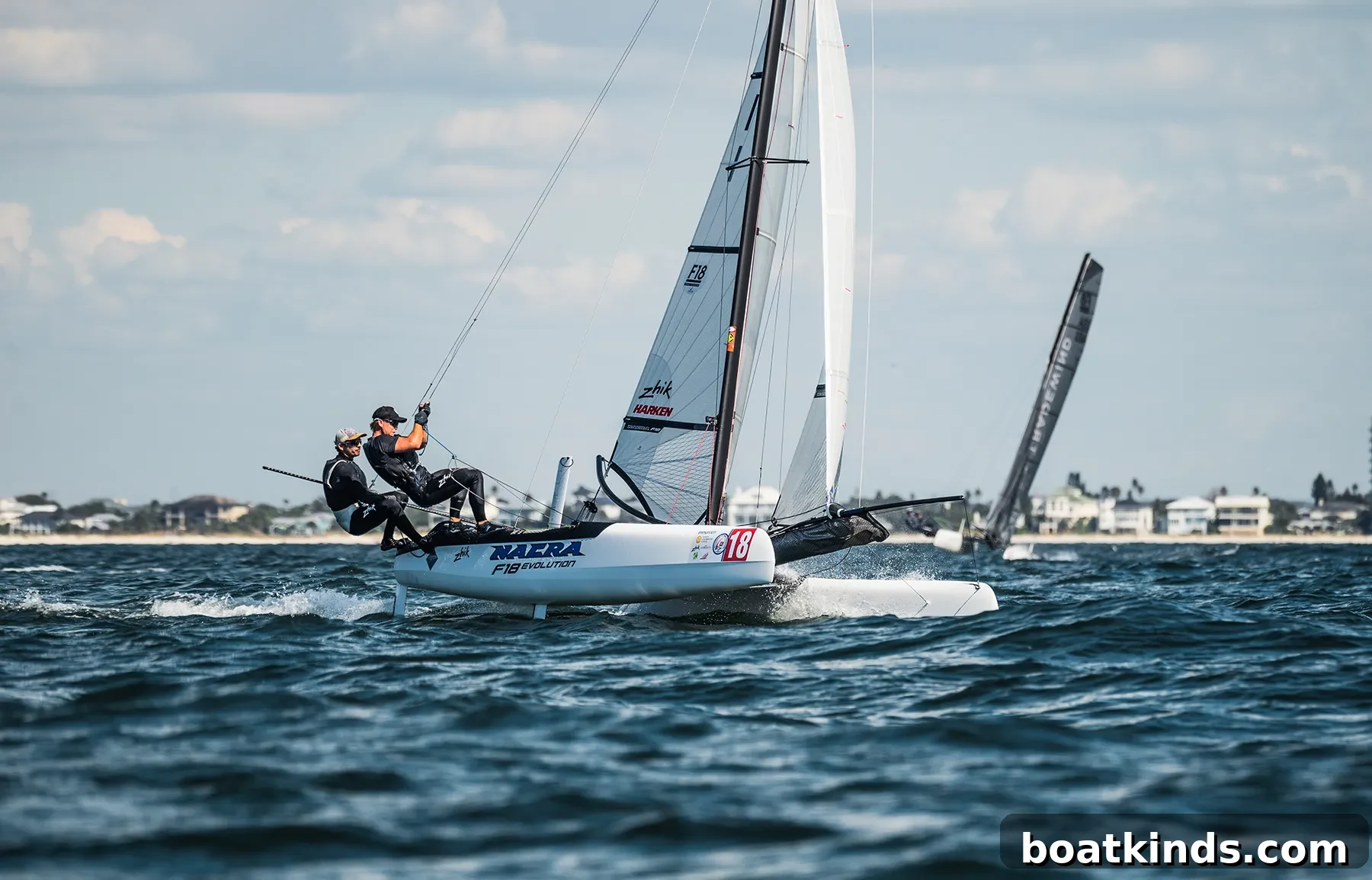
Their paths differ, but both athletes share a commitment to long hours of focused training and careful equipment preparation. “I feel the boat, I can feel the wind, I can feel the water,” Parent says. “I remind myself to live in the moment… foiling and going fast.” Moroz describes the Formula Kite as “the most feel-based Olympic class,” where a subtle edge in sensation and timing can prevent a race-ending wipeout.
Daniela Moroz: Technique, Data and a Mental Reset
Moroz burst into international prominence at 15 when she won the 2016 Formula Kite world championship. She learned to kite-foil on windy San Francisco Bay and early on often raced against heavier male sailors. That competitive context forced her to refine technique over relying on weight. Coming from a family of windsurfers, she made the most of the early experience and has won every women’s world title since 2016 except for the cancelled 2020 event.
When Formula Kite was chosen for the 2024 Olympics she became the immediate favorite. Moroz paused her business studies at the University of Hawaii to train full-time, and as international competition intensified she hit a rough patch. Rather than blaming herself alone when speed issues persisted, she investigated equipment and overhauled her support team.
She hired Chris Rashley, a former foiling Moth champion, as a full-time coach and conducted a three-week comparison test of 17 kites before the 2022 World Championships in Italy. She also enlisted Nathan Berg to build a data-driven equipment program that brought more organization and technical clarity to her campaign. To avoid burnout, she took a short break wing-foiling with friends, then returned mentally refreshed and physically stronger after focused gym work, mindfulness training and sport psychology.
At the World Championship in Cagliari, Sardinia, Moroz dominated—winning every qualifying race and entering the finals as the top seed with a significant advantage. Facing variable winds, she trusted her choices, stayed composed when rivals had equipment or handling issues, and closed out the title decisively. Her immediate focus moved to 2023 as preparation for the Olympic campaign: targeted regattas, Test Events at Marseille and the World Championships, and continuing full-time training.
Ravi Parent: Engineering Insight Meets On-Water Instinct
Parent’s sailing began in Florida on a Manatee River pram and progressed through youth programs to high-performance catamarans at the Sarasota Sailing Squadron. He enjoyed the camaraderie of camps and weekend racing, but always pushed to go faster. The technical side of boats appealed to him—he’s the sort of sailor who likes to “fiddle” with setup and understand how things work.
As a teenager he won national youth titles and placed strongly at international youth events. While studying engineering at Boston University he campaigned a foiling Nacra 17 for the U.S. Sailing Team, then took a part-time role with Morelli & Melvin, a leading catamaran design shop, which sharpened his understanding of foil design and construction.
That technical knowledge complements his feel on the water. Parent says his Olympic campaign taught him life skills: how to structure training, logistics and recovery to maximize time on the water. After Covid-related delays to the A-Cat World Championship, the extra time allowed more preparation, and when the event finally ran in Houston in 2022 he won three of the first four races and took the title.
Success in the A-Cat spilled over to the F18. Loaned boats from designers such as Pete Melvin gave him the equipment to be competitive; with crew partners like Nick Lovisa and later Severin Gramm, Parent developed the teamwork and tuning that secured victories at the F18 America’s Championship, the European Championship on Lake Garda and the F18 Worlds in Clearwater.
Training, Tuning and the Day-by-Day Grind
Both sailors emphasize incremental improvements—better kit choices, organized equipment programs, targeted physical training and psychological preparation. Moroz’s approach combined technical testing, strength work and mental routines. Parent balanced foil design knowledge with disciplined practice and campaign organization.
Looking ahead, Moroz plans a year of major events to sharpen Olympic preparation, competing in Miami, Clearwater and European regattas, including the Marseille Test Event and the 2023 World Championships. Parent intends to defend his A-Cat and F18 titles in Europe and expand his skill set by racing the foiling Moth dinghy, including a planned entry to a large Moth World Championship in England to broaden his singlehanded foiling experience.
Their shared message is practical: avoid unrealistic expectations, commit to daily work and accept that progress comes one session at a time. “You have to go into every regatta without expectations out of the park,” Parent says. “Sail every day—take every day, one at a time.” Moroz sums it up simply: “You really need to fall in love with the process and love the everyday grind.”
This article was originally published in the May 2023 issue.