
An onboard fire can start in many ways: a dish towel sliding onto a hot stove, a corroded shore-power inlet sparking while you sleep, or a battery connection that overheats. Alarms and suppression systems can warn you and help extinguish a blaze, but prevention is the most effective strategy. The less likely a fire is to start, the less likely you are to face a dangerous situation at sea.
Below are practical, professionally minded tips for preventing fires on boats, plus guidance on preparing and responding if a fire does occur.
The Basics
Proper installation and routine maintenance of a vessel’s systems are the foundation of marine fire safety. Good housekeeping is equally important: keep combustible materials away from heat sources, and maintain tidy, unobstructed access to critical systems so you can respond quickly if an alarm sounds. Clutter can delay action and allow flames to spread.
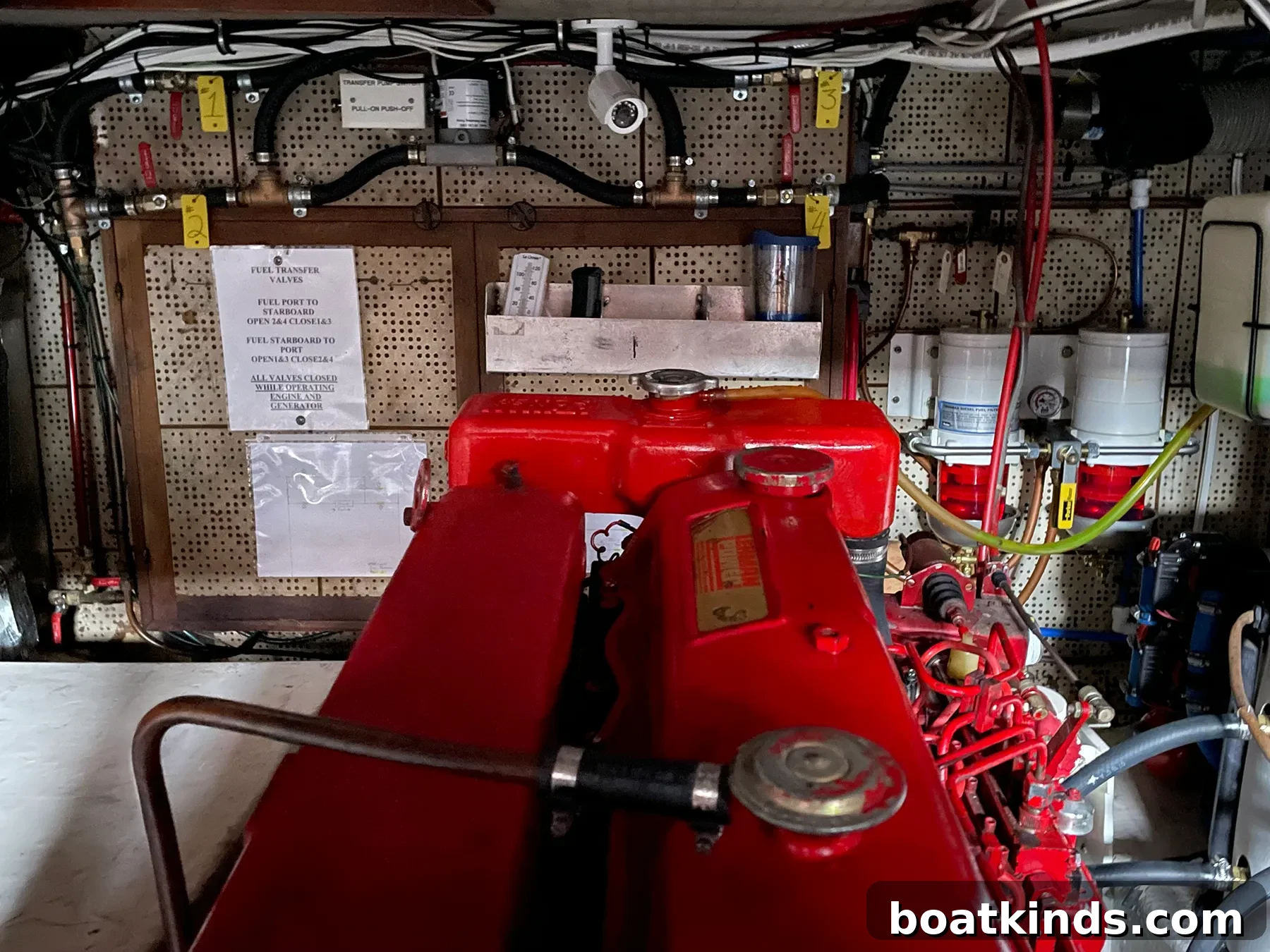
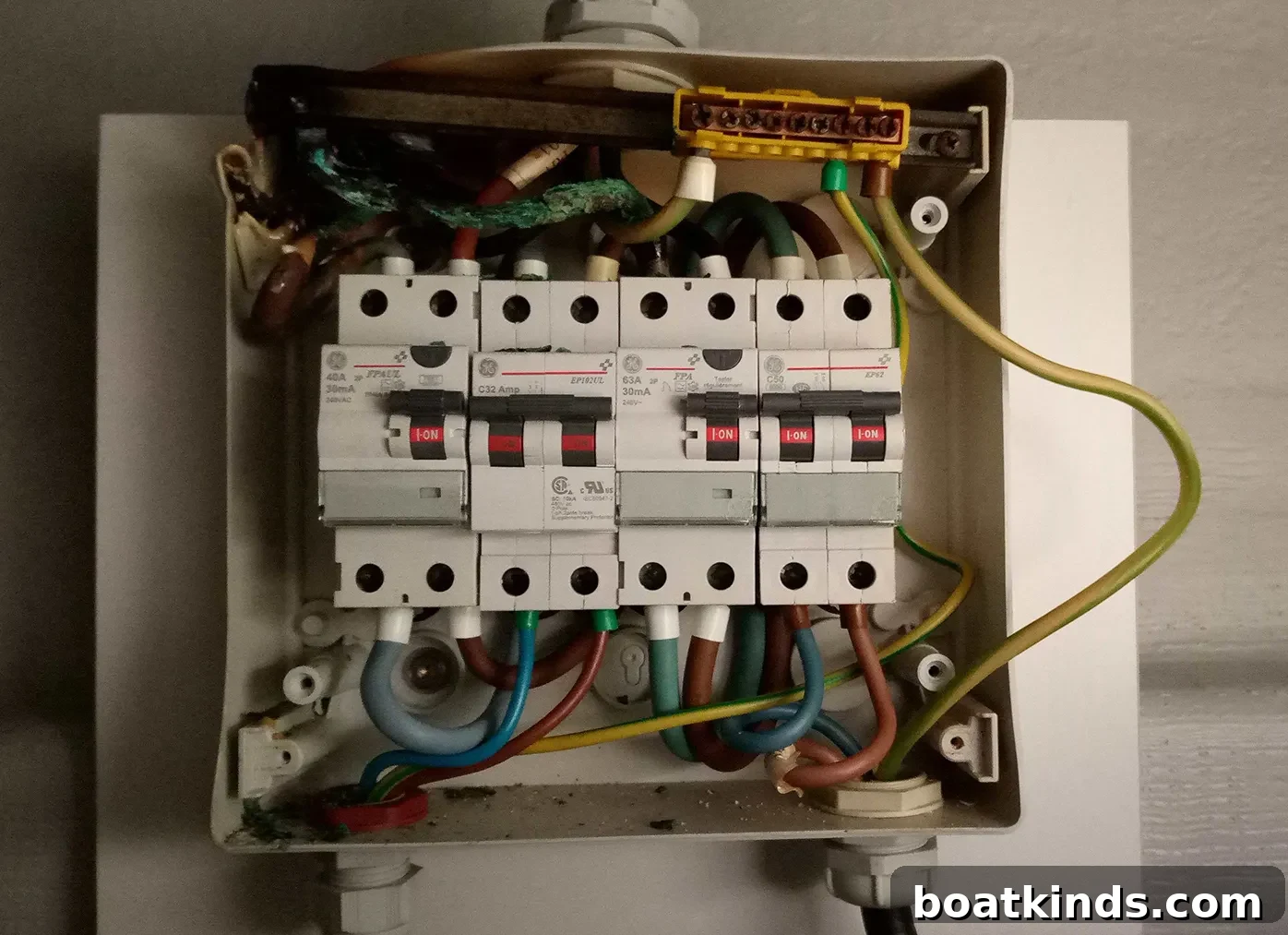
Electrical faults are a common cause of boat fires. Ensure wiring follows American Boat and Yacht Council (ABYC) standards, with correctly sized overcurrent protection (fuses and breakers) and secure, low-resistance connections. High-resistance joints may not trip a breaker but can generate enough heat to ignite insulation or nearby materials.
Pay special attention to high-amperage and frequently-vibrating circuits, such as shore-power inlets, battery banks and switches, windlasses, thrusters, and alternator or charger connections. Vibration can loosen terminals, so tie and secure wiring per ABYC recommendations, protect connections from accidental exposure, and routinely check torque at terminal points.
As battery systems evolve—larger banks and faster chemistries—verify that fuses and circuit breakers are rated to interrupt potential fault currents. Protection sized only for an older, lower-capacity battery may fail under a short, allowing conductors to overheat and start a fire. Upgrade circuit protection whenever the electrical system is changed or the battery capacity is increased.
In the Galley
The galley is a frequent source of onboard fires. Whether using alcohol, propane, or electric heat, keep the area around cooktops free from towels, paper, plastics and other combustibles. Install heat shields, effective ventilation hoods, and sufficient counter space into the galley layout. Position fire blankets, extinguishers, and a propane solenoid shut-off within easy reach—but not directly above the stove where a flame could block access.
If your boat has sufficient AC generation, induction cooktops are a safer option: they heat quickly without open flames or exposed hot elements. For small flare-ups, a fire blanket can smother flames cleanly; use an extinguisher when the fire cannot be contained by smothering.
In Engine Rooms
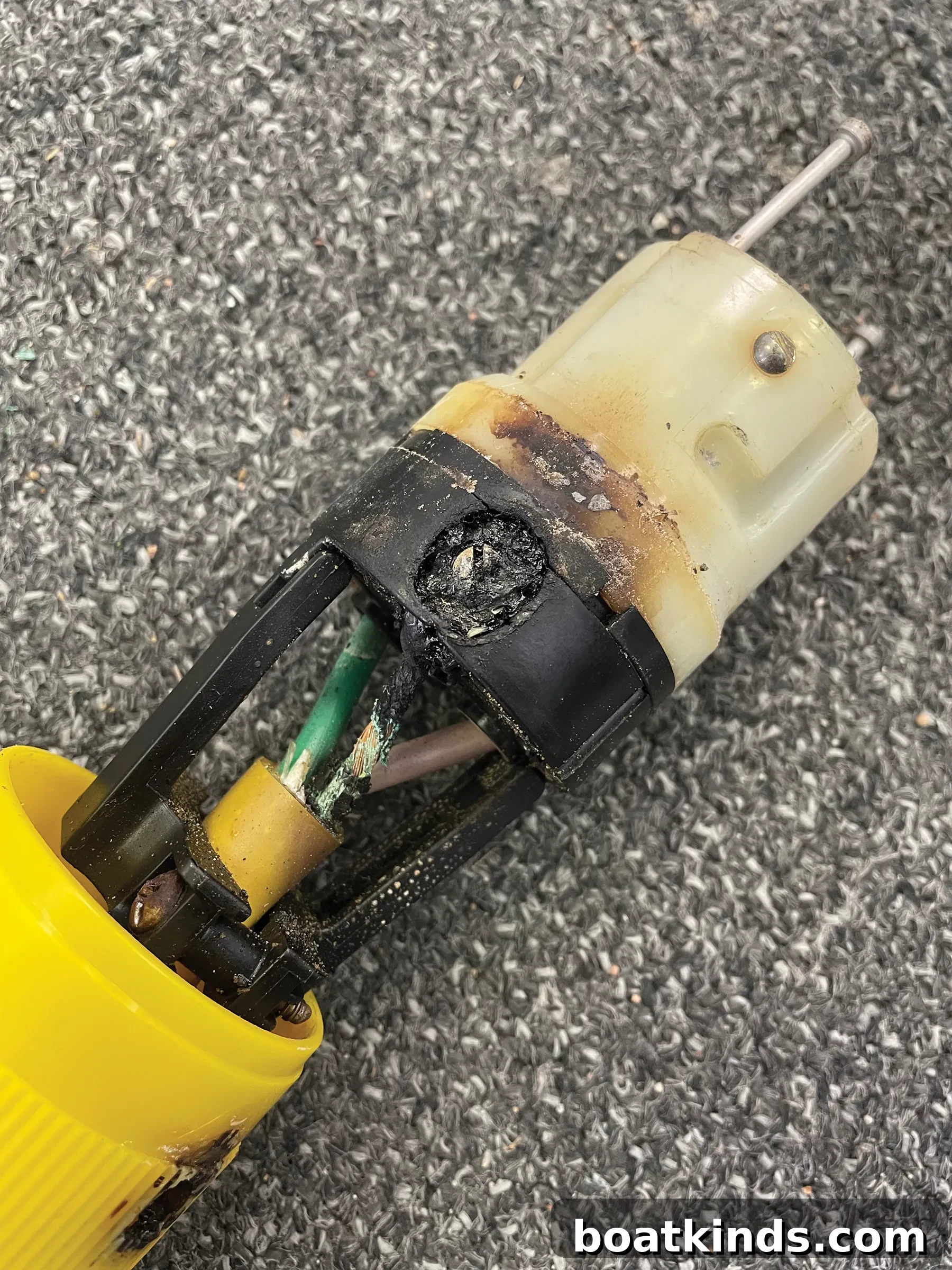
Cooling-system failures can overheat the engine and exhaust, presenting a serious fire risk. Install exhaust over-temperature alarms where appropriate; these are an ABYC requirement for new vessels. For wet-exhaust systems, insulate the dry section of exhaust before the water-injection elbow with high-temperature lagging and keep it below safe operating temperatures.
Support and secure exhaust piping to prevent flexing that can cause leaks or contact with combustible components. Use touchless pyrometers or handheld thermal cameras to scan for hot spots during routine checks—these tools quickly identify overheating exhausts, electrical components, or bearings before they become fires.
Remote cameras and temperature sensors add valuable monitoring capability, particularly when the engine room is unattended while underway. And never tolerate fuel leaks: inspect fuel hoses and fittings regularly, following the hose manufacturer’s recommended service life. While the engine idles, trace the fuel path from tank through filters and fittings, checking each joint with a dry paper towel to detect seepage.
Smoke Detectors
Install marine-rated smoke detectors wired to the boat’s DC system so a failed 9-volt battery won’t disable them. Household smoke or combination smoke/CO detectors can work on board if their batteries are checked and replaced at least annually. Consider interconnected detectors that trigger ship-wide alarms and units that notify a phone or monitoring system if the boat has Wi‑Fi. Remote monitoring services can also relay alarm events when you’re away.
Fighting Fire
Carry handheld fire extinguishers rated for the likely onboard fire classes and labeled “marine type.” For most boats, extinguishers should be at least B-rated (for flammable liquids) and, where electrical risks exist, suitable for Class C fires as well. A-type ratings cover ordinary combustibles such as wood and paper. Check manufacturer guidance and U.S. Coast Guard rules for required types, sizes, quantities, and placement of extinguishers aboard your vessel.
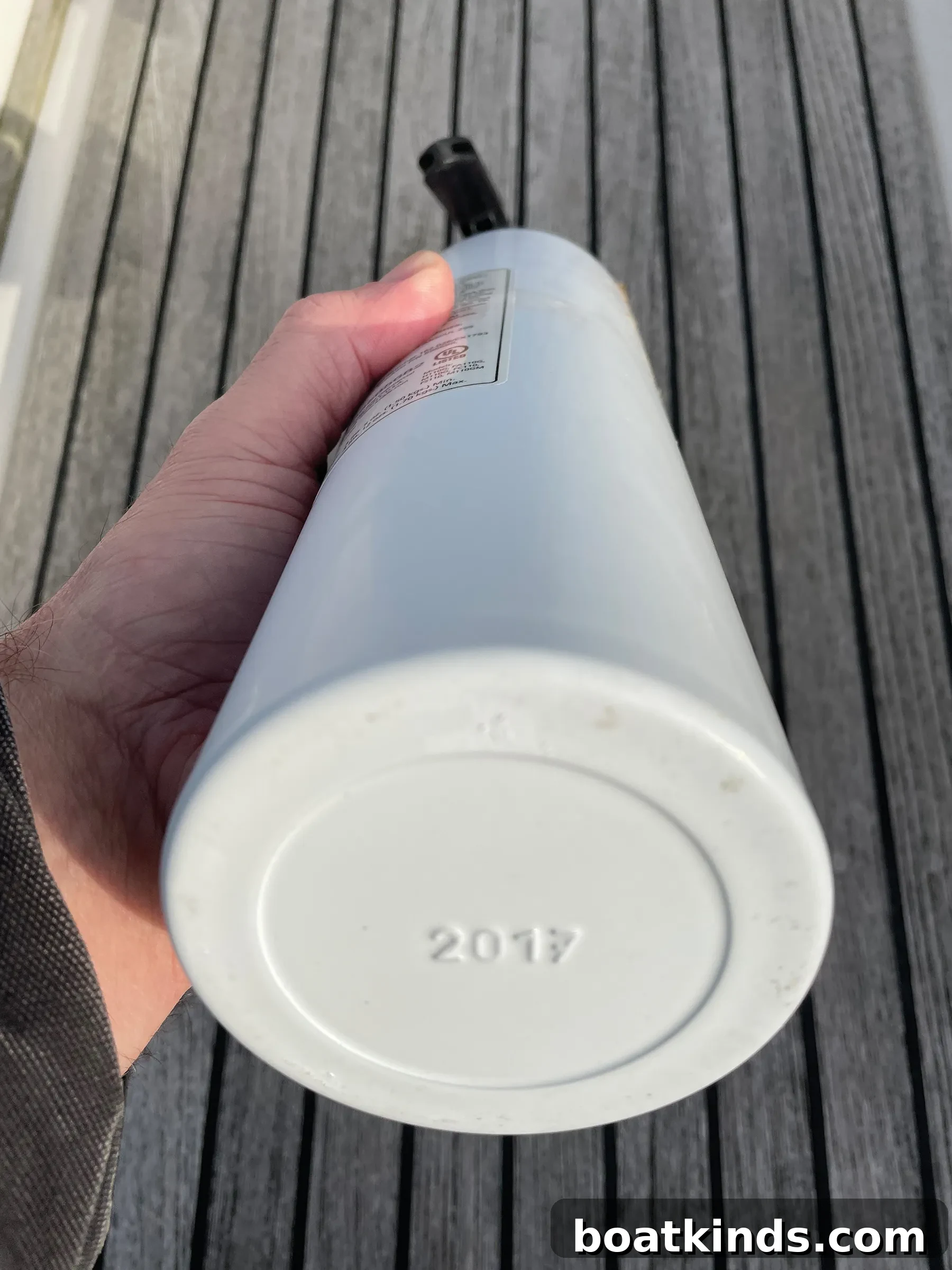
Disposable extinguishers (often with plastic handles) typically should be replaced every 12 years. Refillable units can be professionally serviced; many owners find annual inspection and periodic recertification a prudent practice.
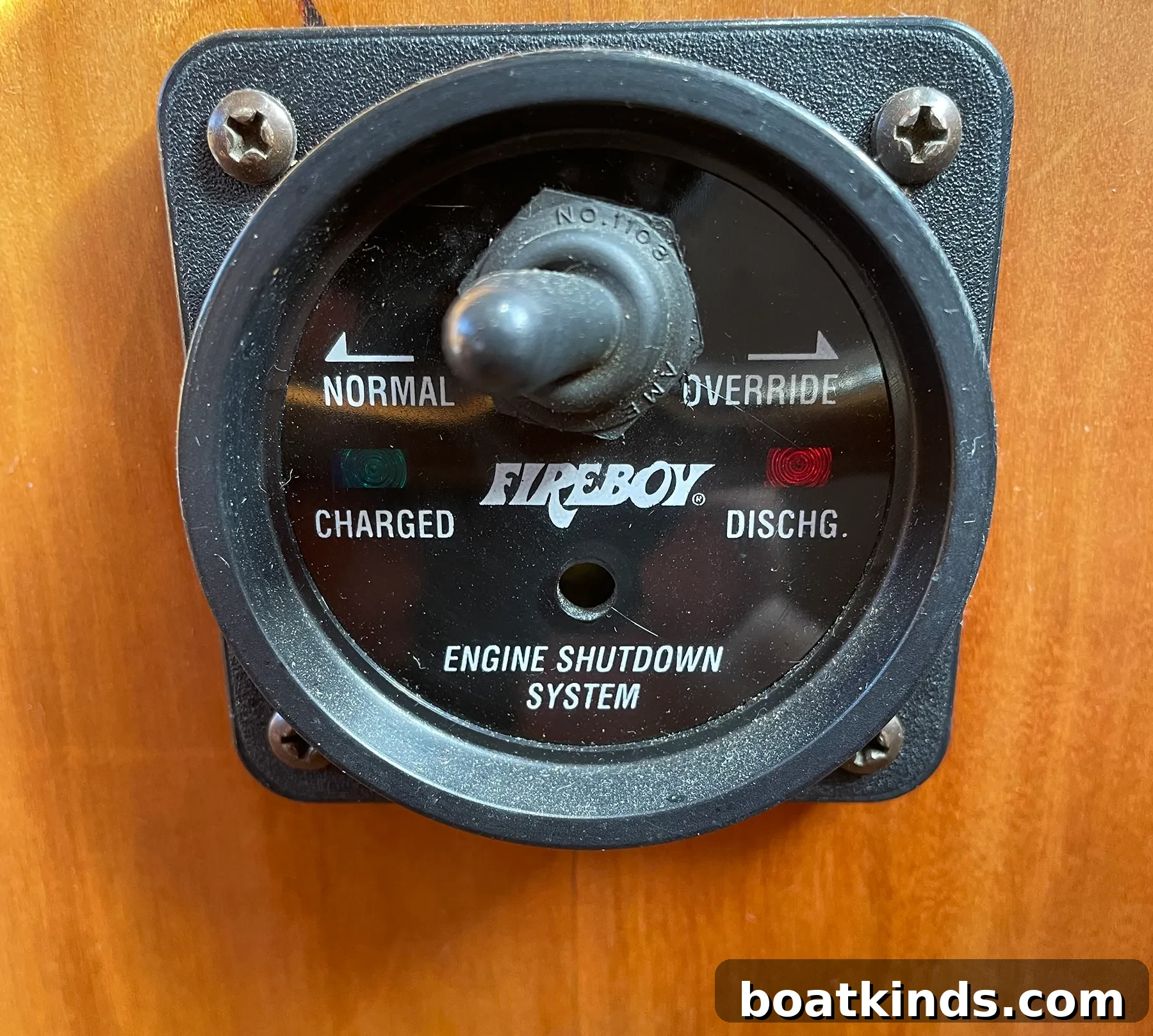
Fixed fire-suppression systems from reputable manufacturers provide additional protection in engine rooms and enclosed spaces. These systems use a stored firefighting agent released by a breakable vial or an automatic heat-activated trigger. To avoid wasting agent through running intakes, installation should include automatic shutdowns that stop engines, generators, and blowers when the system discharges. Larger vessels may need automatic intake louvers and helm indicators that show a discharge and allow controlled restart if necessary.
Lithium-based battery banks present special challenges because traditional extinguishers are often ineffective against thermal runaway. Some designers place lithium banks low in the hull and provide seacocks to flood the compartment if necessary, since flooding the area may be preferable to a battery burning through the hull. High-capacity washdown pumps, accessible shore or raw-water spigots, and long hoses can be lifesaving if power remains available.
When fighting any fire, isolate the source where possible. Cut electrical power by tripping breakers and battery switches for electrical fires. Shut fuel valves and propane solenoids for fuel-fed fires; remote shutoffs are particularly valuable when access is blocked by heat or smoke. If engine-room access is unsafe, focus on shutting systems remotely and protecting escape routes.
Exit Strategies
Plan escape routes before an emergency occurs. Ensure every compartment, especially sleeping areas, has a secondary exit in case a primary doorway is obstructed. Brief all guests on emergency exits, the location and use of firefighting gear, and where life jackets are stored. Practice quick deployment of life rafts, tenders, and ditch bags so that they can be launched in minutes, possibly without electrical power.
If a fire overwhelms you, abandoning ship is a valid and sometimes necessary decision. No boat is worth a human life. Thorough prevention, clear procedures, and calm, practiced responses give you the best chance to control a fire and avoid that choice.
This story was originally published in our sister publication, PassageMaker Magazine and appears in Soundings August 2023 issue.