Guide to the Viking Route: High-Latitude Sailing and Ice Navigation
Curious about the ocean routes once used by seafaring Norse explorers? The high-latitude passages often called the Viking Route present a distinctive cruising experience. For sailors considering cold-water passagemaking, the Cruising Club of America has published a practical reference titled CCA Essential Passage Guide to the Viking Route. Edited by William Strassberg, MD, this guide compiles real-world experience and focused advice to help modern cruisers safely plan and execute voyages through these northern waters.
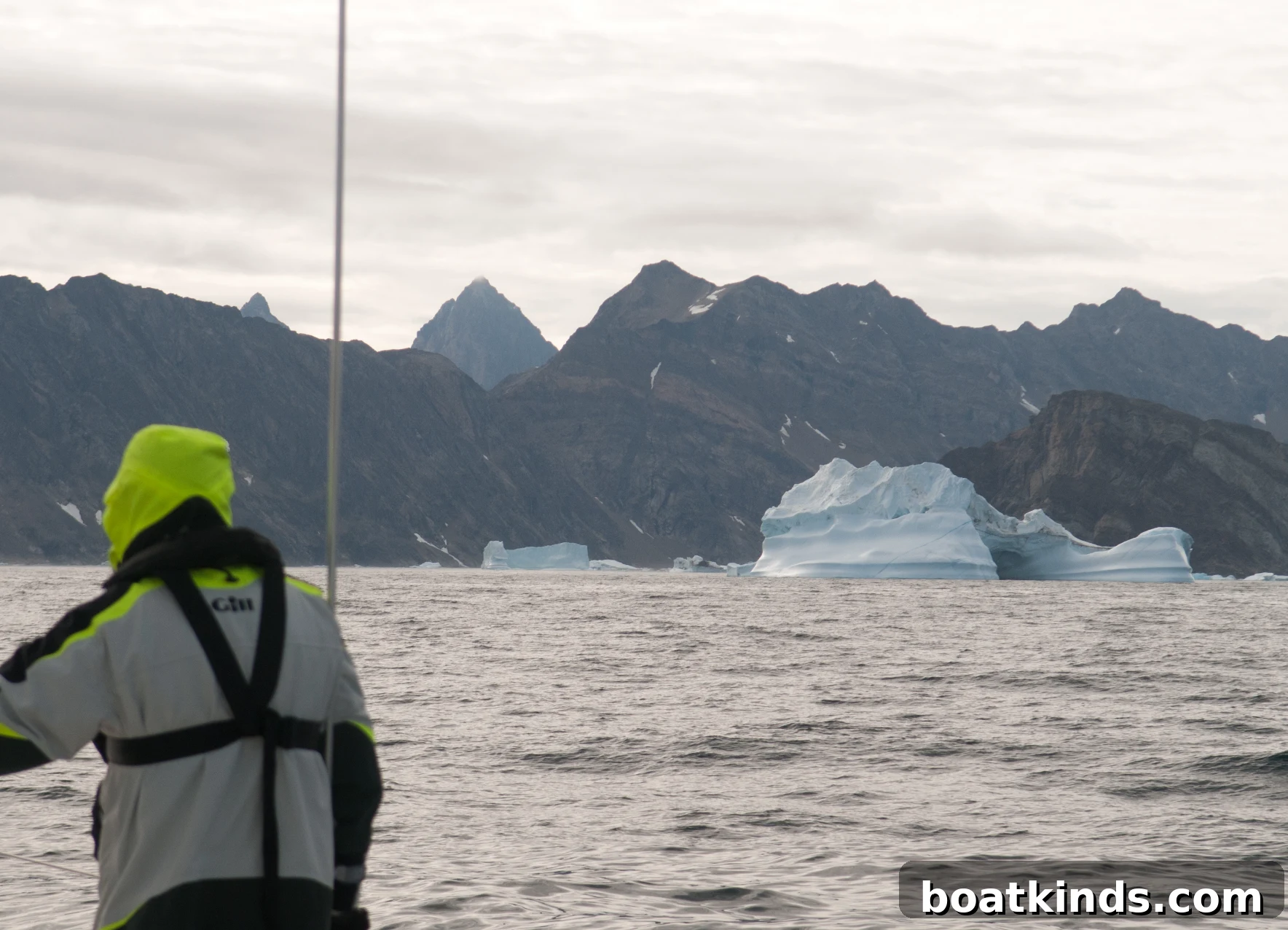
The guide is aimed at sailors who want more than a summer coastal cruise. High-latitude sailing and ice navigation demand specific preparation: reinforced hulls, cold-weather systems, careful route planning, and an understanding of seasonal weather and sea-ice behavior. As an experienced Viking Route passagemaker himself, Strassberg organizes contributions from other seasoned Cruising Club of America members to address the technical, practical and safety aspects of these voyages.
What the Guide Covers
The content focuses on the critical topics every skipper must consider for high-latitude cruising. That includes boat outfitting for ice-prone waters, engine and electrical system readiness, methods for preventing and managing ice accumulation, heating and insulation strategies, and appropriate safety and survival equipment for cold-water immersion. It discusses communications and electronic safety gear, from reliable VHF and satellite options to emergency beacons and AIS, and the importance of regular chart and weather updates.
Weather and timing are central themes. The guide explains how seasonal windows, local microclimates, and rapidly changing conditions influence route choices and daily decisions underway. It emphasizes conservative passage planning: selecting weather windows, building contingency plans, and ensuring crew competence for watchstanding and cold-weather operations.
Practical Advice for Skippers and Crews
Beyond systems and gear, the guide addresses human factors: training for cold-water survival, crew rotation, and the psychology of prolonged watches in demanding conditions. It highlights the need for familiar, practiced procedures—man-overboard recovery in frigid water, hypothermia prevention, and fire response inside a tightly insulated cabin. The guide also recommends checklists for pre-departure inspections, redundant systems, fuel and water margins, and emergency rendezvous plans with local authorities or support vessels.
Choosing Harbors and Shore Activities
Part of the guide is devoted to selecting ports and anchorages that combine practicality with cultural and historical interest. High-latitude harbors vary widely in accessibility, services, and seasonal availability. The guide helps sailors identify sheltered anchorages, reliable marinas or tenders, and shore facilities that support repairs, provisioning, and crew rest. It also highlights how to balance exploration and safety—choosing stops that offer meaningful history or outdoor activities while remaining strategically positioned for weather or mechanical contingencies.
Who Should Use This Guide
The CCA Essential Passage Guide to the Viking Route is intended for experienced cruisers looking to step up to cold-water passagemaking as well as owners preparing a vessel for extended northern voyages. It is less about recreational day sailing and more about the comprehensive preparation needed for multi-day to multi-week passages through areas where ice, cold, and limited infrastructure add complexity.
Planning, Safety and Environmental Respect
Good planning and respect for the environment are recurring recommendations. The guide stresses minimizing environmental impact, following local regulations, and practicing responsible waste management and wildlife avoidance. It encourages sailors to leave minimal footprint while enjoying remote landscapes and fragile ecosystems.
If you are considering a voyage along the Viking Route or planning to outfit a boat for high-latitude cruising, consult the Cruising Club of America for the full guide and detailed route information. The CCA guide is a practical resource for skippers who want thorough, experience-based direction on equipment, procedures and prudent decision-making for cold-water passagemaking.