
How to Buy the Right Boat: A Practical Guide
Regardless of a boat’s age, an informed approach will save you time, money and headache. The current market favors buyers, so if your circumstances allow, now is a good time to shop. Success comes from being a discerning buyer—knowing what to look for and matching a boat to the way you and your family actually use it.
No single model fits everyone. Start by re-evaluating how you spend time on the water and what you realistically need. If you rarely overnight, an open boat with a basic head—center consoles, dual consoles or bowriders—might suit you. If you fish or head offshore regularly, hull design, range and seaworthiness become priorities. If you pull skiers or wakeboarders, focus on acceleration and available torque with a full load. If boarding a flybridge is becoming a chore, consider an express- or sedan-style layout instead.
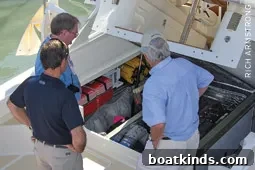
Think About Size, Power and Operating Costs
Many buyers find it sensible to downsize. Smaller boats are cheaper to buy, tow, maintain and power. If you tow, a lighter outboard-powered boat paired with a fuel-efficient SUV can reduce total ownership costs. Conversely, owners of fast, twin-engine gas cruisers sometimes trade to slower, single-diesel trawlers for far better fuel economy and simpler systems. Balance acquisition price with long-term operating and maintenance costs—fuel, insurance, storage, and repairs.
New Boats: Pros and Cons
Buying new has advantages. New boats carry full warranties and dealer support, which can deliver peace of mind—especially for larger or more complex vessels. Dealers often run incentives on current or leftover inventory, so good deals are available. A reputable dealer who stands behind their work can be as valuable as the boat itself. When possible, choose a manufacturer and dealer with a strong financial and service track record.
Used Boats: Where You Can Save—and Where to Be Careful
Used boats can offer excellent value, especially if you or a trusted mechanic can do some of the work yourself. Late-model used boats may still have remaining factory warranty coverage—check it. Extreme bargains at auction can be tempting, but ongoing reliability matters. I’d rather own a smaller, newer, dependable boat than a large vessel that’s constantly in the shop. Private sales may save money, but carry greater risk unless you perform due diligence or obtain a survey.
Buying a used boat from a reputable dealer typically costs a modest premium but reduces long-term risk. A strong dealer will provide parts, service and support years after the sale—worth paying for if you plan to keep the boat long-term.
Hire a Marine Surveyor
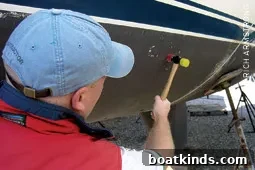
Always consider a professional survey when buying used. Surveyors bring technical expertise and emotional detachment; they can spot structural and mechanical problems that are easy to miss. Cosmetic issues like faded gelcoat or worn upholstery are visible and often benign, but hidden problems—detached core materials, water-soaked transoms, broken tabbing, leaking hull-to-deck joints, bottom blistering, and other structural failures—require expert inspection.
A survey will also identify electrical and fuel-system issues: undersized wiring, grounds, chafing, loose hose clamps, pinched fuel lines, or inaccessible tanks. Verify the ventilation system on gasoline-powered boats, check for corroded below-deck metal components, and ensure fuel tanks can be accessed or removed without cutting the deck. A survey report can justify a lower offer or help you avoid an unreliable purchase entirely.
Sea Trial: Don’t Skip It
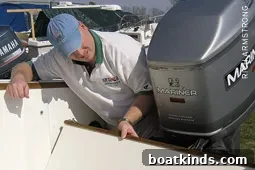
A sea trial is essential. It reveals how the boat performs under realistic loads and conditions—how it planes, accelerates, handles a turn, and behaves in chop. Without a test ride you might later discover poor acceleration with a full load, excessive noise or smoke, uncomfortable motion, limited visibility at the helm, or poorly located hardware. Ask for service records and confirm regular maintenance; the absence of records should raise a red flag or prompt a more careful inspection.
Financing and Budgeting
Good credit still opens doors to boat loans, though lenders may require a larger down payment—commonly around 20 percent. Shorter loan terms reduce total interest paid. Finance terms can be similar for new and newer used boats, but older boats may be harder to finance. A 2- to 3-year-old boat often offers a balance between depreciation and reliability—lower initial cost yet relatively modern systems.
Use pricing guides and classified sites to research fair market value. Reference resources such as ABOS, NADA and BUC for price guidance and check boat listing sites for comparable asking prices. Whatever the purchase price, budget at least 10 percent for short-term repairs and upgrades: safety gear, electronics, upholstery, dock lines, an anchor, a VHF, fresh bottom paint and more. Also account for sales or excise taxes, ongoing maintenance, dockage, storage, insurance and fuel.
Final Checklist
- Define how and where you’ll use the boat before you buy.
- Decide whether new or used better suits your budget and tolerance for risk.
- Hire a qualified marine surveyor for used boats.
- Always conduct a sea trial under realistic loading conditions.
- Verify service records and factor in maintenance and upgrade costs.
- Choose a boat from a financially stable manufacturer and a dealer who will be around to support you.
The market offers opportunities for both new and used buyers. Know what you can afford, stay within your budget, and buy a boat you’ll comfortably use. Happy hunting.
Eric Sorensen was the founding director of the J.D. Power and Associates marine practice and is the author of “Sorensen’s Guide to Powerboats: How to Evaluate Design, Construction and Performance.” A longtime licensed captain, he can be reached at [email protected].
This article originally appeared in the April 2009 issue.