
As spring arrives and boating season approaches, it’s time to bring your boat back to top condition. Spring commissioning is more than a checklist—it’s essential preventive maintenance that protects your investment, reduces the chance of failures while underway, and keeps you and your passengers safe. The specific tasks depend on how you winterized, the boat’s type and age, and how it was stored, but a thorough commissioning will put you on the water with confidence.
Hull Maintenance
Hull care is usually among the first—and most visible—tasks for spring. A clean, polished hull with fresh bottom paint not only looks ready to go, it protects the boat and improves performance. Key hull maintenance steps include:
Bottom Painting: Lightly sand the hull before applying bottom paint to ensure proper adhesion. If you maintain it each season, a single fresh coat is often sufficient. Proper preparation prevents heavy paint buildup and flaking problems.
Waxing: Choose a long-lasting synthetic wax rather than carnauba-based products, which typically last only two to three months. Synthetic waxes protect gelcoat from oxidation and staining throughout the season. Be aware that many 2-in-1 cleaner/wax products are carnauba-based, so select a product designed for marine use.
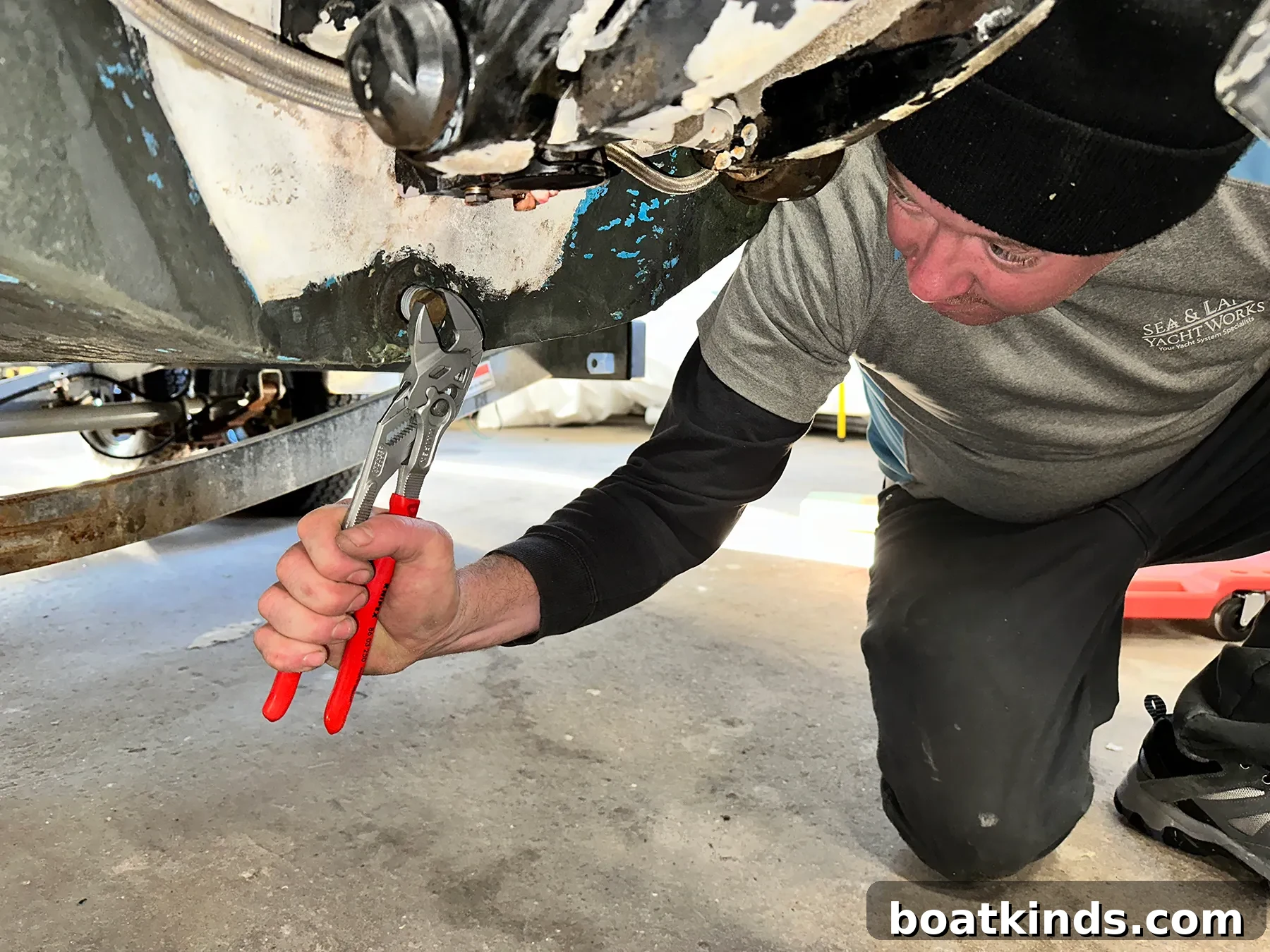
Drain Plug: Never underestimate the drain (garber) plug—forgetting to install it before launch is a quick way to take on water. Use Teflon tape on the threads and tighten the plug securely when reinstalling to avoid leaks.
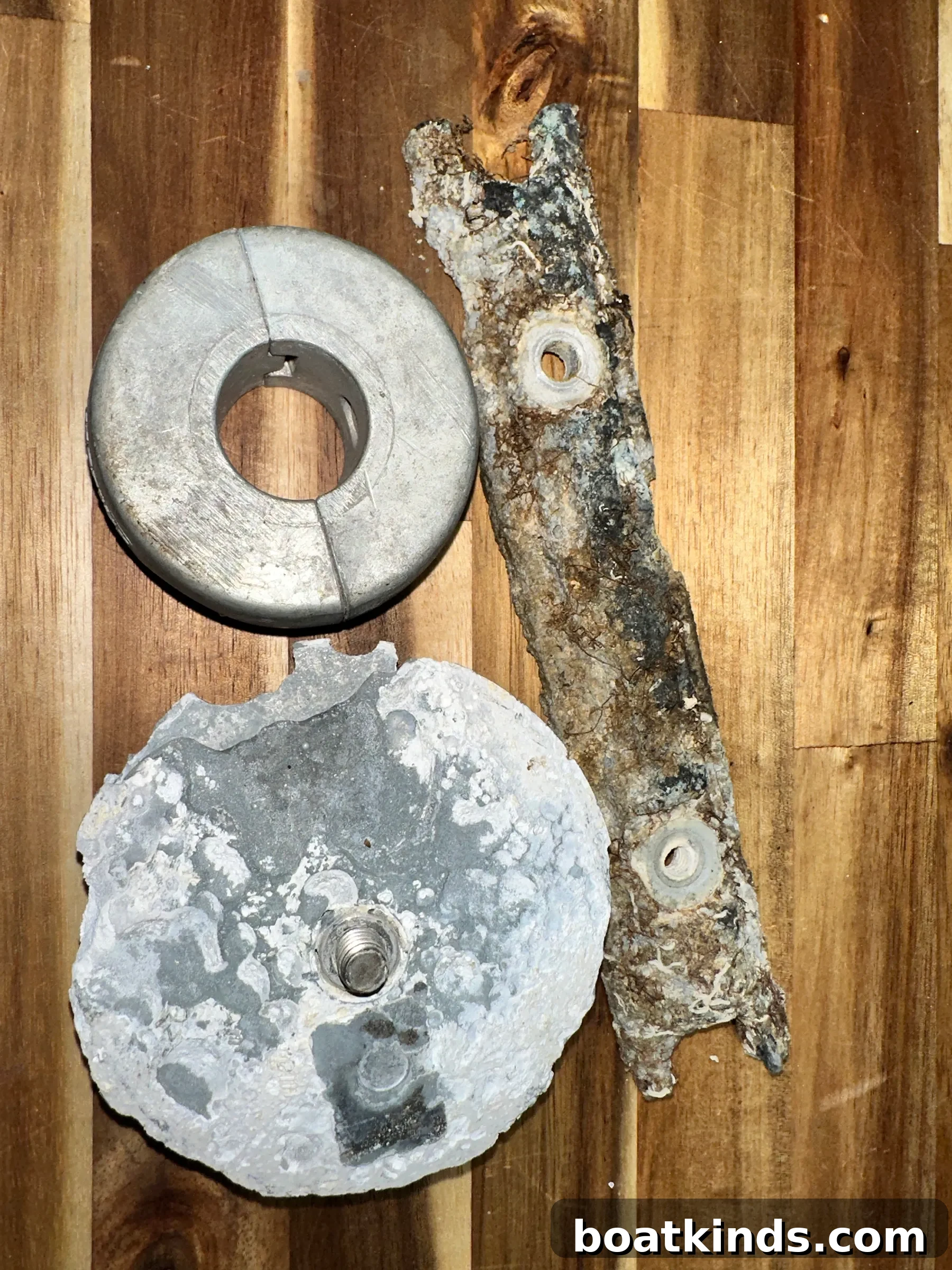
Zinc Anodes: Inspect sacrificial zincs and replace them once they’re worn to about half their original size. Allowing a zinc to deteriorate beyond that can lead to corrosion of underwater metals and costly repairs. When in doubt, replace them.
Bilge Cleaning: A clean bilge prevents debris from clogging strainers, fouling pump impellers, or stopping float switches—issues that can drain batteries or hide leaks. Cleaning the bilge also helps you detect fresh leaks quickly and reduces odors.
Propulsion Systems
Problems with propulsion are among the most disruptive to a boating season. Spring commissioning focuses on a careful visual inspection and following the manufacturer’s maintenance schedule for your engine type.
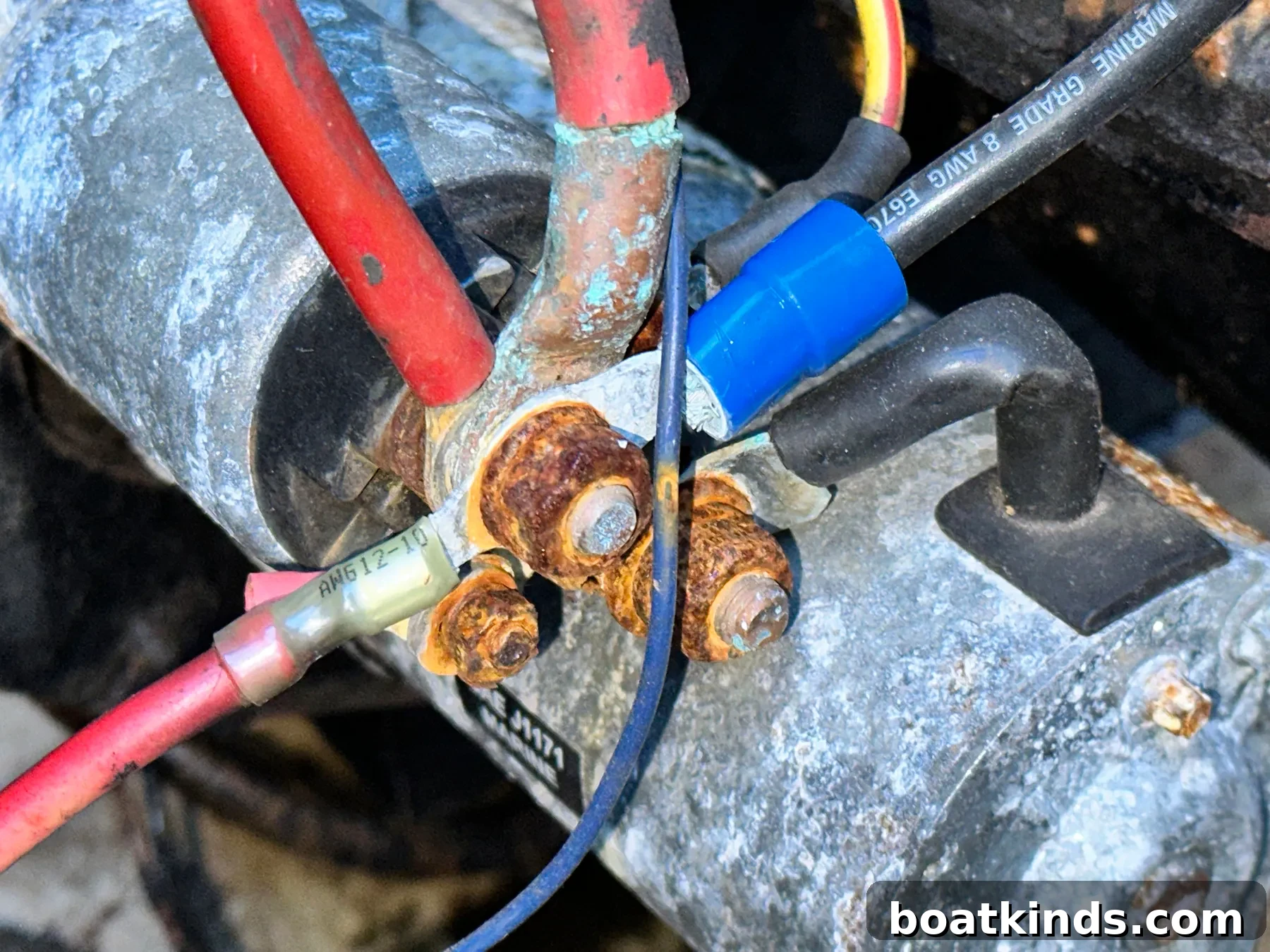
Visual Inspection: Examine engines for leaks, cracked or rotted hoses, corroded hose clamps, electrical corrosion on harnesses, and worn or loose belts. Confirm oil and filter service was done during winterizing and check fluid levels and condition. Inspect control cables for smooth operation, secure connections, and no external bulging or rust.
Inboard Engines: Before launching, open raw-water seacocks and check intake strainers for debris, ensuring lids are tight. Inspect rubber components that keep water out—such as dripless seals, bellows, and saildrive boots—for cracking or deterioration. Verify the engine room blower operates and that ducting is attached and intact.
Outboard Motors: Look for corrosion and oil leaks around trim/tilt assemblies, which are difficult to service afloat. Check the priming bulb and other components prone to wear; these are easy to overlook until they fail.
Test Run
Always run the engine on the cradle or with proper flushing before launching. For most setups this requires supplying water to the cooling system (for example with a garden hose and flushing device) so the impeller is not bypassed. While running, verify gauges, throttle response, and charging system operation. Gasoline engines may produce extra smoke as fogging oil burns off; this is normal but can foul spark plugs, so inspect and replace plugs if necessary after the test run.
Electrical Systems
Because water and electricity are a dangerous combination, inspect the electrical system thoroughly.
Visual Inspection, Reconnection & Test: Ensure batteries are installed, secured and fully charged. Top off flooded lead-acid cells with distilled water before charging. Check battery cable lugs and terminals for corrosion and secure connections. Inspect DC distribution panels, wiring and switches for signs of overheating or corrosion. Test all onboard electrical items—navigation and interior lights, horn, wipers, VHF and other electronics—and look for error messages. Exercise bilge pumps manually and via float switch to confirm automatic operation. Inspect shore power inlet, cord and receptacle for surface corrosion or burn marks.
Plumbing Systems
Plumbing is at high risk after winter; thorough commissioning ensures freshwater, sanitation and thru-hull systems are safe and functional.
Water System Commissioning: Flush freshwater tanks and lines to remove propylene glycol antifreeze used for winterizing. Run all faucets and showers until any pink discoloration clears. If foaming persists after the color clears, there may still be antifreeze in the system—continue flushing and taste the water to confirm it’s free of residual antifreeze. Reconnect hot-water heaters if bypassed, close any drain valves, restore power if required, replace inline water filters, and clean strainers. Pressurize the system and inspect for leaks.
Thru-Hulls and Seacocks: Inspect all thru-hull fittings for corrosion or leaks. Operate seacocks and valves to ensure they move freely and check hose clamps and hoses for cracking, deterioration or frost damage.
Sanitation System: Check holding tanks for cracks and ensure valves operate properly. Verify that heads flush and drain correctly.
Safety Equipment
Confirm safety gear and documentation are current and in place. While this may not be part of a professional commissioning checklist, it’s essential for legal compliance and peace of mind.
Items to Check: Return life jackets, fenders, handheld radios, anchors and dock lines to the boat if they were stored offboard. Test smoke alarms and carbon monoxide detectors and replace batteries as needed. Verify membership and coverage with your preferred marine assistance provider.
Maximize Safety and Reliability
Investing time and resources in a complete spring commissioning prevents many common causes of on-water breakdowns. A systematic inspection and service routine will maximize your time on the water, extend the life of your boat, and keep you and your family safer throughout the season.
Mike Garretson owns Sea & Land Yacht Works in Wakefield, Rhode Island. This article was originally published in the April 2024 issue.