
Decommissioned Offshore Oil Rigs as Unexpected Marine Habitats
Juvenile rockfish, white anemones, mussels and silver jack mackerel have colonized the offshore oil platform known as Holly, turning the idle structure into a thriving marine community. Holly has been shut down since 2015, and over the years the platform’s legs and subsea structure have been slowly transformed into habitat by a wide variety of sea life.
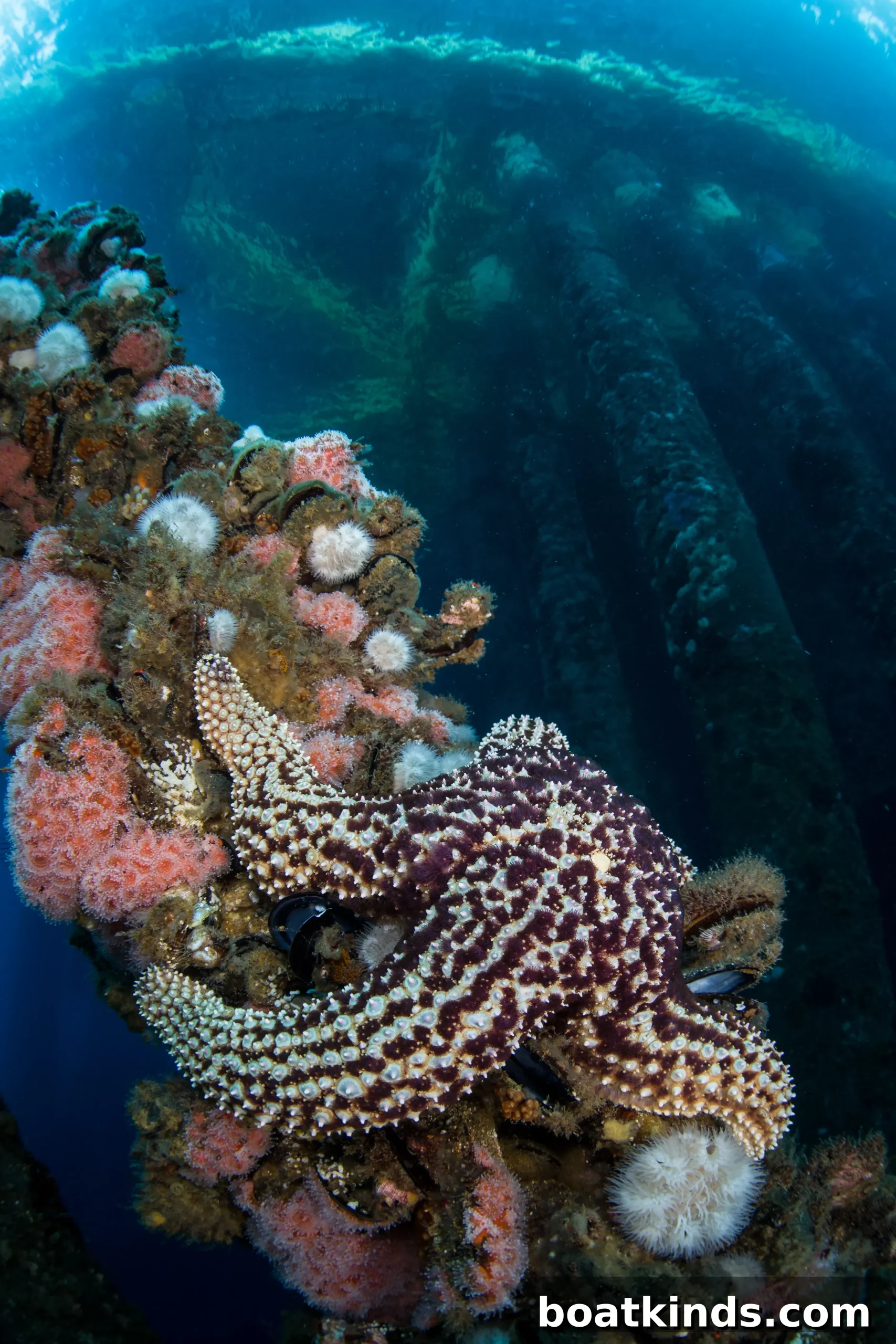
Holly is not unique. Of the 27 oil platforms installed off California’s coast between 1967 and 1989, only 15 remain in active production. The remainder are inactive or slated for decommissioning, and many of those abandoned structures already support rich assemblages of organisms. Marine biologists, fisheries scientists and conservationists are increasingly studying how these structures function ecologically and whether they should be left in place, modified, or removed entirely.
Ann Scarborough Bull, a marine biologist who has led research on this phenomenon, and her colleagues have documented how marine life adapts to and colonizes retired rigs. Their work highlights that these platforms can host biodiversity levels and ecological productivity comparable to—or even exceeding—nearby natural habitats. In a 2014 study co-authored by Bull, oil platforms were identified as among the most productive ocean habitats globally, with productivity on the studied rigs measured at many times that of nearby natural reefs off California.
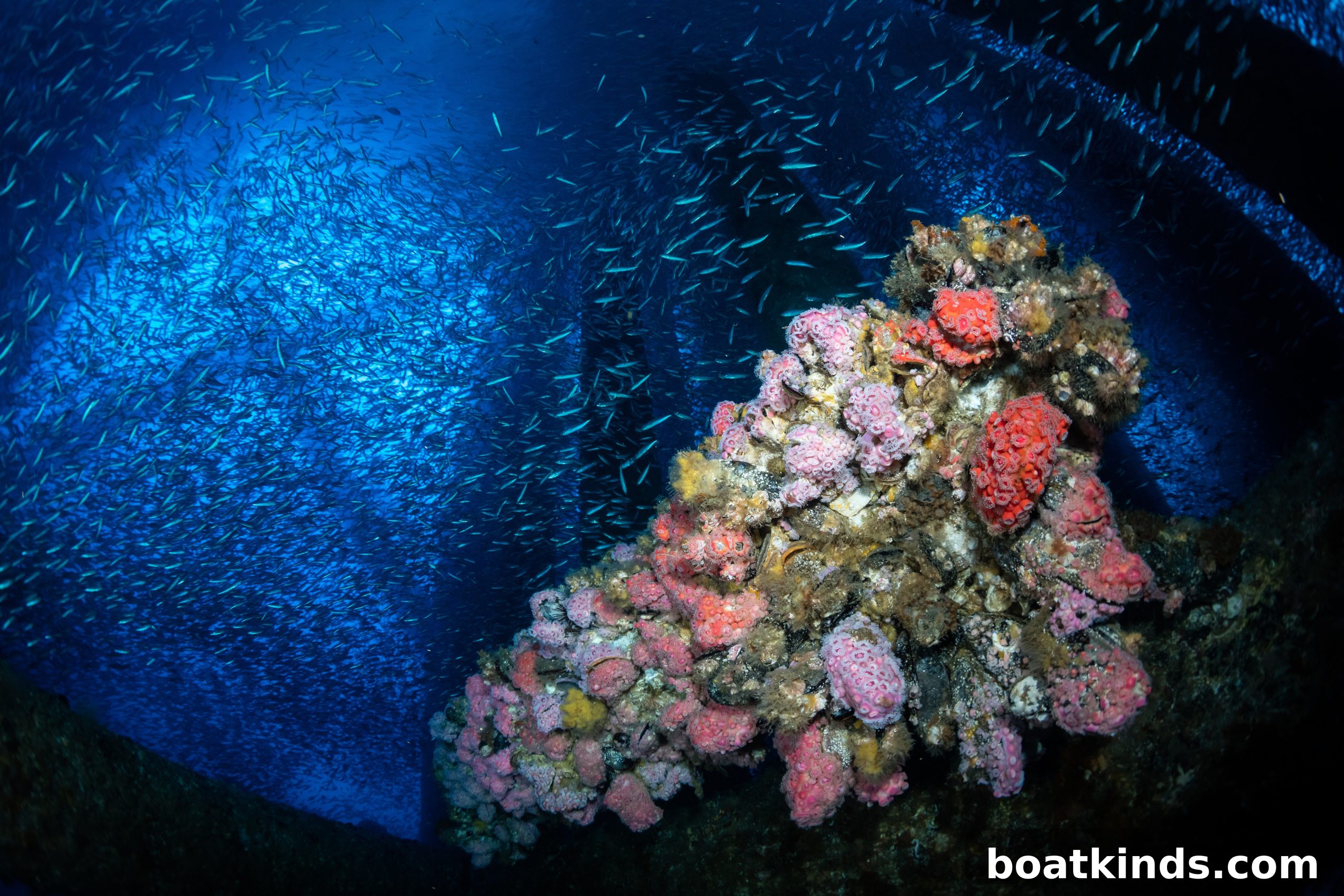
“You would never allow the willful destruction of a kelp bed, or of a rocky reef,” Bull told The Guardian, “even though rigs have similar biodiversity.” That comparison underpins much of the current scientific argument: platforms that have been in place for decades function as artificial reefs, providing structure, shelter and feeding opportunities for many species, including juvenile stages of commercially and ecologically important fish.
Debate over the future of decommissioned rigs is contentious and multifaceted. Some stakeholders view old oil infrastructure as an environmental blight that must be fully removed to restore natural seafloor conditions and eliminate potential hazards. Others—including an increasing number of marine scientists—argue that removal would destroy long-established habitats that support fish, invertebrates and other marine life. The decision involves balancing ecological values against regulatory requirements, navigational safety, liability concerns and the duty to remediate industrial sites.
In many regions worldwide, decommissioned platforms have been removed or intentionally converted into artificial reefs through carefully regulated programs. However, decisions are highly site-specific. Off California, the situation is complicated by water depth: some platforms are anchored in 800 to 1,000 feet of water. At those depths, full removal would likely require controlled use of explosives or other extreme measures to cut structures free from the seabed, actions that could cause substantial environmental harm and entail very large costs measured in the hundreds of millions or even billions of dollars.
Given these trade-offs, policymakers and scientists consider a range of options: complete removal and site restoration; partial removal with the lower portions left as habitat; or controlled conversion of structures into formal artificial reefs with monitoring and management. Each option carries ecological, economic and legal implications. Leaving structures in place can preserve habitat that took decades to form, but may raise concerns about long-term pollution, liability, and public perceptions. Conversely, removal can eliminate potential hazards and legacy contamination but may destroy the biological communities now relying on the structures.
As research continues, many marine scientists call for decisions to be guided by careful ecological assessment: documenting species that depend on the platform, measuring productivity and comparing habitat values with nearby natural reefs, and forecasting the ecological consequences of removal versus retention. Adaptive management and long-term monitoring are also important, so that outcomes can inform future decommissioning choices.
The case of Holly and other California platforms highlights a broader question about how society manages aging industrial infrastructure in marine environments. When rigs become havens for life, the simple binary choice of “remove versus leave” becomes a complex policy decision that must weigh biodiversity, costs, safety and stewardship. Whatever path is chosen, transparent scientific assessment and public discussion will be essential to reach outcomes that balance environmental protection with practical realities.