Stephens Waring Design Unveils Isobel: A 26-Foot Electric Commuter Boat
Stephens Waring Design of Belfast, Maine, has announced a new electric commuter boat, named Isobel, that was scheduled for launch in the fall of 2024. Designed for efficient daily use and graceful appearance, Isobel blends traditional wooden-boat aesthetics with modern electric propulsion. The design was commissioned by a long-term client who wanted a reliable, quiet craft for reaching a vacation home on a Maine island.
Design and Construction
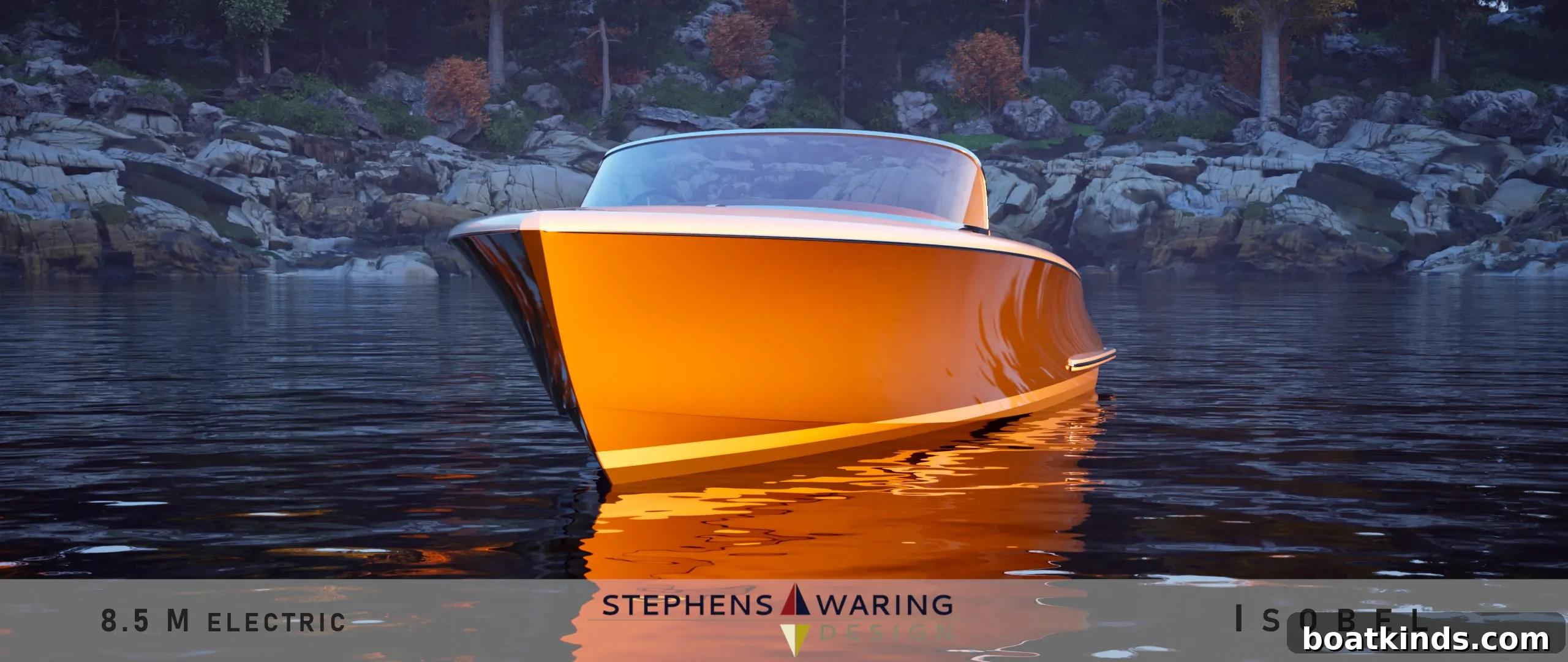
Isobel’s lines draw clear inspiration from classic wooden runabouts—think Italian Riva-style elegance—while prioritizing the practical needs of an electric commuter. The hull is built from cedar strips coated in fiberglass. This combination keeps the structure lightweight while retaining the warm, natural look of wood. A lower sheer line across the hull enhances the boat’s sleek profile and makes side boarding easier, which is useful for docking at island slips and moorings. A stern bathing platform is also incorporated for convenient access to the water and simple boarding from the back of the boat.
Dimensions and Layout
At 26 feet, 6 inches in length with a beam of 7 feet, 11 inches, Isobel is sized to balance stability, interior space and efficiency. The proportions reflect a focus on low weight and hydrodynamic efficiency—both key considerations for electric propulsion, where minimizing energy use extends range and performance. The overall layout favors simple, user-friendly arrangements for commuting: seating and deck access are arranged to make short trips comfortable and to ease embarkation and disembarkation at typical island moorings.
Electric Propulsion and Energy Storage
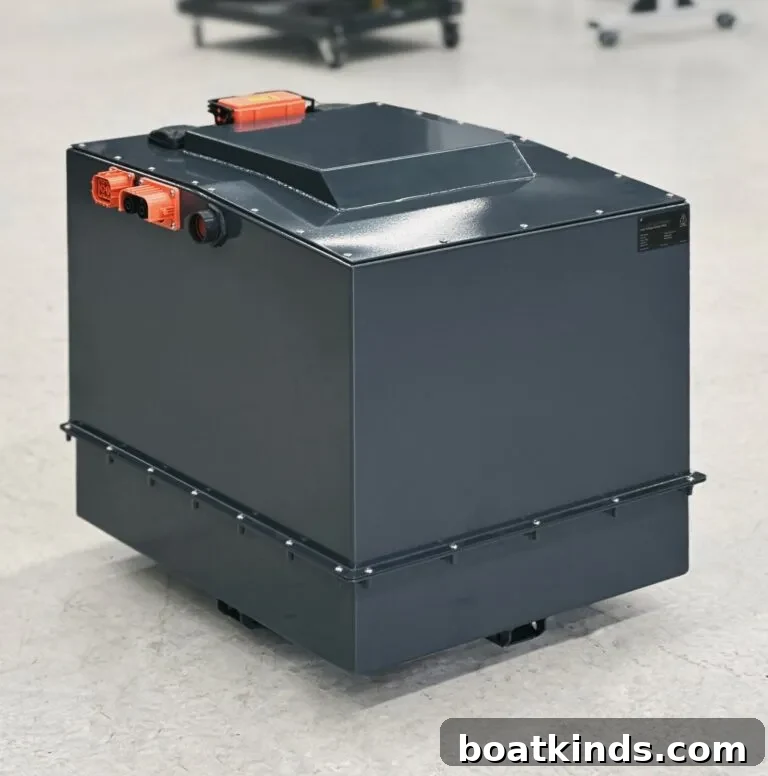
Isobel is powered by a 50-hp (40 kW) electric motor supplied by RAD Propulsion in the United Kingdom. Energy is stored in a 55 kWh battery pack that operates at approximately 350 volts and is reported to have a peak output of 30 kW. The battery pack’s design allows relatively fast charging: moving from a 20 percent state of charge to 80 percent in under an hour, which supports repeated daily use without lengthy downtime. The energy storage system was developed by Fellten, a UK company known for repowering classic cars, adapted here for marine applications.
Performance and Range
In typical cruising conditions Isobel is expected to cruise at 10 to 13 knots, offering a practical, efficient speed range for short- to medium-length commutes. At this cruising pace the designers project a range of approximately 50 nautical miles on a single charge. As with most electric vessels, running at higher speeds reduces range: at maximum power output the available range is reduced to roughly half of the cruising range.
Why an Electric Commuter Boat?
Electric propulsion suits commuter boats because it produces little vibration and very low noise, improving the onboard experience and minimizing disturbance in quiet coastal environments and island communities. The lightweight cedar-and-fiberglass hull helps keep energy consumption down, which in turn increases effective range and efficiency. For owners who make frequent short trips—such as daily commutes to an island vacation home—an electric commuter boat offers operational simplicity, lower maintenance compared with internal combustion engines, and the potential for emissions-free operation when charged from renewable power sources.
Context and Use
Isobel was designed specifically for practical, everyday use in a Maine island setting, where ease of boarding, quiet operation, and predictable range are highly valued. The boat’s combination of classic wooden-boat styling and modern electric drive aims to appeal to owners who want both aesthetic appeal and contemporary environmental and operational benefits.
For owners and designers interested in electric commuter boats, Isobel illustrates how careful material choice, efficient hull design and appropriately sized electric propulsion systems can come together to produce a stylish, practical vessel for short-to-medium coastal trips and island commutes.