
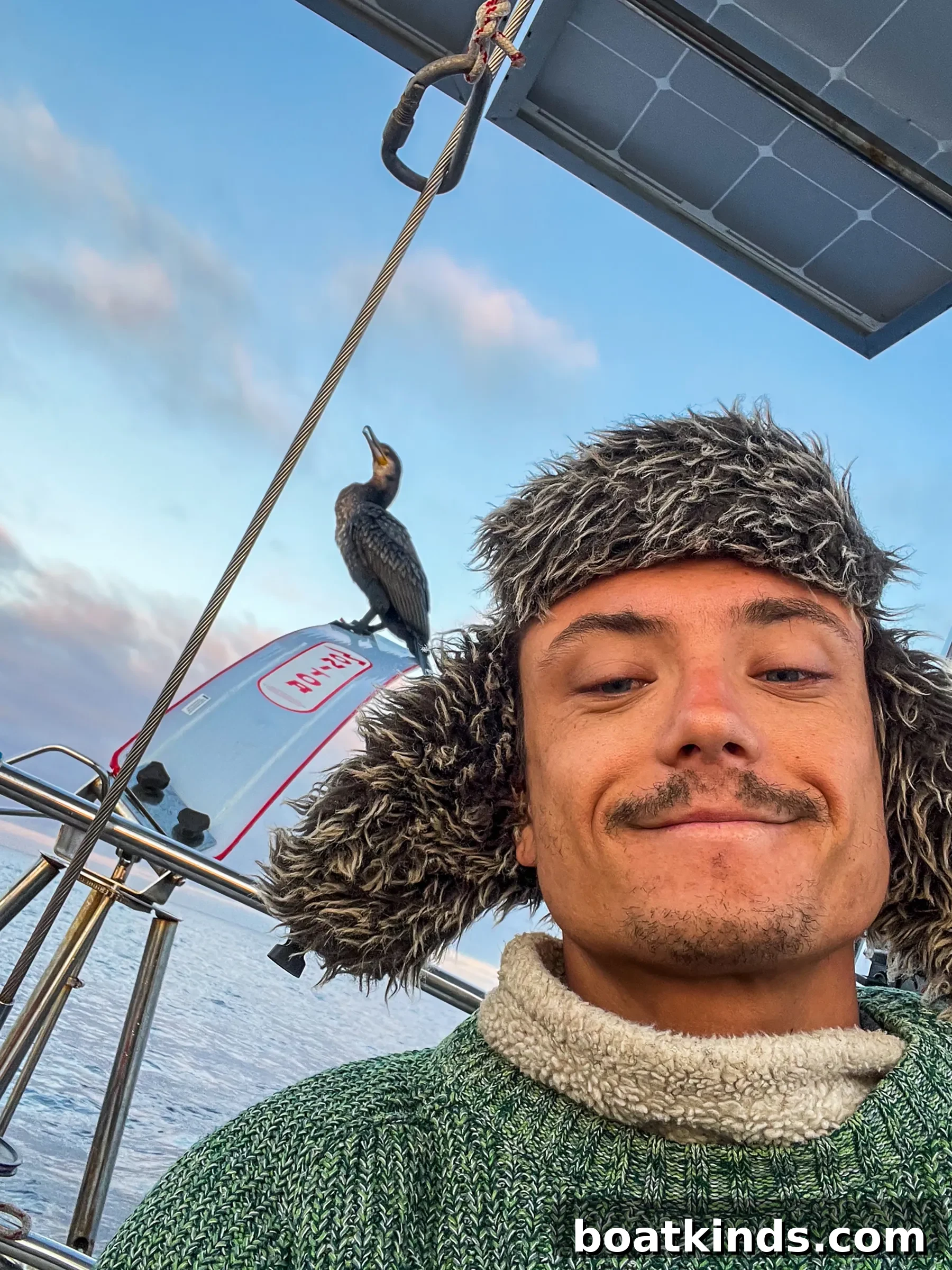
Chasing a free spirit across the globe can be a logistical headache, especially when that person lives offshore. “Max Campbell is available this week,” my editor messaged. “Call him while you can.” Campbell was halfway through a circumnavigation he began in early 2020, sailing from his home port of Falmouth, England, aboard a lovingly restored 1970 Sparkman & Stephens Swan 37 named Elixir. His voyage alternates between long, cellphone-free passages and extended stops ashore.
Despite an often tenuous relationship with land, Campbell is surprisingly easy to locate online. His Instagram places him in New Zealand and a GPS tracker shows Elixir tied up in Opua, a popular entry harbor. His videos reach wide audiences—some clips on TikTok draw hundreds of thousands to well over a million views—reflecting both strong production values and a genuine love for sailing life.
When I reached him, Campbell had been in New Zealand for two months. He’d written articles, posted videos, bought a 1999 Toyota Corolla for about $2,000 and driven it to the South Island to explore. Before heading to Fiji in spring 2025, he plans a refit to prepare Elixir for the remainder of his circumnavigation. Campbell funds his voyage himself, supplementing expenses by delivering yachts, taking on odd jobs, freelance writing and creating sponsored content—sponsorships even provided mainsails on favorable terms.
Campbell isn’t a privileged influencer drifting through paradise; he’s a committed sailor. He once singlehanded a transatlantic passage in a 22-foot wooden sloop, an experience he documents on Un-Tide and YouTube. His content stresses sustainability and respect for communities, and his videos often highlight the personalities of the multicultural crew who join him along the way.
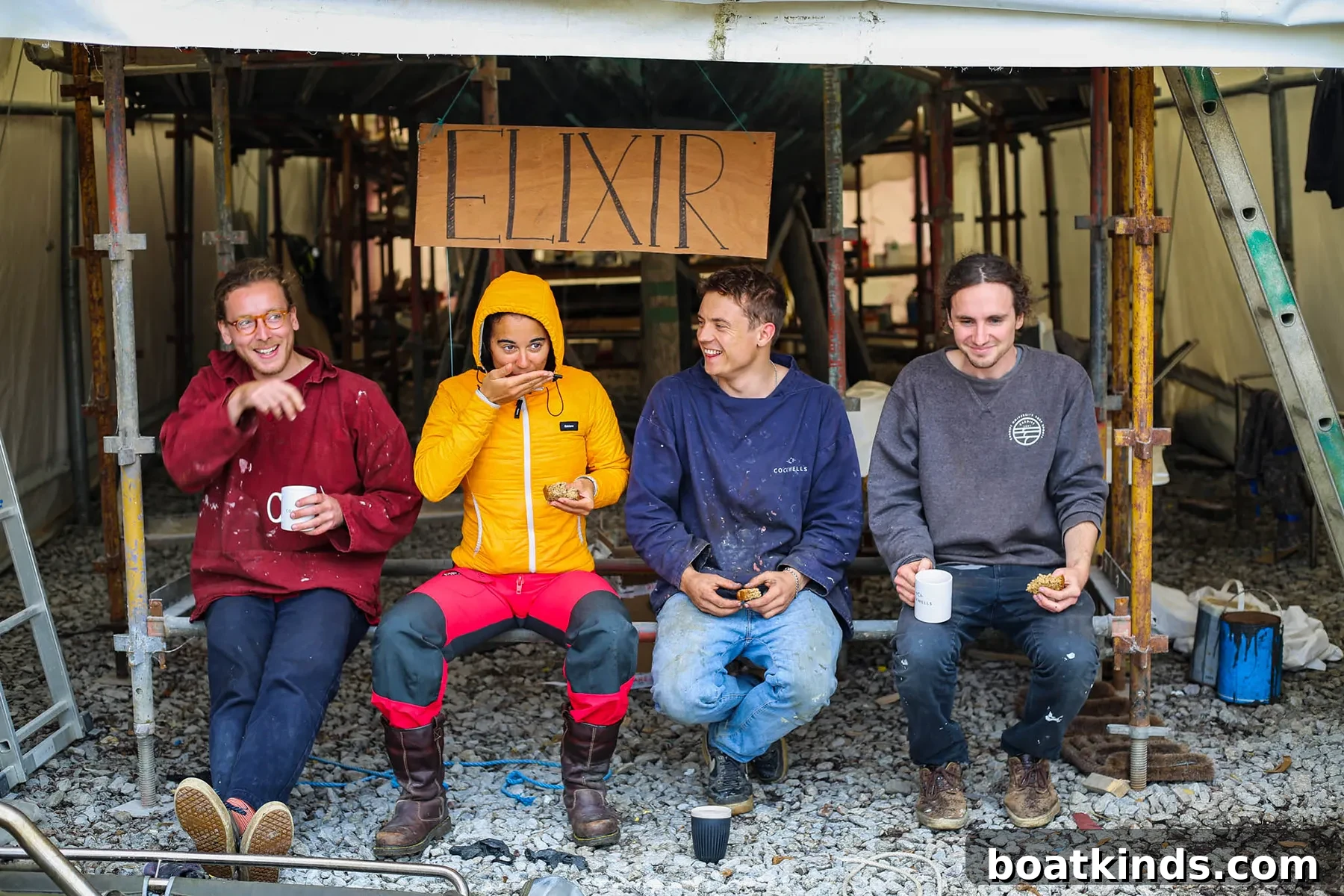
Elixir rarely sails with just one person aboard. Since the voyage began, Campbell has hosted dozens of crewmates—around 60 people have slept in the boat’s two cabins—some experienced offshore sailors, others complete novices. For Campbell, enthusiasm and willingness to contribute matter more than past miles. “When you’re sailing, you’re often removed from society,” he says. “Many prefer solitude, which is valid, but for me the journey is richer when shared.”
The trip has brought highs and lows: navigating tropical storms, swimming with bioluminescent plankton, visiting remote Pacific communities—and surviving dangerous encounters ashore, including being jailed in Mexico and threatened at gunpoint in Venezuela. His voice is literary and reflective; his choices might seem romantic or reckless, but they’re rooted in purpose and a deep connection to the sea.
Campbell’s relationship with sailing began early. He graduated near the top of his class in oceanography at the University of Southampton, but the pull of life at sea proved stronger than a conventional career. A childhood gift—a 10-foot cold-molded dinghy with a bright yellow sail—ignited a lifelong passion that only grew when his family moved to Falmouth, Cornwall, where he raced dinghies and embraced coastal life.
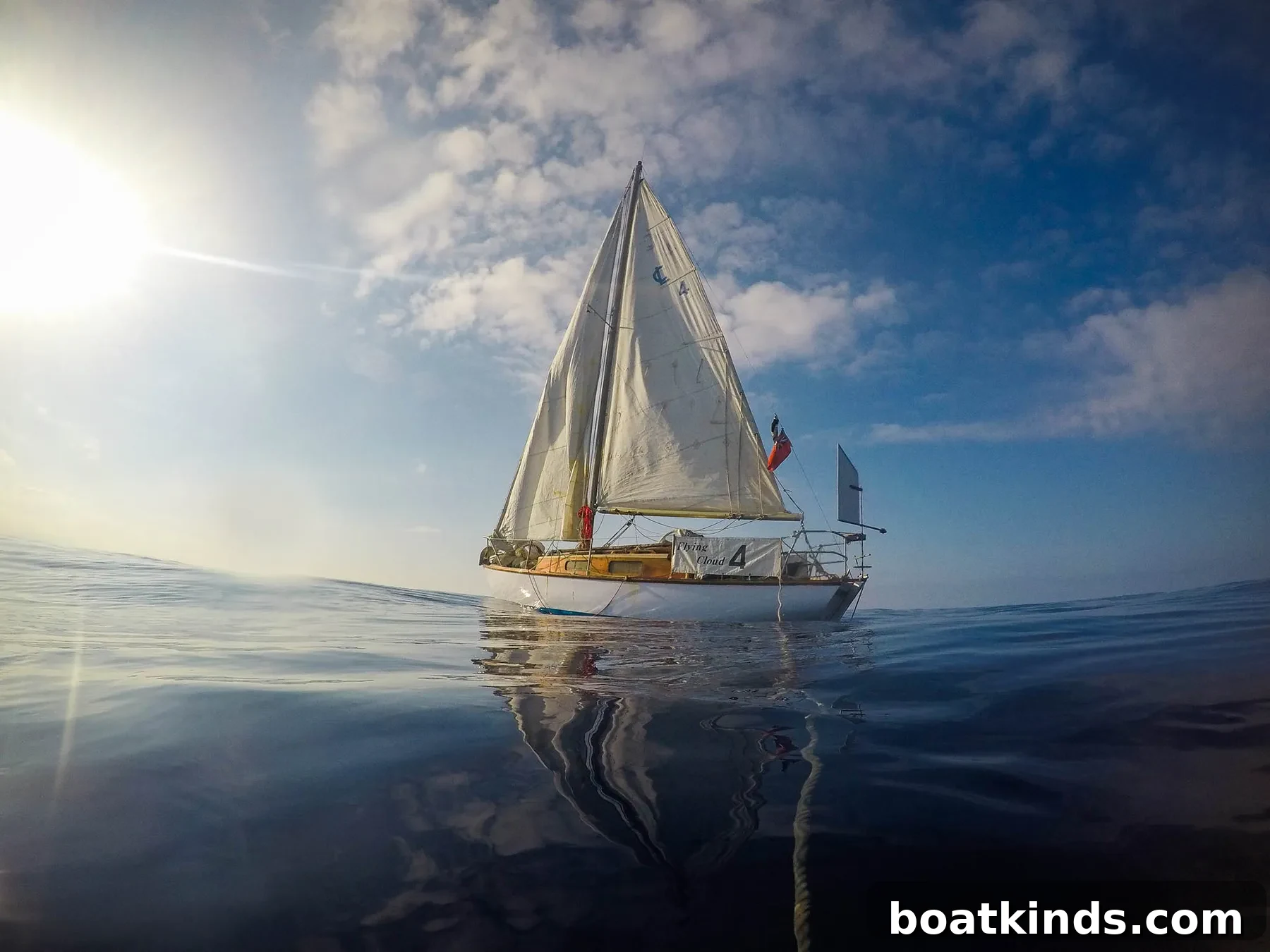
That passion took a dramatic turn when Campbell found himself singlehanding a 22-foot sloop, Flying Cloud, on a stormy passage toward Gran Canaria after a gap-year trip turned into an Atlantic crossing. He’d restored Flying Cloud for about £500 and embarked with minimal funds. His original crewmate left in Lisbon, and Campbell continued alone, improvising self-steering gear with help from his boatbuilder stepfather and friends. Those makeshift improvements—wind vane drawings, a canvas sprayhood and extra transom drainage—proved crucial later.
During the Atlantic crossing, after settling into a routine of fishing and reading, he suffered a severe burn when denatured alcohol in a stove canister flashed and ignited. The explosion doused him in flames. He flipped overboard to extinguish the fire, sustaining second-degree burns over roughly 14 percent of his body. Alone and in pain, he still managed to navigate toward land, finally making landfall in Prickly Bay, Grenada, where he received medical treatment and began a long physical and psychological recovery.
Recovery wasn’t immediate. He battled PTSD, depression and anxiety and spent months avoiding sunlight and social contact. Yet the ordeal didn’t end his ambitions. After winning the Young Voyager Award from the Cruising Club of America and slowly regaining confidence, Campbell returned to Grenada to reclaim Flying Cloud and ultimately sailed back to England feeling “a little bit unstoppable.”
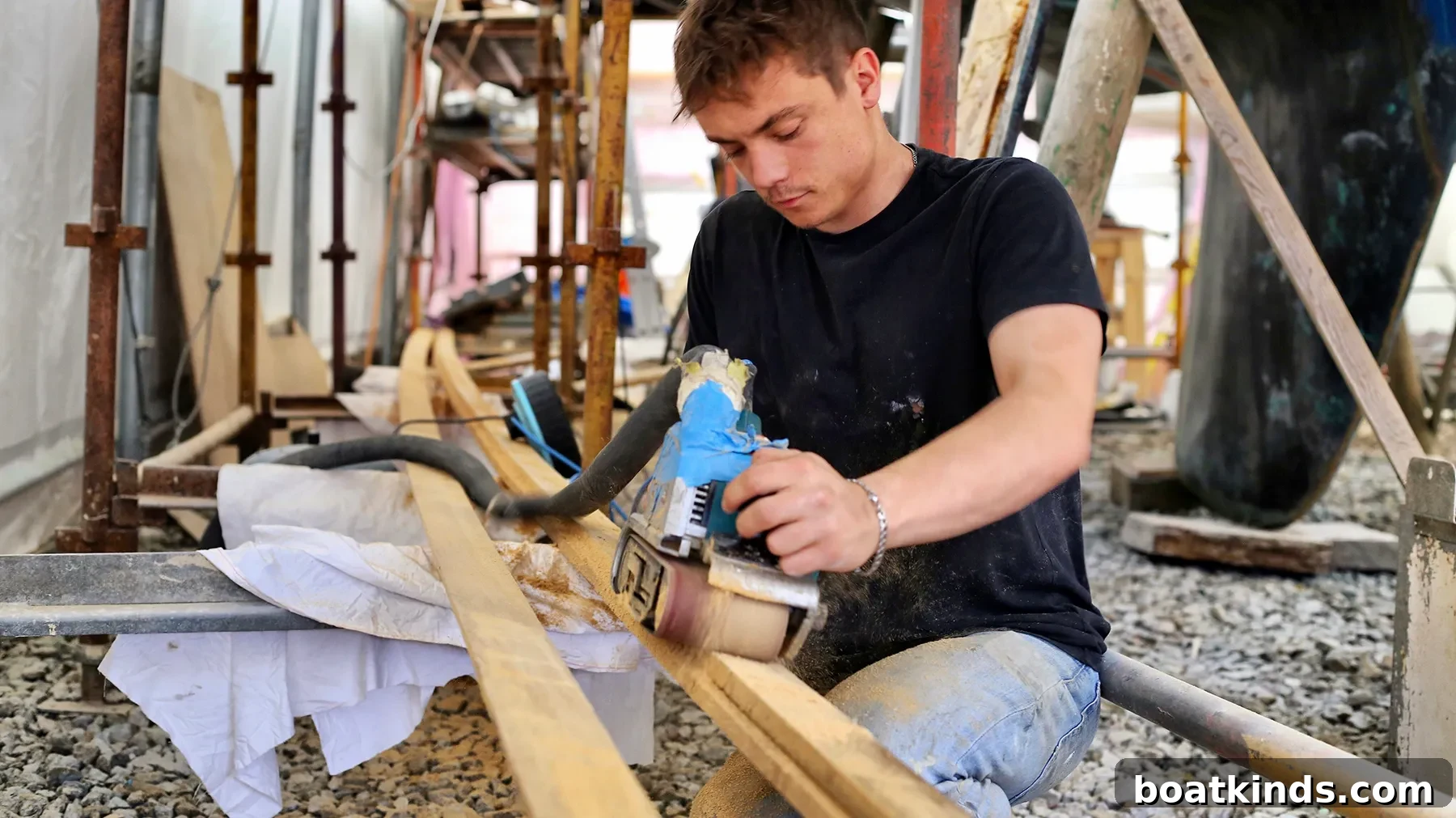
Back home, Campbell worked from Mylor Creek Boatyard, where his stepfather oversees yacht maintenance and production. There he restored boats and helped bring Elixir back to life. The Swan 37 refit was extensive: friends helped sand, fair, fill and paint the hull; CNC work produced custom handrails, vents and cleats; the rudder shaft was rebuilt. The project turned into a communal effort—many who helped later sailed with him or went on to buy their own boats.
Rebuilding Elixir realized a long-held dream of surfing and exploring remote islands across the South Pacific. He chose a seaworthy, manageable-size boat so he could carry surfboards and invite friends. Those swells have delivered memorable waves and unforgettable experiences. When he finally returns to Falmouth, Campbell plans to buy a larger vessel to offer paid and unpaid offshore passages, continue growing the Un-Tide brand and set course for colder climes on future voyages.
For Max Campbell, the ocean is not a temporary escape but a lifelong pursuit. “Ever since that first trip on Flying Cloud,” he says, “I knew this was what I’d be doing forever.”
This article was originally published in the April 2024 issue.