
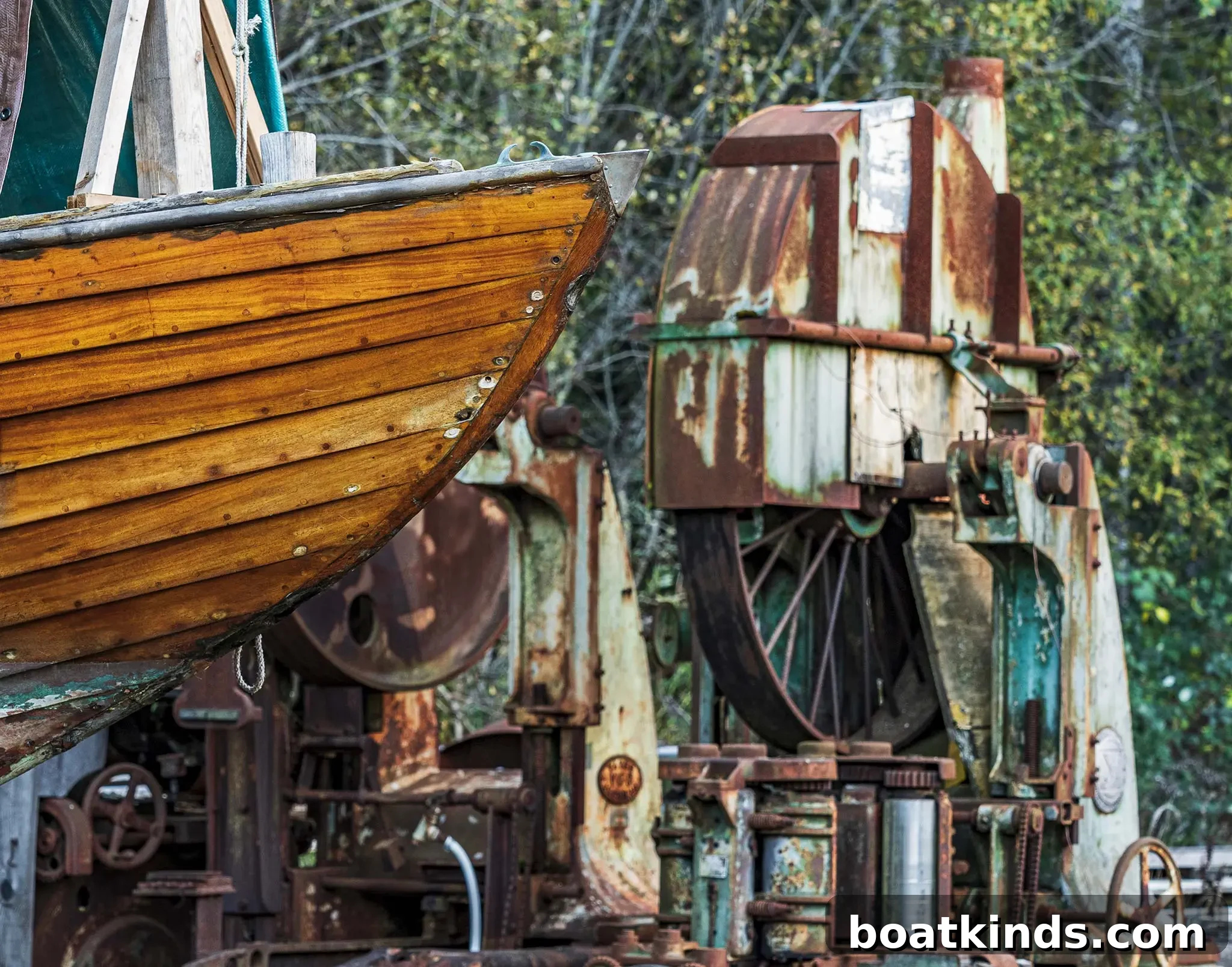
The fresh southeasterly wind died off briefly, then returned with a vengeance from the opposite direction. Conifers groaned as they bent under the onrush of air, while the rapid staccato of a plastic tarp ripping announced the wind’s fury. The tarp had been draped over a tired-looking long keeler that sat next to a rusted ship’s saw. The boat beneath the torn cover was a mahogany-planked Nordic Folkboat: humble, elegant, and lapstrake-built. Designed in Scandinavia as World War II began, the Folkboat has always carried a practical, non-elitist appeal.
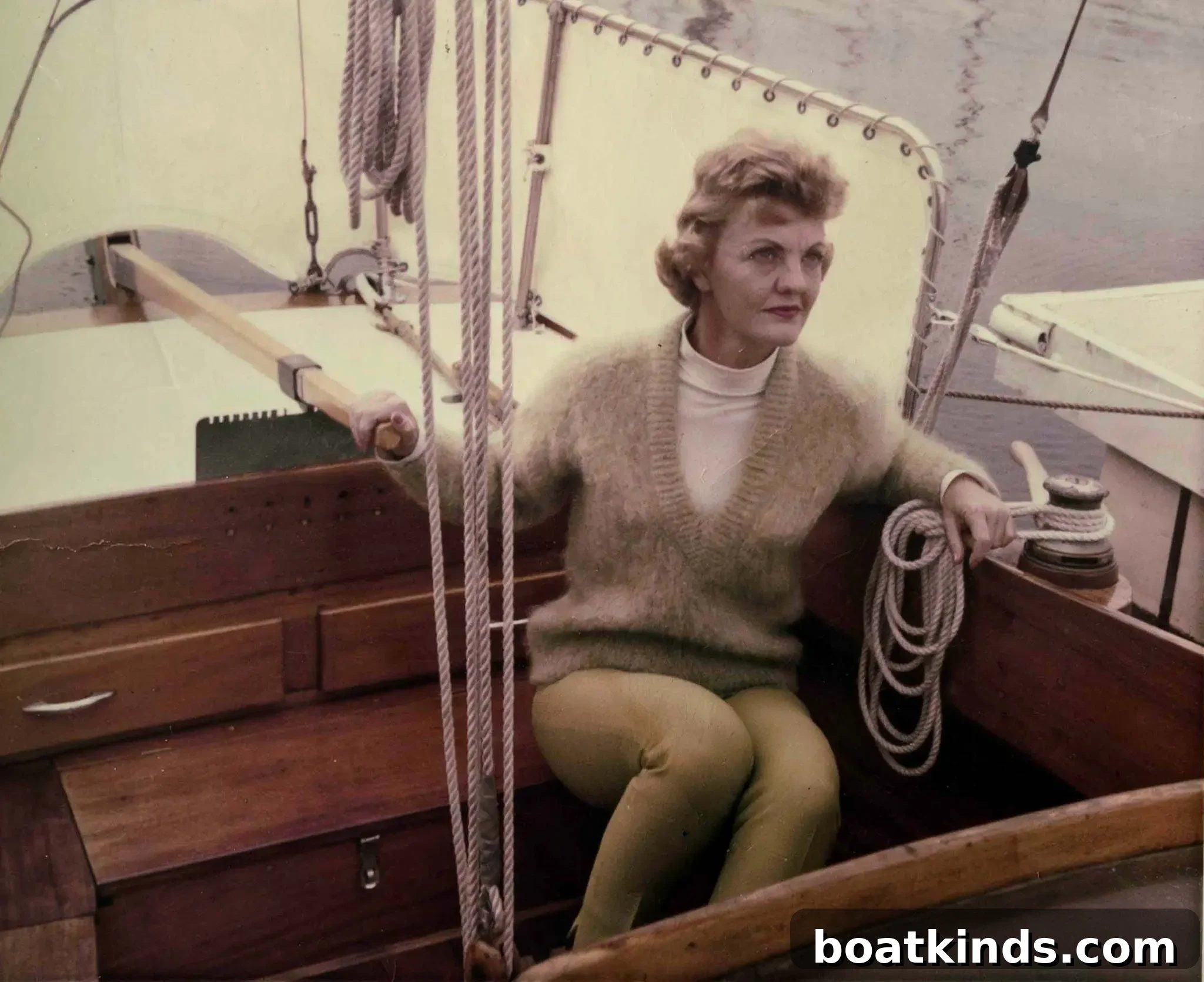
This particular Folkboat was recently donated to the People’s Boat Project in Port Townsend, Washington. The nonprofit seeks to “build community through empowerment” by teaching boatbuilding, seamanship, and sailing skills to women, trans, nonbinary, and other gender-marginalized people. But this vessel is more than a creaky relic: one plank bears the autograph of Sharon Sites Adams. At 94, Sites Adams is a living legend; in 1965, as a novice sailor, she single-handed this very boat from Los Angeles to Hawaii — the first woman to accomplish that feat. The passage took 39 days and was funded with savings from her work in a dental office.
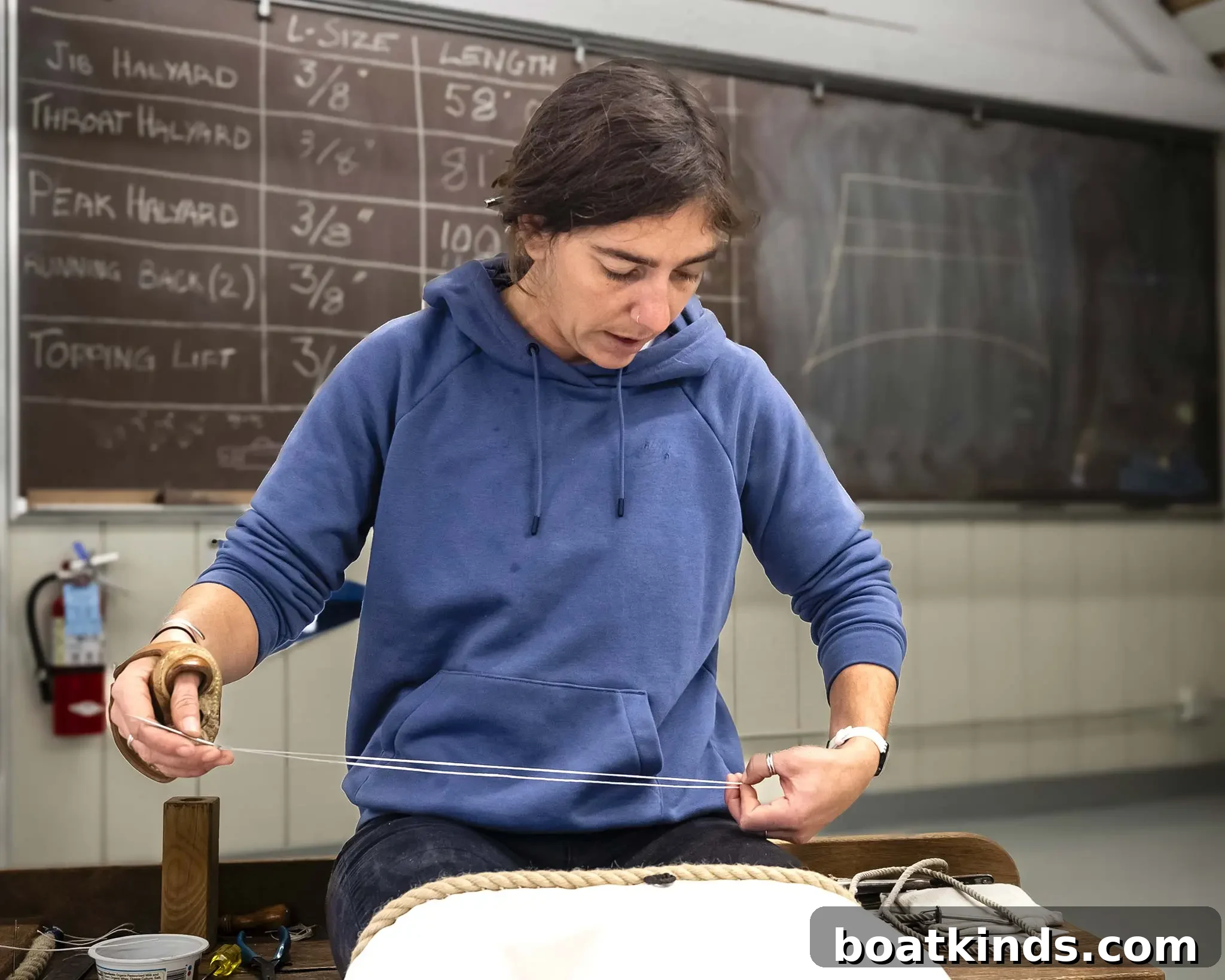
“Sharon is the perfect symbol for pushing against the glass ceiling,” says Emma Gunn, 34, a Port Townsend native who captains a local schooner and works as a delivery captain and sailmaker. Gunn is a principal in the People’s Boat Project and wants to expand opportunities for people who are often excluded from marine trades. “When Sites Adams set off, she had very little training,” Gunn notes. In fact, Sites Adams sailed to Hawaii just eight months after taking her first lesson — a decision some called reckless, but one that also demonstrated human potential.
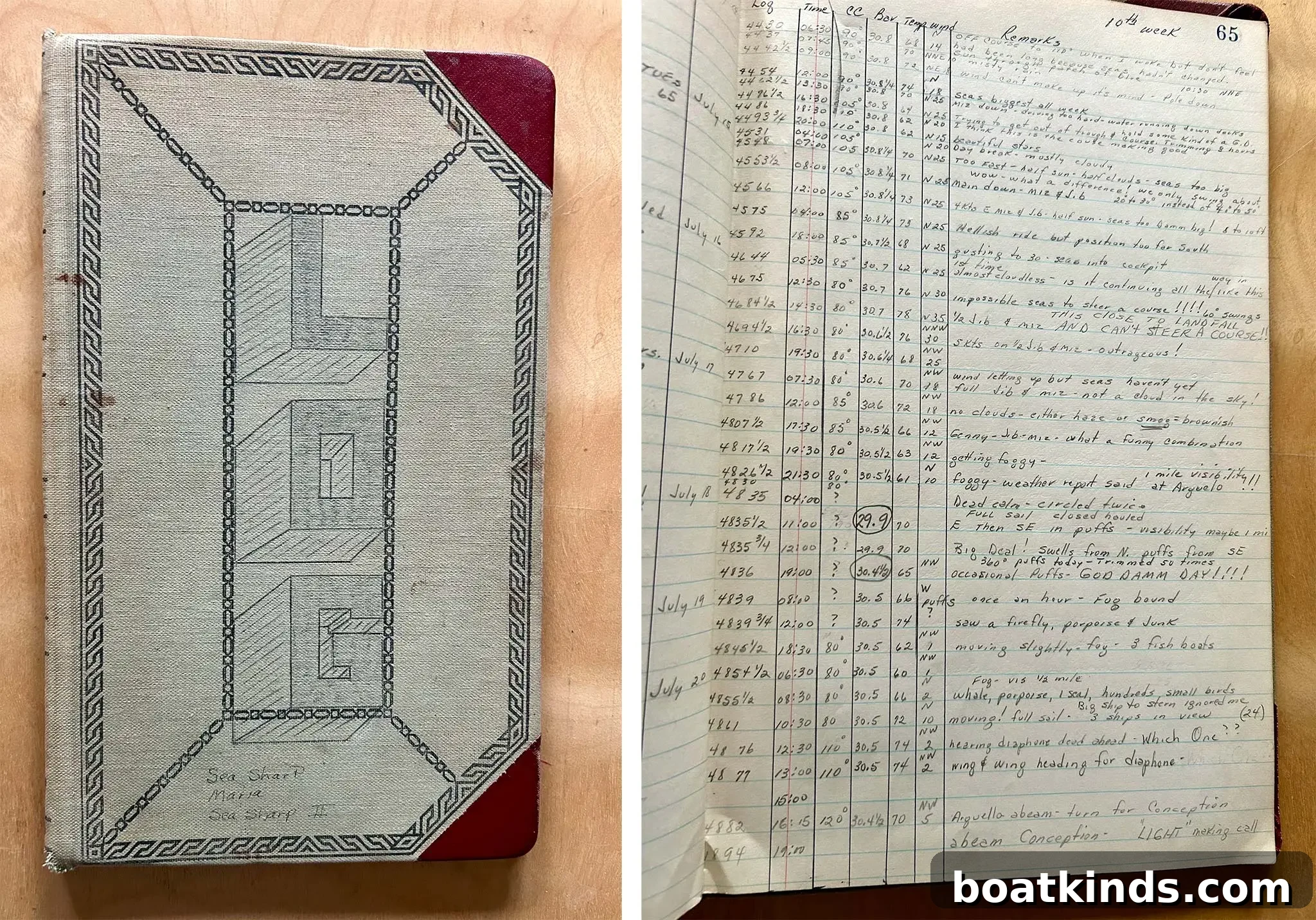
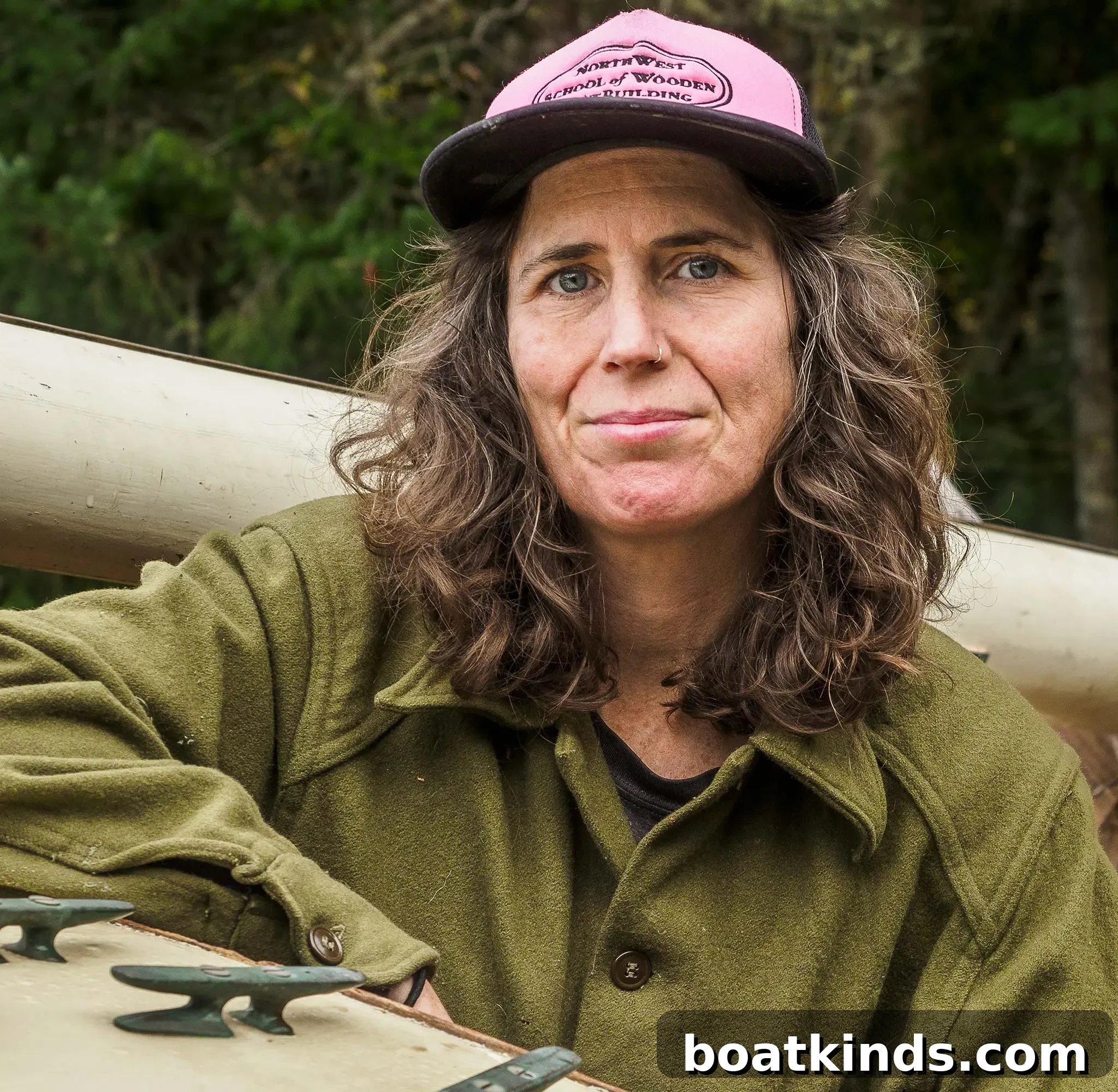
Ginny Wilson, 42, is the other principal of the Project. Originally from Concord, Massachusetts, she trained at the Northwest School of Wooden Boatbuilding and works as an independent shipwright in Port Townsend. Gunn and Wilson enlisted Sites Adams to speak and sign copies of her memoir, Pacific Lady, at the recent Wooden Boat Festival. That event helped publicize the People’s Boat Project and paved the way for restoring her former Folkboat.
In Pacific Lady, Sites Adams praised the Folkboat’s seaworthiness: “I was lucky to have such a reliable traveling mate, a boat that could weather the troubles that lay ahead.” A magazine blurb she quoted summed it up: “the worse it gets, the better she likes it. The boat is so good it makes even a mediocre helmsman good.”
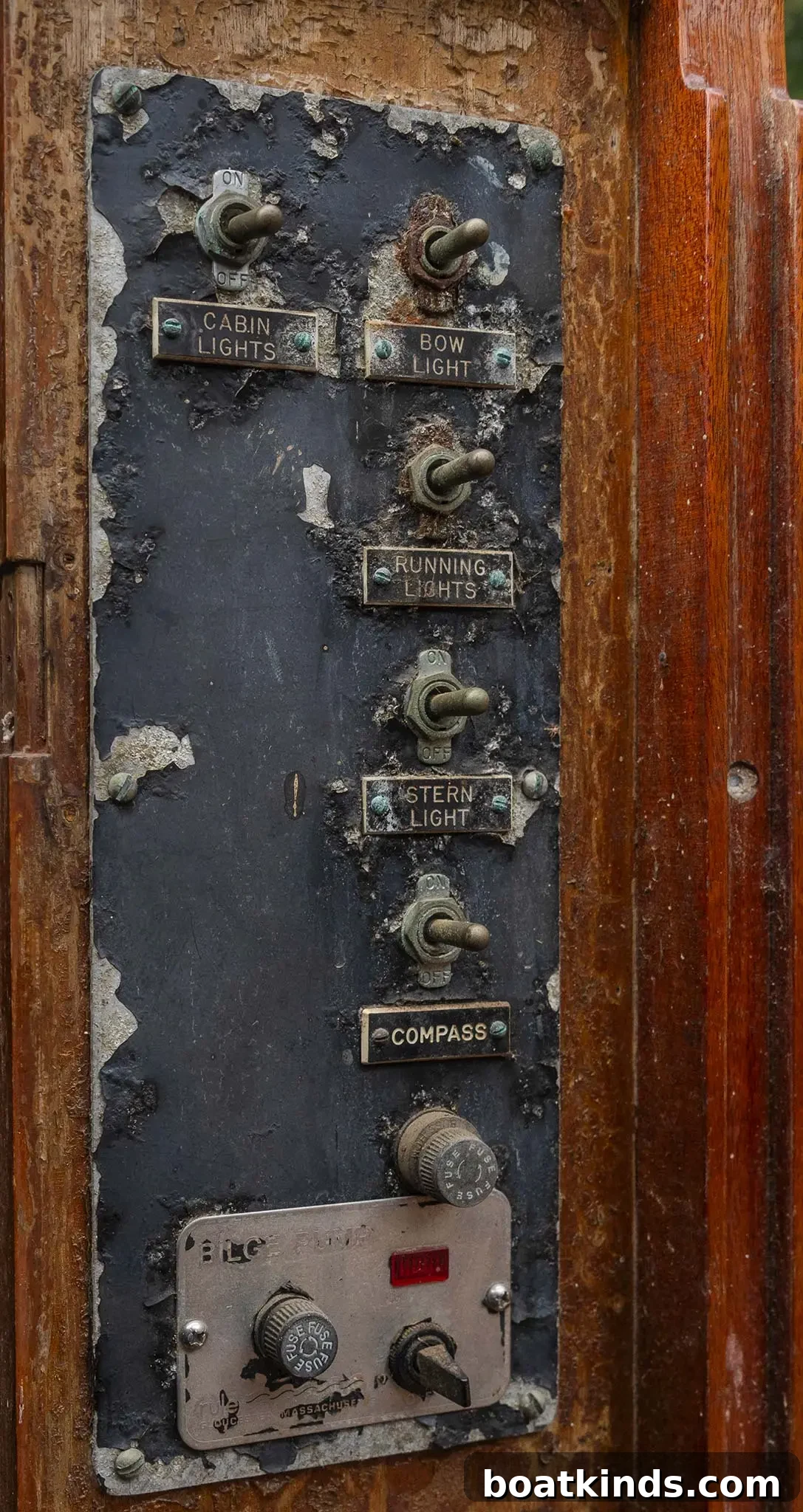
Folkboats were not designed for ocean crossings, so Sites Adams had to outfit the little boat for the Pacific. With only months of sailing under her belt, she added lifelines and pulpits, extra winches, a self-bailing cockpit with scuppers, beefed-up rigging to carry twin foresails in the trades, reinforced fittings, bilge pumps, and a basic self-steering arrangement. She named the boat Sea Sharp — a nod to readiness and a playful reference to practicing a crisp C-sharp on the cello.
Raised an orphan in rural Oregon, Sites Adams had little exposure to the sea until the mid-1960s. Widowed in her 30s, she visited the newly opened Marina del Rey after church one Sunday in 1964. Watching yachts tack and turn, she felt an immediate curiosity. “I wondered how those sailors knew what to do. I was intrigued,” she wrote. “That was it — my transformation. My genesis. It was honestly that much chance, or karma, or kismet, that brought me to the ocean.”
She enrolled in a sailing school, quickly learned basic seamanship and navigation, and bought a 21-foot fiberglass cruiser. She raced and cruised locally before deciding — much to the alarm of friends and officials at the 11th Coast Guard District — to sail alone to Hawaii. Critics labeled her reckless, but she was determined. Single-handing a small boat to Hawaii in the 1960s was an act of audacity: no modern communications, petroleum lights, and the simple, stark objective of making landfall.
Sites Adams said she never set out to be an icon; she simply wanted to see whether she could do it on her own terms. She had weathered personal storms before, including leaving her first husband and children, and later losing a second husband to cancer. Sailing became both refuge and declaration. “A woman doesn’t have to give birth to be a mother,” she observed in her book, reflecting on the judgments women faced for pursuing independence in that era.
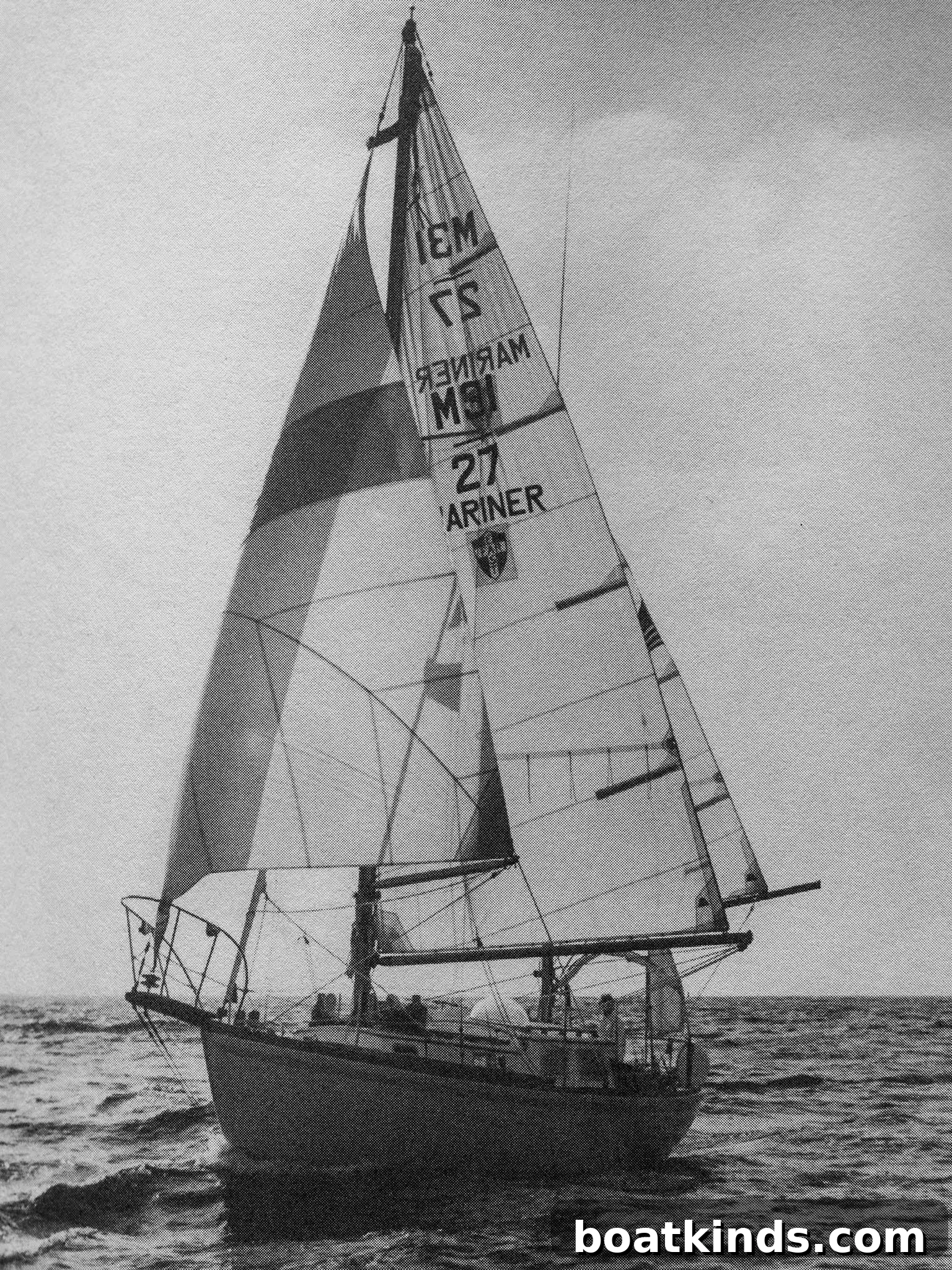
Her Pacific voyage was only the beginning. She later rounded Cape Horn aboard the Queen Mary, crossed Lake Titicaca at 12,500 feet, and visited remote islands in the Vanuatu archipelago. In 1969 she returned to ocean voyaging aboard Sea Sharp II, a Mariner 31 ketch provided by its builder, sailing from Yokohama to San Diego — a 5,000-mile passage that took 74 days and 17 hours and earned her another first for a woman skipper.
Sites Adams’ achievements place her alongside other notable singlehanders such as Kenichi Horie, the Japanese sailor who crossed from Osaka to San Francisco in 1962. But unlike Horie, who began sailing as a youth and sailed minimalist boats, Sites Adams took up the sport in her 30s and carried a distinct personal style. Photographs in her book show her preference for elegant clothing — she even sewed dresses at sea and wore a pink suit and polished nails on arrival in port.
This year marks the 60th anniversary of her Hawaii crossing. Sites Adams remains sharp and active, living in Portland, Oregon. Her original Folkboat, however, needs major restoration — which is where the People’s Boat Project steps in.
“I want to keep the boat as original as possible,” Wilson says. The restoration will involve painstaking deconstruction to assess what can be salvaged. The keel will be removed so the backbone can be replaced, work that Wilson will oversee as the shipwright. Gunn will manage spars, rigging and on-water instruction. Edensaw Woods has donated land for a workshop, and the local boatbuilding community is providing tools and expertise. Gunn and Wilson are funding startup costs until the nonprofit is established and fundraising begins.
The Project plans to launch sailing and seamanship classes even before the Folkboat is seaworthy, creating a sustainable program that trains people in traditional skills. Much of the vessel’s survival is owed to John Janetty, 78, of Vashon Island. After Sites Adams’ arrival in Honolulu in 1965, she shipped Sea Sharp back to Los Angeles to sell it. Later renamed Seabell, the boat circulated among owners until Janetty bought it in the late 1970s and cruised locally. He eventually christened it Sea Lark, though Sites Adams reserved the name Sea Sharp for herself.
Years of exposure left the boat with corroded keel bolts, a common problem for wooden Folkboats, and it nearly sank at its mooring. Janetty stored it in a shed in the late 1990s, and despite attempts to sell the storied craft, it remained unsold until flyers bearing the name Sea Sharp appeared around Port Townsend. Gunn and Wilson seized the opportunity to secure it as a donation to their fledgling program.
Back at the yard, after that brisk blow shredded the tarp, the boat was left exposed, awaiting a new shed and long-term care. Restoring the boat will be a complex project — exactly the kind of challenge the People’s Boat Project embraces. The story of Sites Adams and her little Folkboat is a reminder of determination distilled into two simple words: Why not?
A SPUNKY DIVA
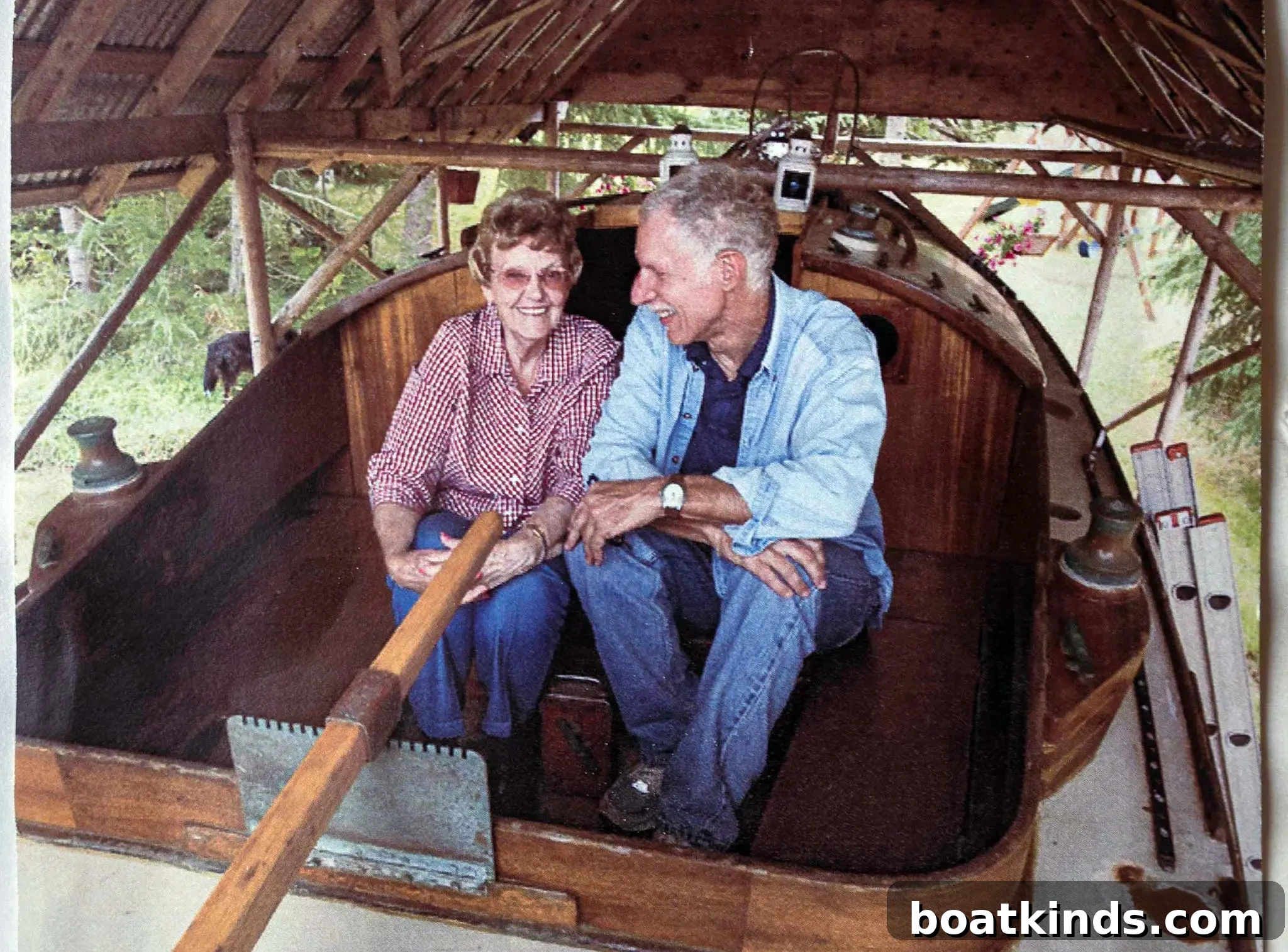
When researching this story, Soundings visited Sites Adams at her home, where she posed for photographs with John Janetty. Slim and small in stature, she wore a pullover and slacks and peered at visitors through rimless, pink-tinted glasses. She answered questions patiently but declined a scheduled portrait session, saying, “there are already enough pictures of me.” She takes pride in her story and in the recognition it brings, but mostly she says the open ocean taught her what it feels like to be alive.
Your book never mentions heaving to as a storm tactic. Why is that?
I never hove to my whole life. Some books suggest putting a parachute sea anchor out, but I never did that either. I don’t want people to learn sailing from me; I used common sense in the moment, so I can’t prescribe a method for others.
What about the safety harness?
I hardly wore one. I tried it once or twice and it nearly threw me overboard, so I stopped.
How did you summon the courage for long solo voyages?
I don’t call it courage. A few years ago I jumped from an airplane — that took courage. For the voyages, I always wanted to do them and took the opportunities as they came.
How did rigging issues affect your voyage from Japan?
I couldn’t raise my large genoa for a long time, which cost me time. I used duct tape where the sail would chafe, and it got me down the coast. I did want that sail — it had a hot pink stripe. Otherwise I might not have bothered.
Did you ever think of yourself as a role model for women sailors?
No, I never saw myself that way.
Who were your role models? You mentioned Joshua Slocum.
He was the first, and his voyage was singular. You can’t really compare one person’s experience to another. The girls sailing today can call home every night; back then, families often didn’t know whether their sailors were alive or lost at sea. It was a different life.
February 2025