
Maine’s New Boater-Education Law: What It Does and Why It Matters for Boating Safety
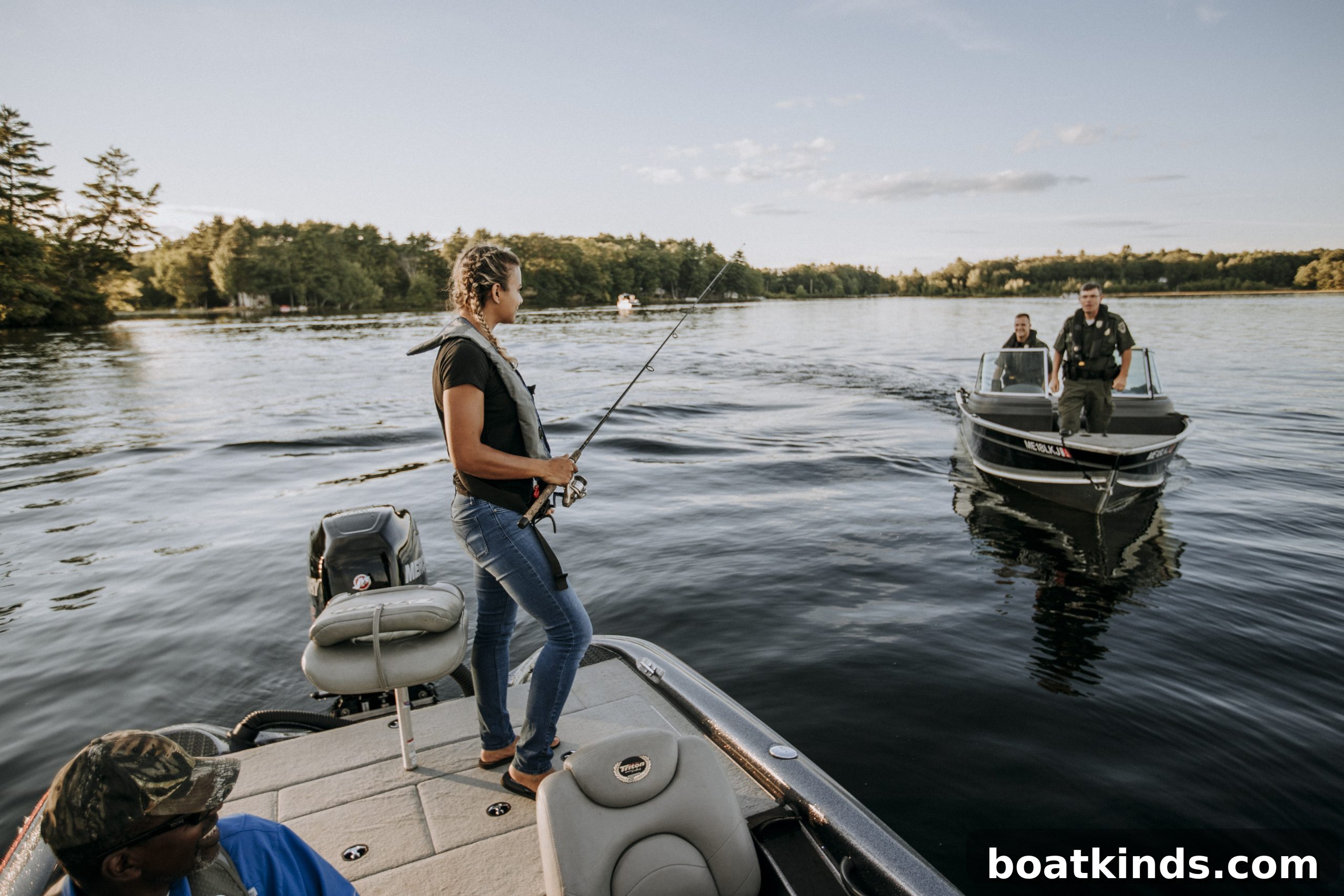
Which age group causes the most recreational boating crashes: teenagers and young adults, or people in their 30s to 50s? A new law in Maine appears to target younger boaters, but the reality is more nuanced. The state’s recent boater-education legislation reflects a long-running national debate about mandatory boating safety courses and represents a political compromise aimed at improving safety on inland waterways.
Maine joined the ranks of states requiring boater-education courses relatively late—its bill was proposed after at least 36 other states had already enacted some form of mandatory instruction. The debate at the State House echoed familiar arguments: advocates for mandatory education stressed rising incidents and unsafe behavior on lakes and rivers, while opponents—often experienced recreational boaters and sportsmen—resisted the idea of being required to take classes for skills they feel they already possess.
“The last time we talked about this 25 years ago, people were like, ‘Why do we need boater education? Gramps and I have been out in the boat for years. It’s not a problem,’” says Game Warden Colonel Dan Scott of the Maine Department of Inland Fisheries and Wildlife.
Maine traditionally has allowed people of any age to run boats with low-horsepower motors, and for decades children as young as eight or nine have been rowed or supervised on small aluminum fishing boats with modest outboards. The state already had a restriction requiring youngsters to be at least 12 years old to operate boats with engines of 25 horsepower or greater—common-sense limits designed to keep very young children off powerful vessels.
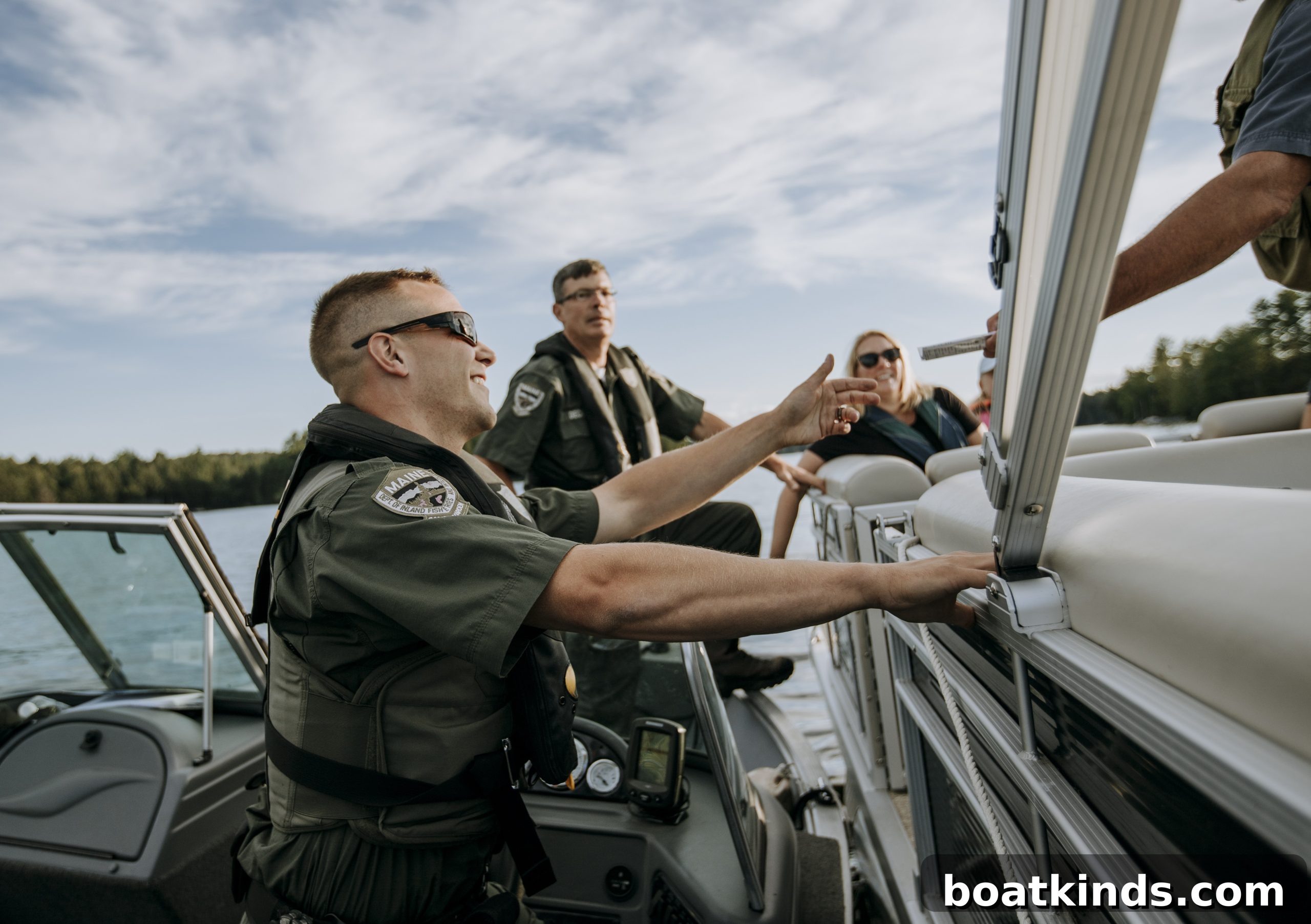
The law that passed in April adds a new requirement: starting January 1, 2024, anyone born after January 1, 1999, operating boats with 25 horsepower or more on Maine’s inland waters must complete an approved boater-education course. In practical terms, that means the mandate will cover ages roughly 12 to 25 in its first year, then expand by a year of birth each subsequent year. At first glance, the policy targets younger boaters, but state officials say the crash data tell a different story.
“The data says we really should be giving this information to the 30- to 50-year-olds,” Colonel Scott observes. “If you’re sharp and you do some math, you’ll see that it’s going to take us five to 25 years to get to the 30- to 50-year-olds. The 50-year-old today will never be required to take this.”
That reality helped shape the bill into a compromise designed to begin expanding boater education without immediately sweeping in decades of experienced boaters who supported resistance to a blanket mandate. Representative Jessica Fay, a Democrat from the 66th District who sponsored the bill, says she recognized how community attitudes had changed. Growing up, she learned boating on a small aluminum boat with a 6-hp outboard; by the time she ran for office in 2016, larger, faster vessels were common on lakes such as Sebago.
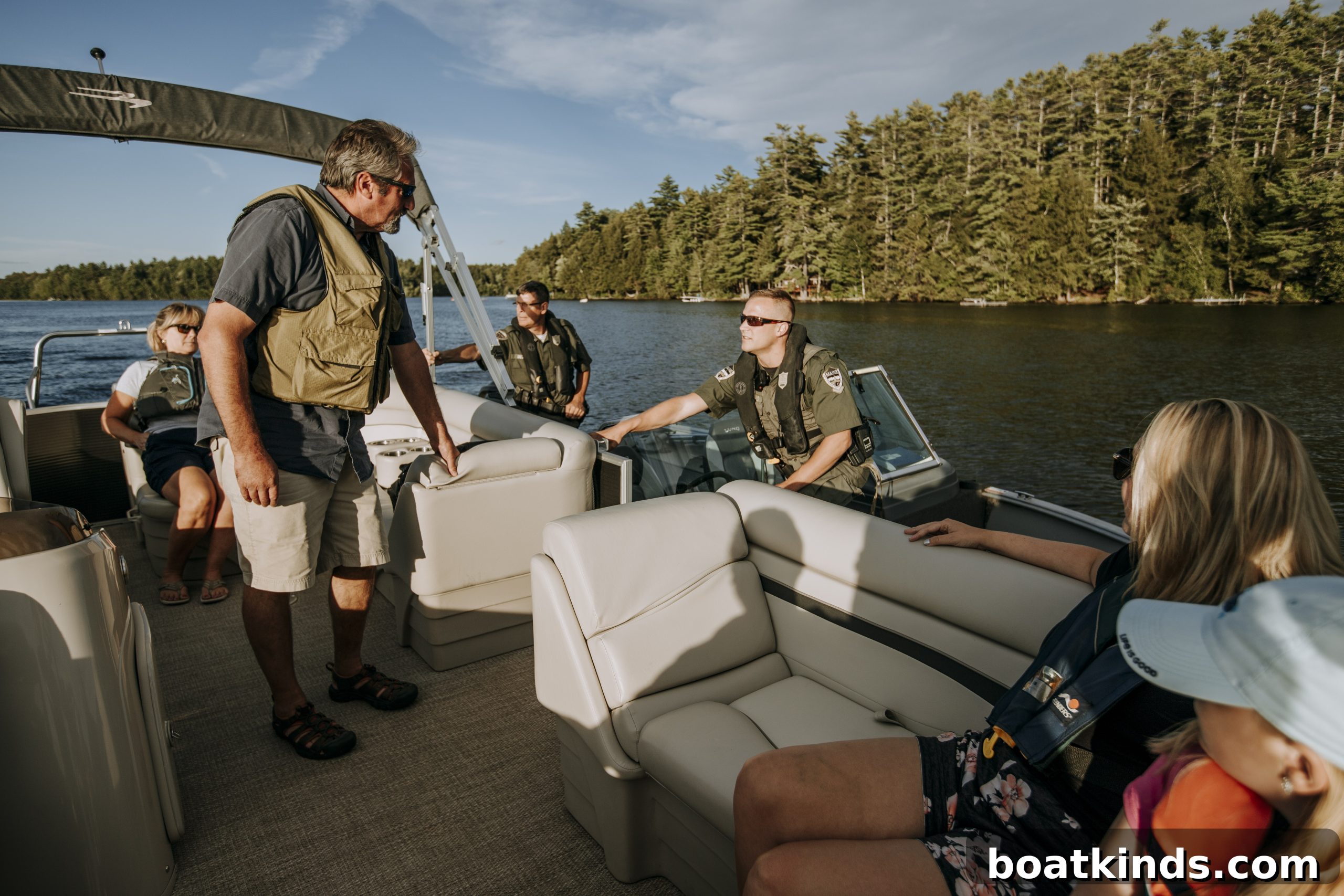
Fay and law enforcement began hearing an uptick in complaints well before the law passed. The COVID-19 pandemic accelerated that trend: nationwide and in Maine, boat sales surged as people looked for outdoor recreation. Many new boat owners lacked basic boating skills and awareness of safe operation around swim areas, shorelines, and nesting wildlife. Colonel Scott recounts reports of excessive speed, close passes, and large wakes that damaged shorelines and disturbed loons during nesting season.
National data from the U.S. Coast Guard shows that 77 percent of boating deaths involve operators who did not receive boating-safety instruction, and that there has been a notable share of fatalities among middle-aged boaters. Maine’s wardens and boating officials see similar patterns: many incidents and complaints involve people in their 30s to 50s who can afford larger, faster boats but may lack experience handling them.
“We’re all worried about this younger age, but statistically, it’s people more my age that are the problem,” says Lt. Jason Luce, Maine’s boating law administrator. “It’s middle-aged men who cause the problems. At that point in their life, they have the extra money where they can afford to buy a big, fancy boat instead of a little aluminum boat with a trolling motor, and they don’t know how to operate them.”
Even with the data pointing to older recreational boaters, lawmakers found a younger-first approach politically viable. By phasing the requirement in by birth year, lawmakers hoped to make boater education more acceptable while beginning to build a culture of safety. Representative Fay framed the approach as pragmatic: start with younger operators, educate a new generation, and let that knowledge ripple through families and communities.
“I thought, you have to start somewhere. Let’s dip a toe in the water—forgive the pun—and see if we can at least educate younger people, and maybe, just maybe, if they’re out on the water with their family, they’ll even be able to help educate their parents about the right way to operate,” Fay said.
The debate is far from finished. The new law also tasks the Department of Inland Fisheries and Wildlife with convening stakeholders to review the program and recommend further changes. Colonel Scott plans to bring additional data and perspectives back to the legislature for future consideration, with the goal of expanding effective boating-safety education over time.
For now, Maine’s phased boater-education law represents a compromise step toward safer inland waterways: a mandate that begins with younger operators but carries the promise of broader education and, ultimately, safer behavior on the water.
This article was originally published in the July 2022 issue.