
How I Cleared a Clogged Marine Air Conditioner Without Buying Expensive Parts

At first I noticed a thinner-than-usual stream of cooling water draining from my self-contained marine air-conditioning unit. I shrugged it off, assuming it was a temporary glitch. A few days later the stream was noticeably weaker, but I convinced myself that repairing it would be expensive and that I’d delay the work. Eventually the flow stopped altogether — a sad little burp and nothing more. The cabin heat the next night made it clear I couldn’t wait any longer.
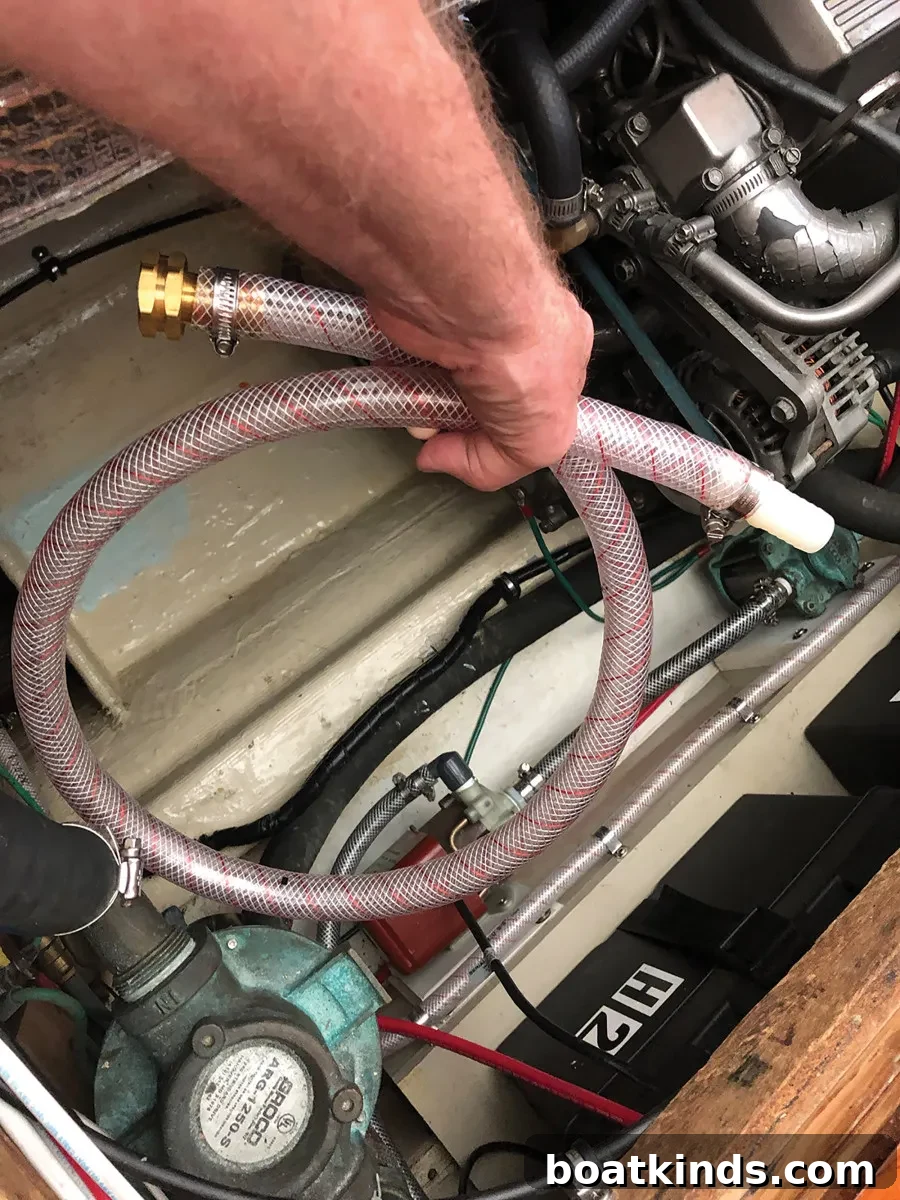
I braced for the worst: buying parts and crawling on my back into the bilge. Before I started mixing chemicals and dropping a pump into a bucket of Barnacle Buster, a friend, Jerry, dropped by. When I explained the situation he reached into his boat and handed me a simple tool that looks like the one shown here.
Jerry explained that marine air-conditioning systems don’t always clog with barnacles, zebra mussels, or calcium. Often the culprit is a mass of leaves, pine needles and other debris sucked into the seacock feeding the system. We’d had more rain than usual, he said, and that brings more floating debris. He’d had to clear his own intake several times recently, and the simple device he used worked every time.
What I Did — Step by Step
Following his lead, I performed a straightforward, safe procedure to clear the line and restore full flow:
- Safety first: I turned off the air-conditioner breaker to prevent the pump from running while I worked and to avoid any electrical hazards.
- Isolate the intake: I closed the related seacock to stop seawater from entering the system while I disconnected hoses.
- Disconnect the hose: I loosened the clamp on the 3/4-inch hose between the air-con pump and the sea strainer and pulled the hose free from the strainer.
- Attach the cleaning tool: One end of Jerry’s device connects to a dock hose. I secured that end and inserted the other end — fitted with a 3/4-inch barbed nylon nipple clamped to the hose — into the hose still on the pump.
- Flush in the forward direction: With all clamps tightened, I turned on dock water. The flow powering through the pump and air-con was strong — a clear sign the pump and heat exchanger were free of obstructions.
- Backflush the sea strainer: After removing Jerry’s device and its fitting, I pushed the empty hose onto the downstream side of the sea strainer, tightened the clamp and turned on dock water again. When I opened the seacock, a plug of pine needles and leaves came free with a satisfying kachunk.
- Final checks: I backflushed for a few minutes to ensure everything was clear, reconnected all hoses and clamps, opened the seacock, and restored power to the air-conditioner.
How to Make the Tool
The tool is extremely simple. I made a copy of Jerry’s by clamping a standard garden-hose fitting to one end of some 3/4-inch water hose and attaching a 3/4-inch barbed nylon nipple to the other end. You’ll need different fittings if your system uses larger or smaller hose sizes. The total cost for my homemade device was under ten dollars. It’s cheap, portable, and effective.
Why This Works
Marine AC systems rely on unobstructed seawater flow through the seacock, pump, sea strainer and heat exchanger. When debris accumulates in the intake or sea strainer, flow is restricted and the system can overheat or shut down. Flushing the system forward and then backflushing the strainer clears trapped debris quickly without costly part replacement. The two-direction flush confirms both the pump and the strainer are clear.
Tips and Precautions
- Always turn off electrical power before disconnecting hoses or working near pumps.
- Close the seacock before disconnecting hoses to reduce uncontrolled water ingress.
- Use hose clamps rated for marine use and ensure all connections are tight before restoring pressure.
- Inspect the sea strainer basket after flushing and remove any residual debris if accessible.
In short, a little troubleshooting and a small homemade tool restored my air-conditioning system without expensive parts or a long struggle in the bilge. If you encounter a sudden drop in cooling-water flow, consider checking the intake and sea strainer for organic debris before assuming the worst.