
Sirius Signal C-1002: A Safer, Sustainable Alternative to Traditional Marine Flares
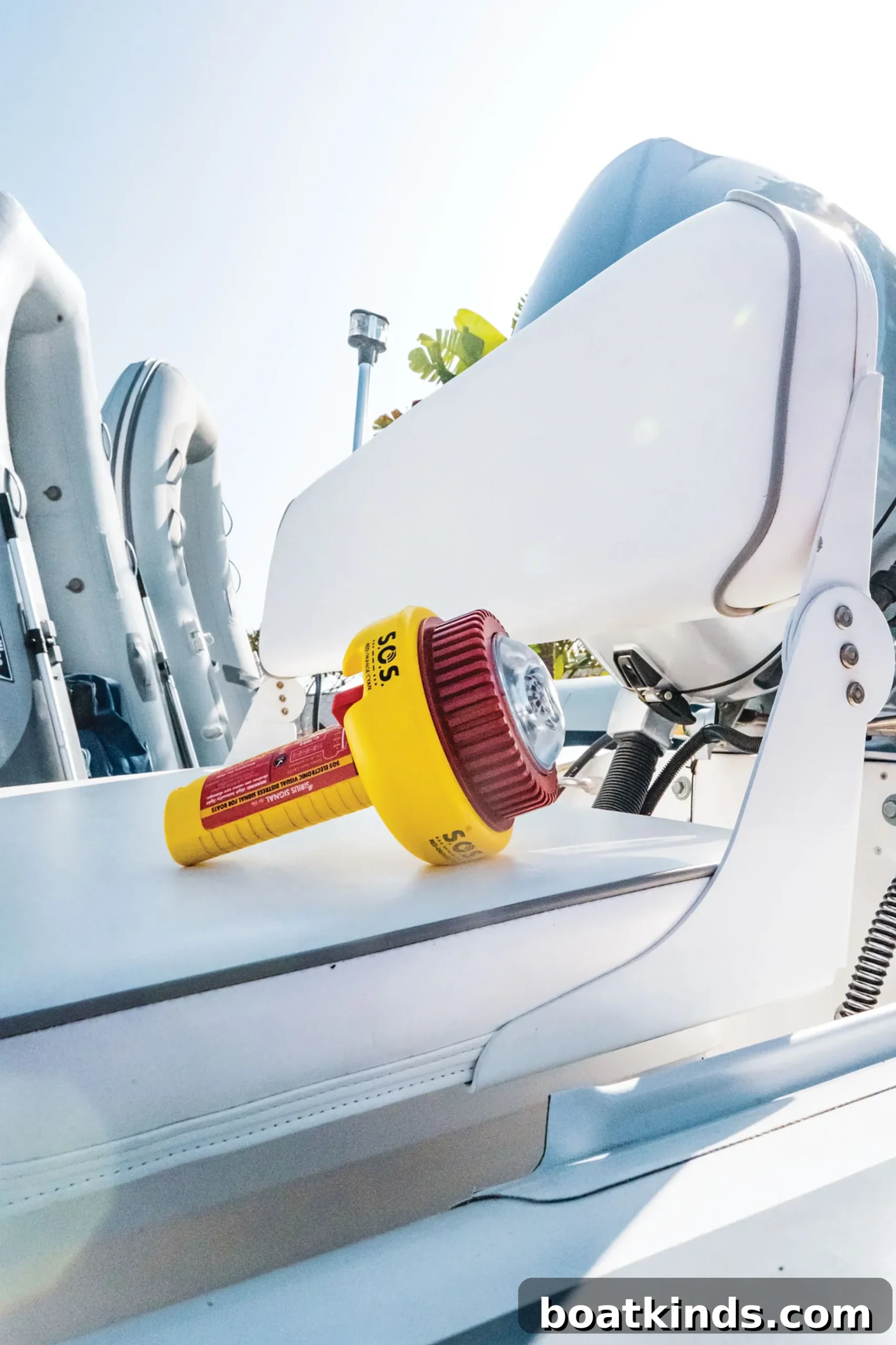
Responsible boaters routinely carry visual distress signals to meet U.S. Coast Guard (USCG) requirements and to summon help in an emergency. Until recently, that meant pyrotechnic flares. New alternatives, however, are changing the way recreational mariners signal for help. The Sirius Signal C-1002 eVDSD is a battery-powered, two-color distress light designed to meet USCG daytime and nighttime visual distress signal requirements while eliminating the hazards and waste associated with traditional flares.
Developed as an evolution of Sirius Signal’s C-1003 white distress light, the C-1002 builds on a decade of dialogue between the Coast Guard and manufacturers looking to replace pyrotechnic signals. The C-1002 uses 13 LEDs arranged in red-orange and cyan colors and includes a central infrared LED for detection with night-vision equipment. The unit is also programmed to flash the internationally recognized SOS pattern. According to Sirius Signal CEO Anthony Covelli, the device’s timing sequence is so precise that the signal can be detected by satellites—an indication of the product’s engineering rigor.
Power comes from eight CR123 lithium batteries with an advertised 10-year shelf life; the initial set is included with each unit and replacements are widely available. The light employs a mechanical switch for activation, similar in concept to a household circuit breaker, avoiding delicate wiring that can fail under marine conditions. This straightforward mechanical activation improves reliability and reduces failure points on the vessel.
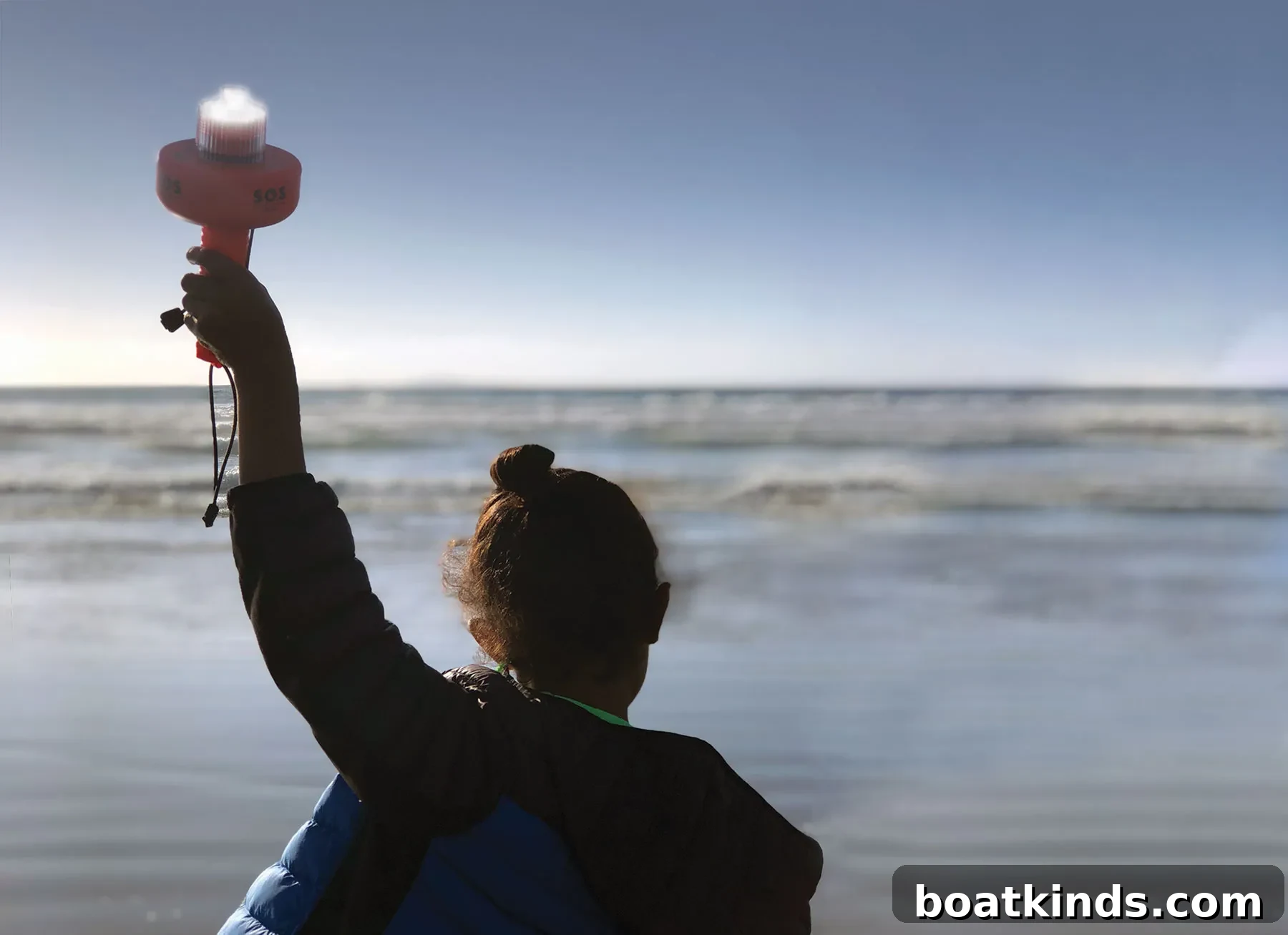
Compared with pyrotechnic flares, the C-1002 offers several practical advantages. Because it is nonpyrotechnic, it eliminates the fire risk associated with burning flares and can be displayed directly upward for greater visibility without the need to hold it away from the boat. Whereas a typical flare burns for roughly one minute, the C-1002 can continue flashing for hours, providing a sustained, visible distress signal for rescuers. Sirius Signal also designed the unit to be serviceable, with an intended long operational life—potentially a lifetime device with proper maintenance.
Environmental considerations are a major driver behind the shift to electronic visual distress signals. Traditional flares are classified as explosives and present disposal challenges; recycling and safe disposal programs are limited. For example, just two of California’s 52 counties reportedly run ongoing flare disposal programs. The U.S. Coast Guard estimated in 2014 that hundreds of thousands of flares expire every year in states like California and Florida, creating hazardous waste that many boaters end up discarding improperly.
Expired pyrotechnic flares contain chemicals such as perchlorate, which can contaminate groundwater if dumped in landfills. Perchlorate can interfere with iodide uptake in the thyroid gland, posing particular risk to pregnant women and developing fetuses. Sirius Signal notes that the chemical content of a single flare can contaminate a substantial volume of water if introduced to the environment, highlighting why a reusable, battery-powered solution reduces both safety risks and pollution.
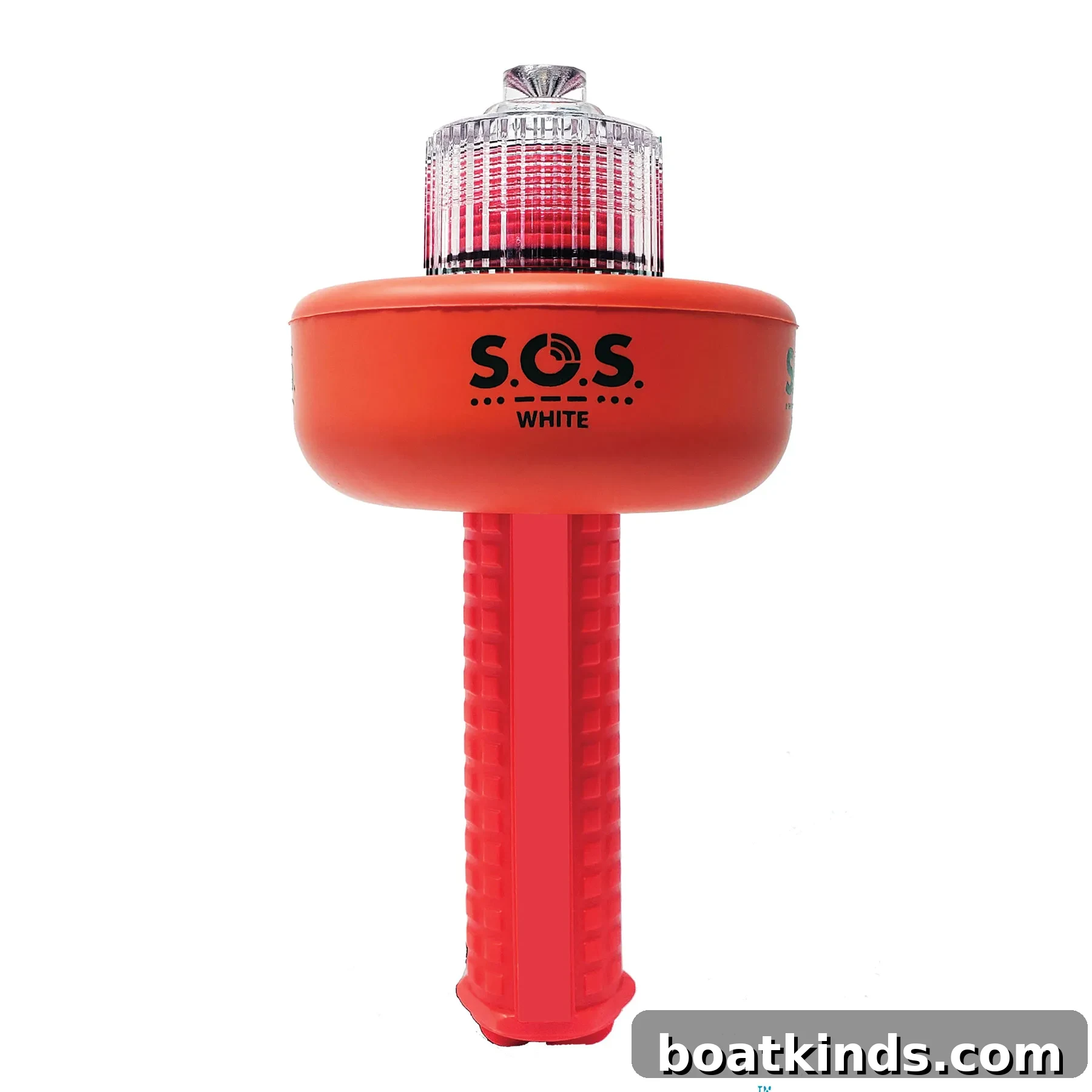
The C-1002 also provides modern connectivity options. It can be activated via Bluetooth from a smartphone, though manual activation is always available. An included Sirius Signal Alert & Notification mobile app allows users to monitor battery life and file a digital float plan that is sent to up to five emergency contacts. When a trip begins, the app shares a launch point and expected return time with those contacts and then records the vessel’s GPS position every ten minutes. That tracking data is stored in the cloud, simplifying search efforts for the Coast Guard or other rescuers should the boater fail to cancel the trip by the anticipated return time.
By combining reliable, nonpyrotechnic signaling with digital notification and tracking features, Sirius Signal aims to make boating safer and more environmentally responsible. The company’s message is direct: eliminate the need for disposable flares and adopt durable, rechargeable, or battery-powered electronic visual distress signals that offer continuous operation, reduced hazards, and easier emergency response.
For recreational boaters seeking modern compliance and improved safety, the C-1002 represents a significant step forward. It meets visual distress requirements, extends signaling duration well beyond the brief burn time of a flare, and reduces the environmental and handling hazards associated with explosive pyrotechnics. As regulations and industry practices evolve, many expect electronic distress lights like the Sirius Signal C-1002 to become the preferred solution for both everyday boaters and safety-conscious mariners.
This article was originally published in the July 2021 issue.