
Gougeon Brothers: How Wood and Epoxy Transformed Boatbuilding
In the early 1960s, fiberglass was revolutionizing boatbuilding and wooden construction was rapidly declining. In Bay City, Michigan, however, the Gougeon brothers—Meade, Joel and Jan—believed wood still had a future if paired with the right adhesives and techniques. Their experiments and innovations led to epoxy products and building methods that changed the industry.
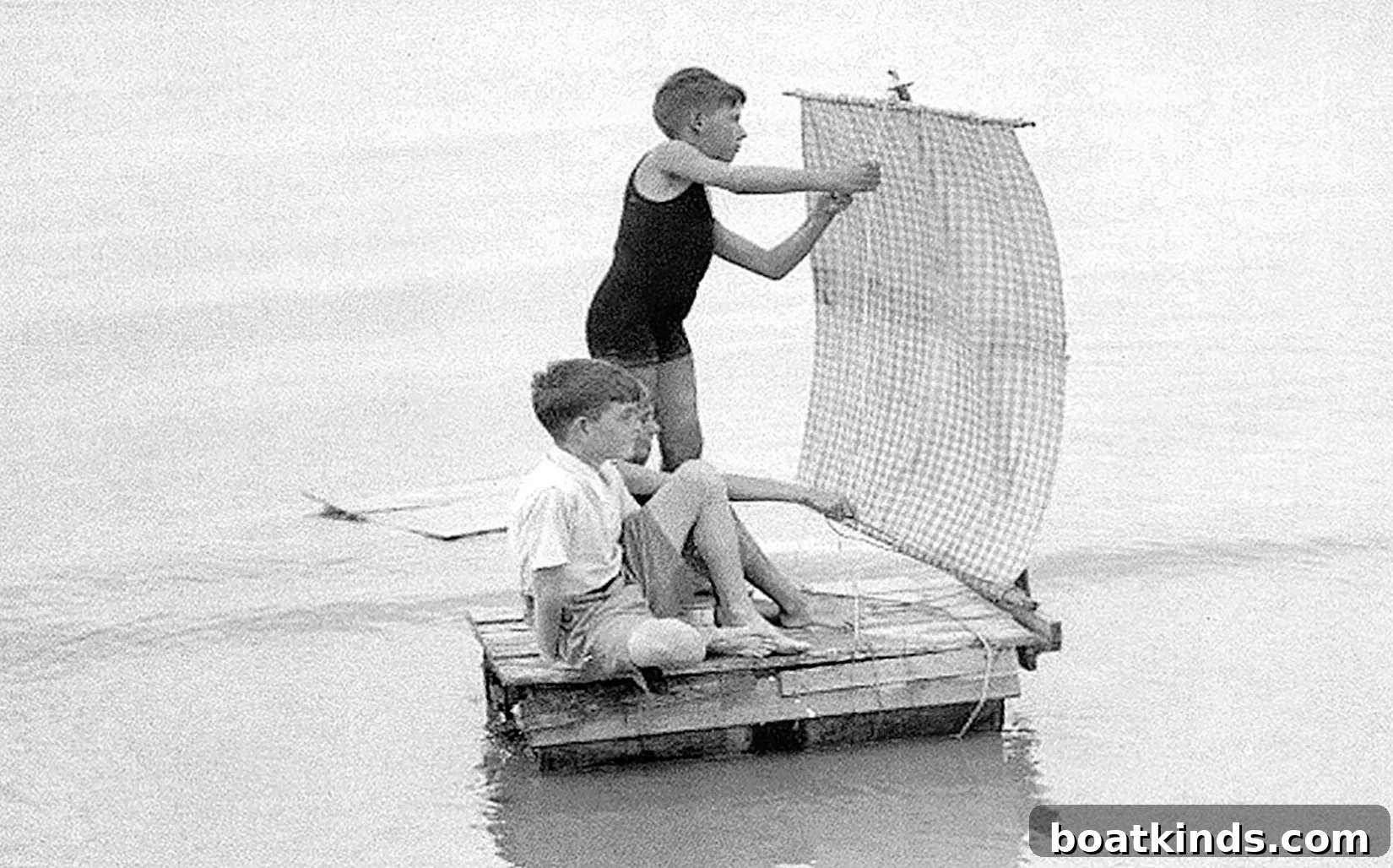
The brothers grew up sailing on Lake Huron’s Saginaw Bay in the 1950s. Like earlier generations, they built boats on the beach using wood, bronze Anchorfast nails and Weldwood glue. One early project—the Optimist pram—was pivotal. Jan, the youngest, was small, often sickly and shy, but after building and sailing an Opti he gained confidence. He raced his pram for 50 straight days and never lost again—an experience that pushed him toward a career in boatbuilding.
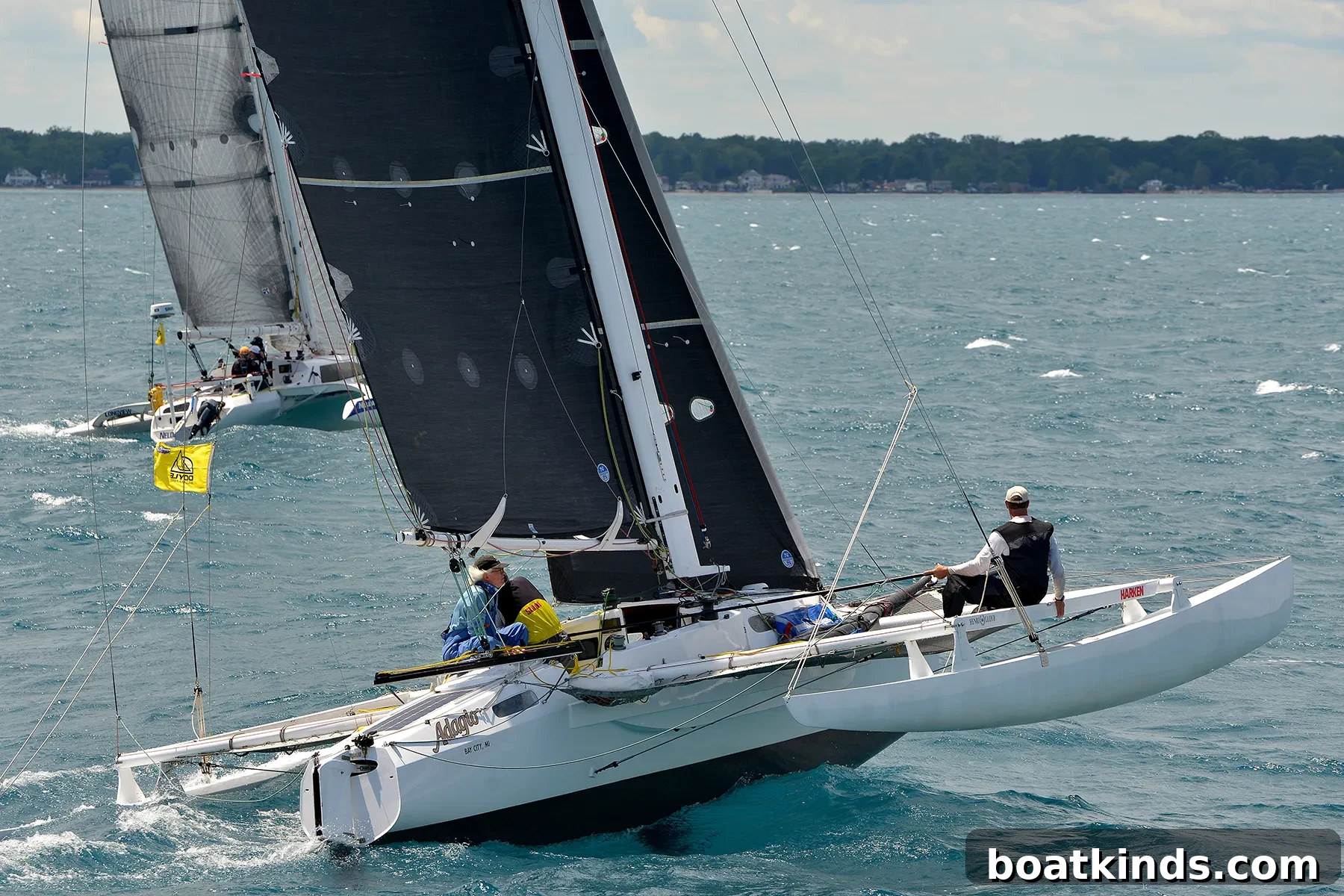
Early on the brothers used resorcinol glue, which bonded well but required heavy clamping and offered poor gap-filling. They realized that fasteners and joints, not plank strength, were often the weakest parts of a wooden boat. In 1959 Jan apprenticed with Vic Carpenter, a builder and early epoxy advocate who convinced them of epoxy’s potential for stronger, more reliable wooden boats.
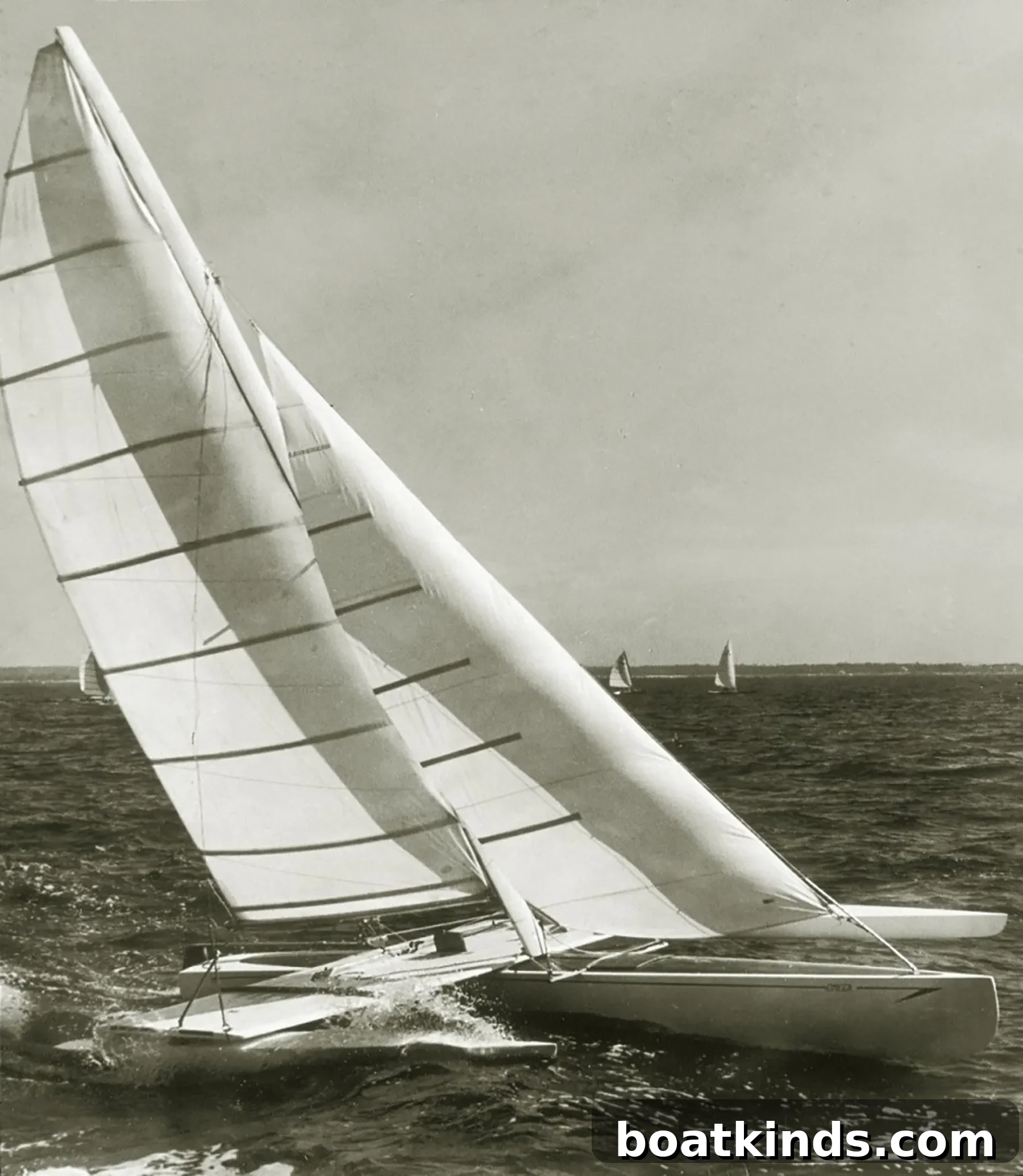
Meade experimented with epoxy in the early 1960s, building small boats and several experimental trimarans. Some early projects failed—joints broke and amas detached—but the brothers persisted, learning how formulation and application mattered. Meade’s 25-foot trimaran Omega (E3), built in 1965, was a turning point. It performed exceptionally at Yachting’s One-of-a-Kind Regatta, finishing more than 50 minutes ahead of the next competitor and attracting significant attention from the sailing press.
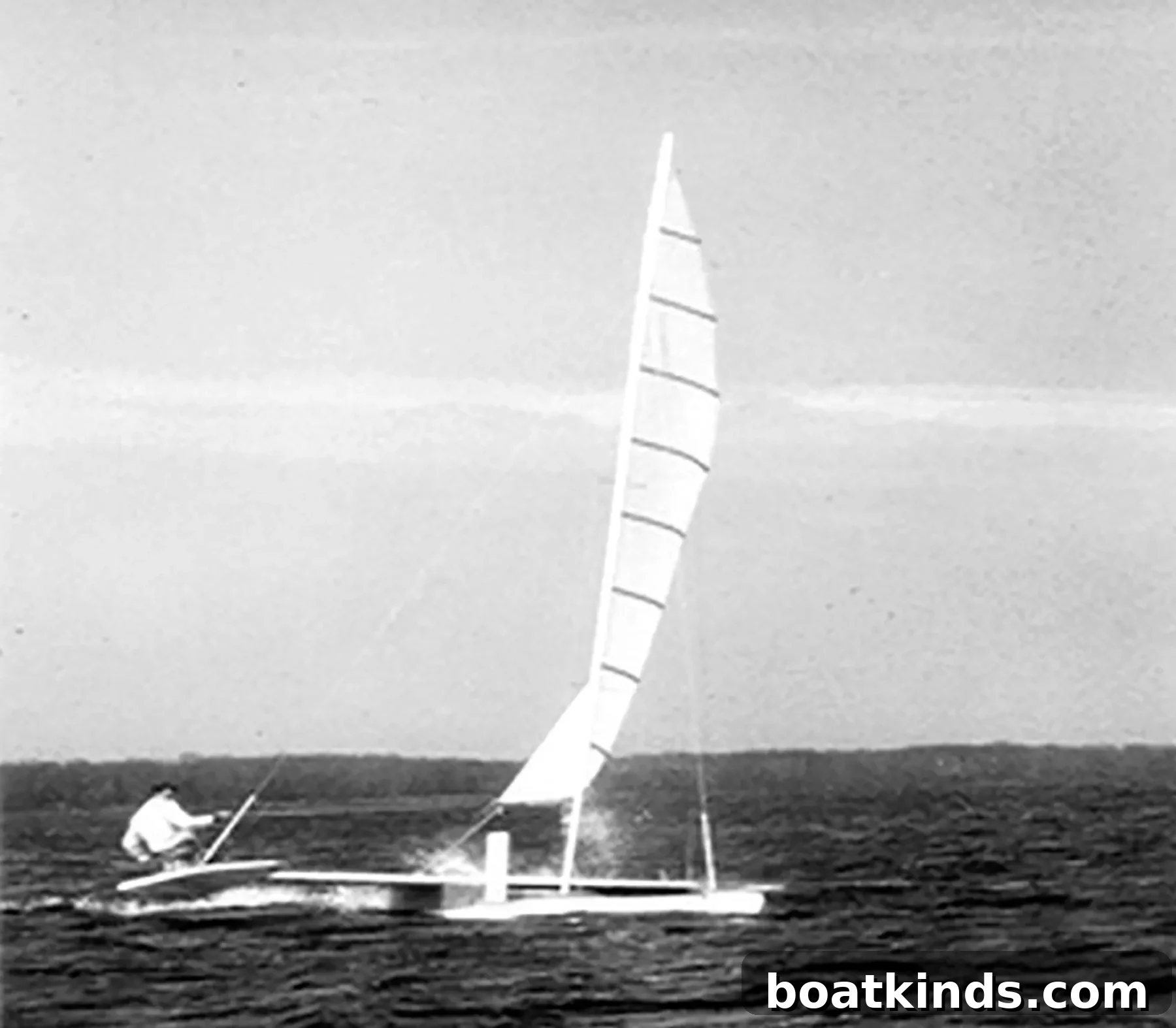
Bay City’s iceboating community also informed their work. As competitive DN iceboaters, the Gougeons applied epoxy techniques to DN construction, producing roughly 200 boats and honing lightweight, high-strength builds. Jan dominated DN racing for decades, winning four world championships and 11 national titles between 1971 and 2000; Meade also won national titles in 1981 and 1997.
The Gougeons benefited from proximity to Dow Chemical in Midland, Michigan. A chance encounter with Herbert Dow led to a collaboration with Dow chemists, who helped the brothers reformulate epoxy with diluents and additives tailored to boatbuilding needs. Meade became a practical bench chemist, refining epoxy for reduced shrinkage, controlled cure times, gap-filling, moisture resistance and lower odor.
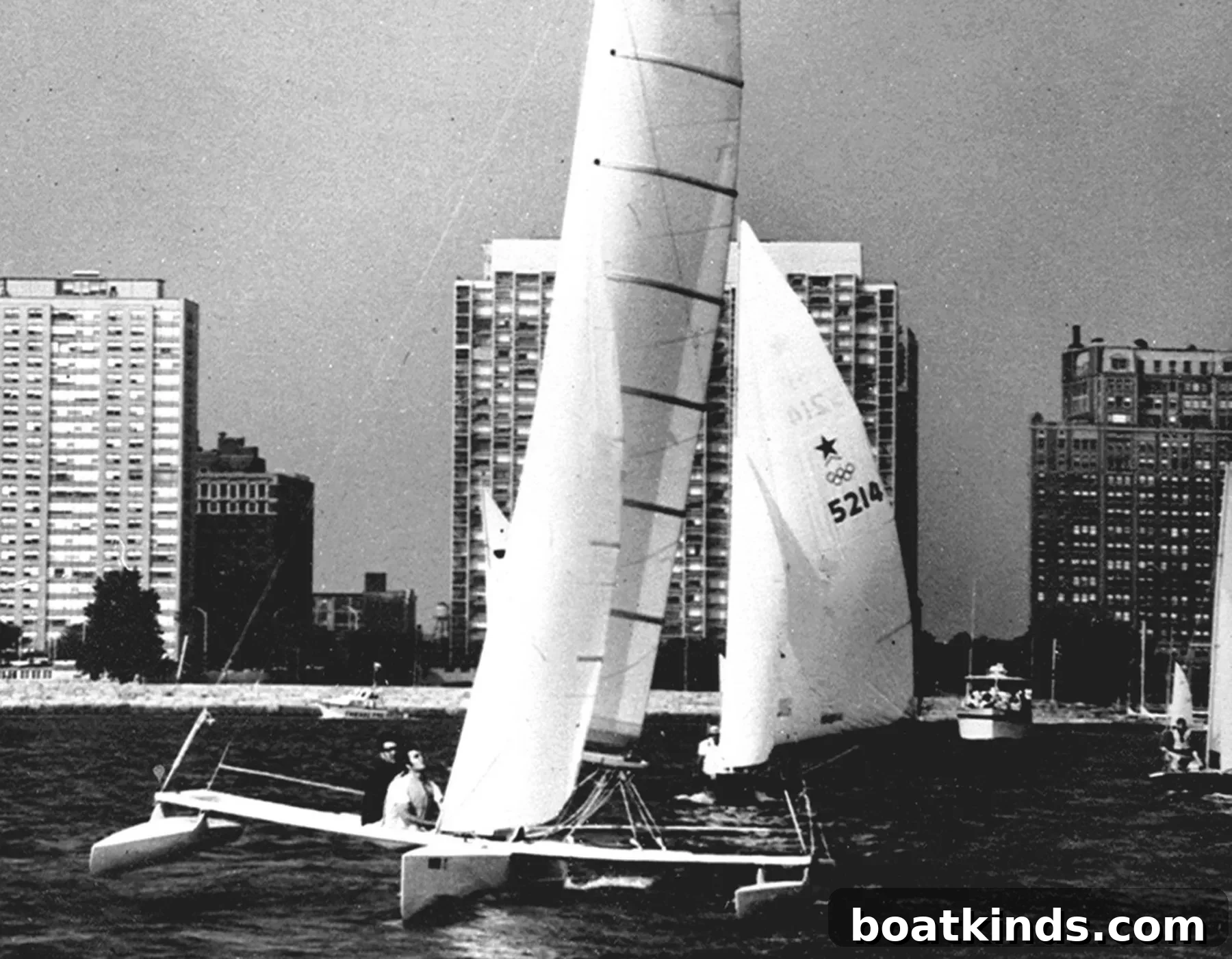
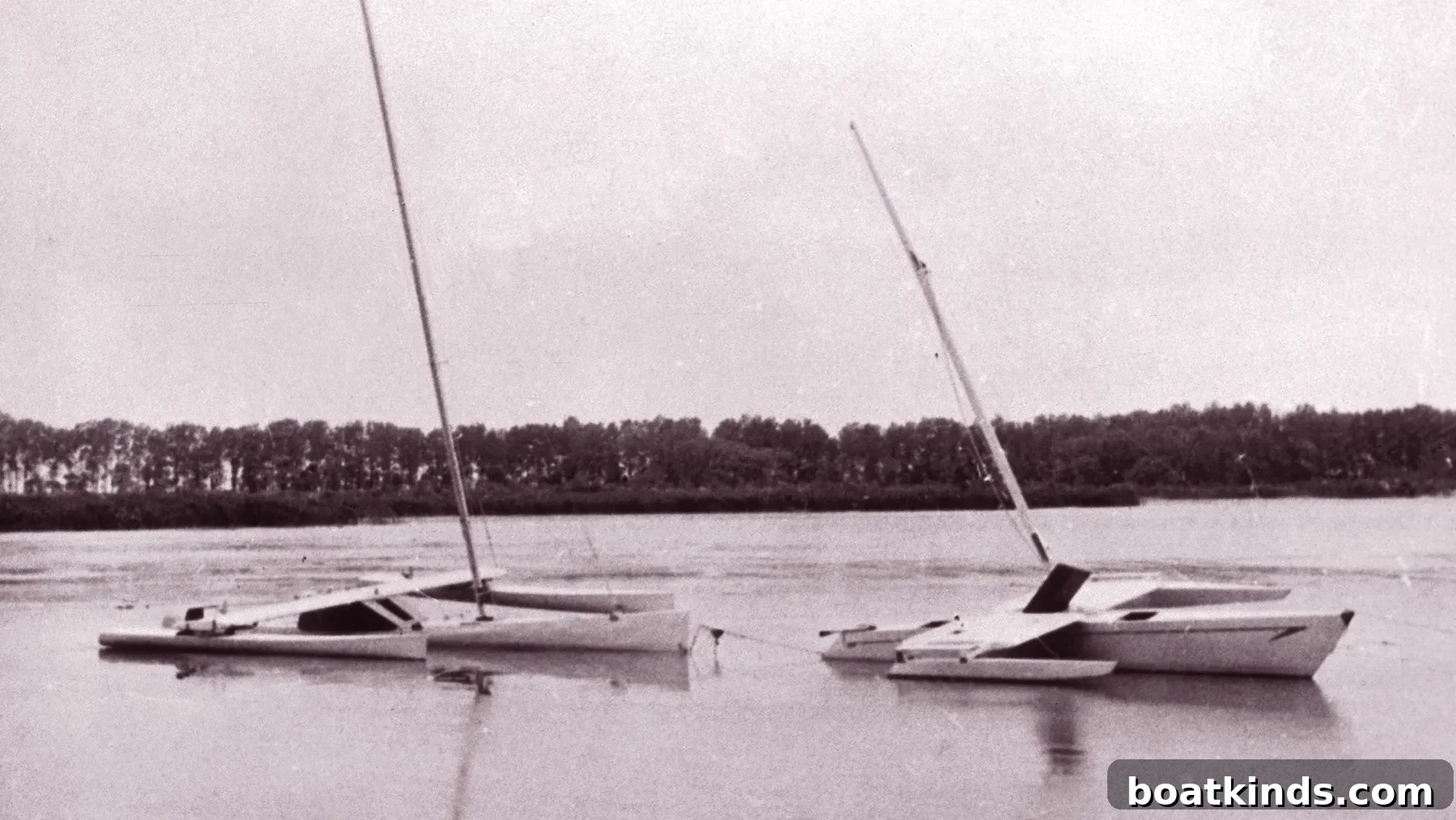
Word spread that the brothers had developed a way to build lighter, faster and more resilient wooden boats with epoxy. In 1969 Jan and Meade founded Gougeon Brothers Boatworks, producing DNs, multihulls and racing monohulls. Meade’s E4 Victor T and E5 Adagio demonstrated the potential of all-epoxy-bonded wood construction. Adagio, a 35-foot trimaran built without fasteners, dominated Great Lakes racing and proved the method’s speed and durability.
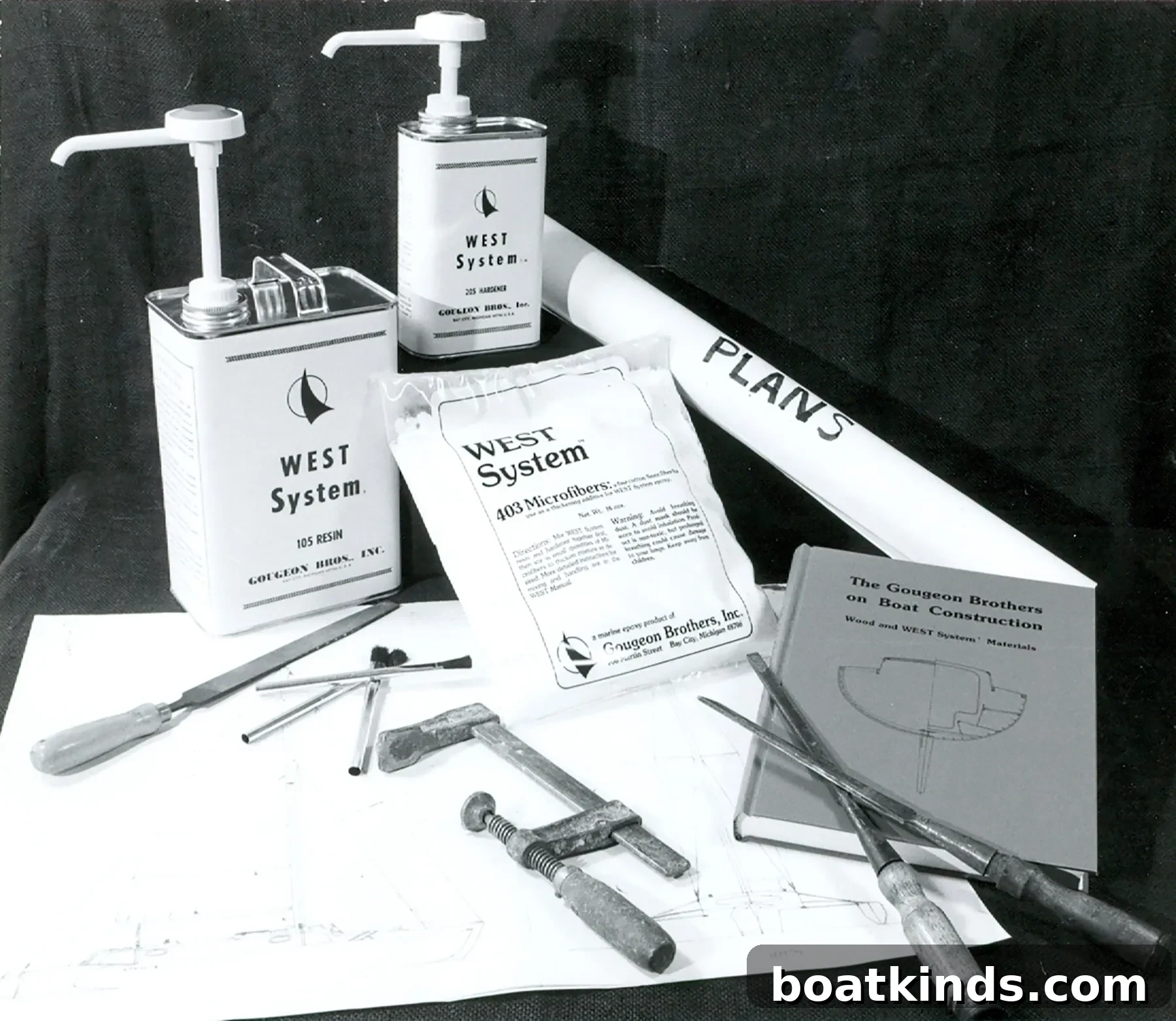
As demand grew for their epoxy products, in 1971 the brothers introduced the West System—an acronym for Wood Epoxy Saturation Technique. The West System two-part resin and hardener, plus metering pumps and microfillers, made consistent mixing and application accessible to builders and repairers. Their epoxy business expanded as boatyards discovered epoxy’s advantages for both new construction and fiberglass repair.
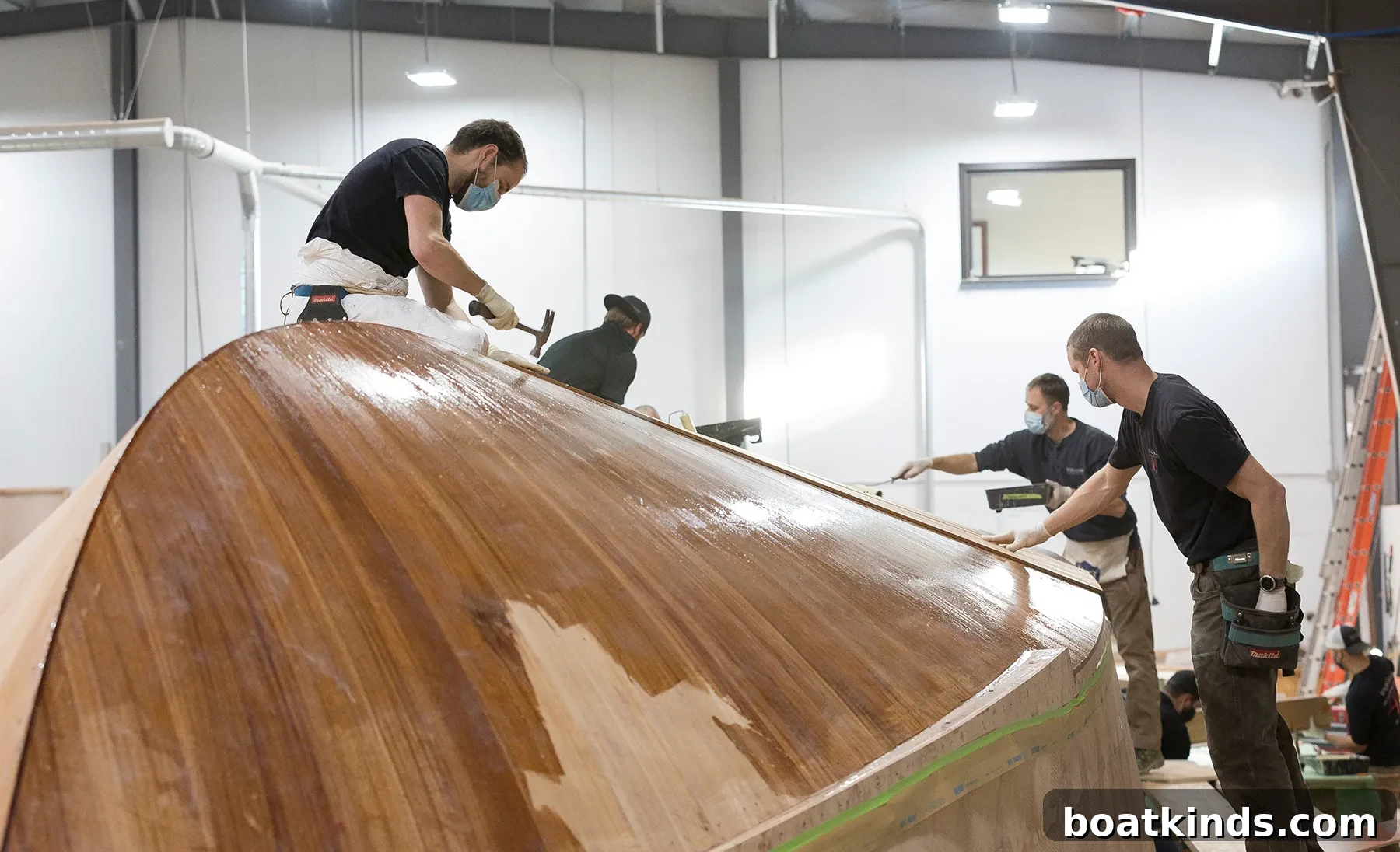
Joel joined the company after returning from Vietnam, investing his savings to become a partner. The brothers quickly saw that customer education was essential, so in 1972 they published The West System Technical Manual, followed by other how-to guides on wooden and fiberglass boat repair and restoration.
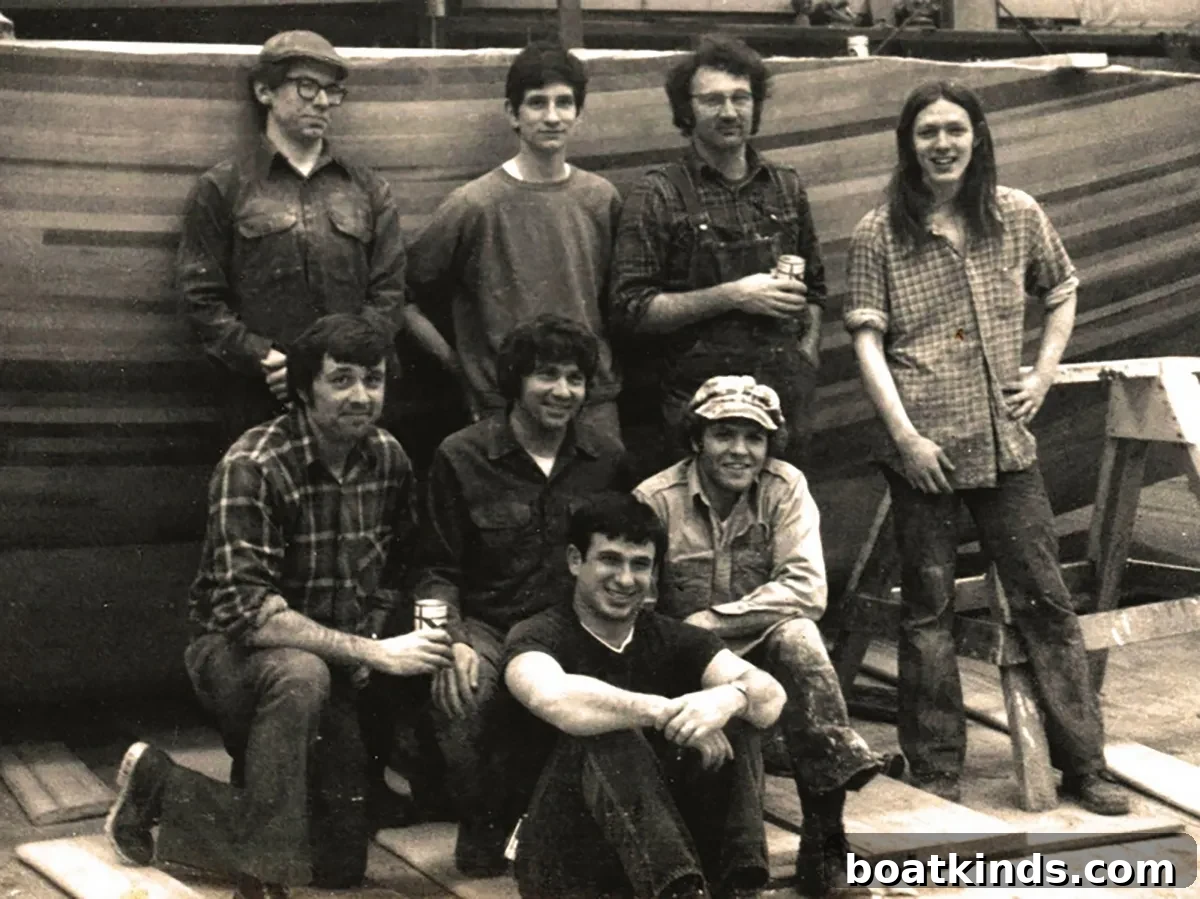
Gougeon-built boats continued to prove the method’s worth. The cold-molded Ron Holland monohull Golden Dazy won the 1975 Canada Cup, demonstrating that wood-and-epoxy hulls could be stiffer and stronger than comparable fiberglass boats. The company also built racers such as Gary Mull’s Hot Flash and Dick Newick designs, including the trimaran Moxie, which helped Phil Weld win the 1980 OSTAR.
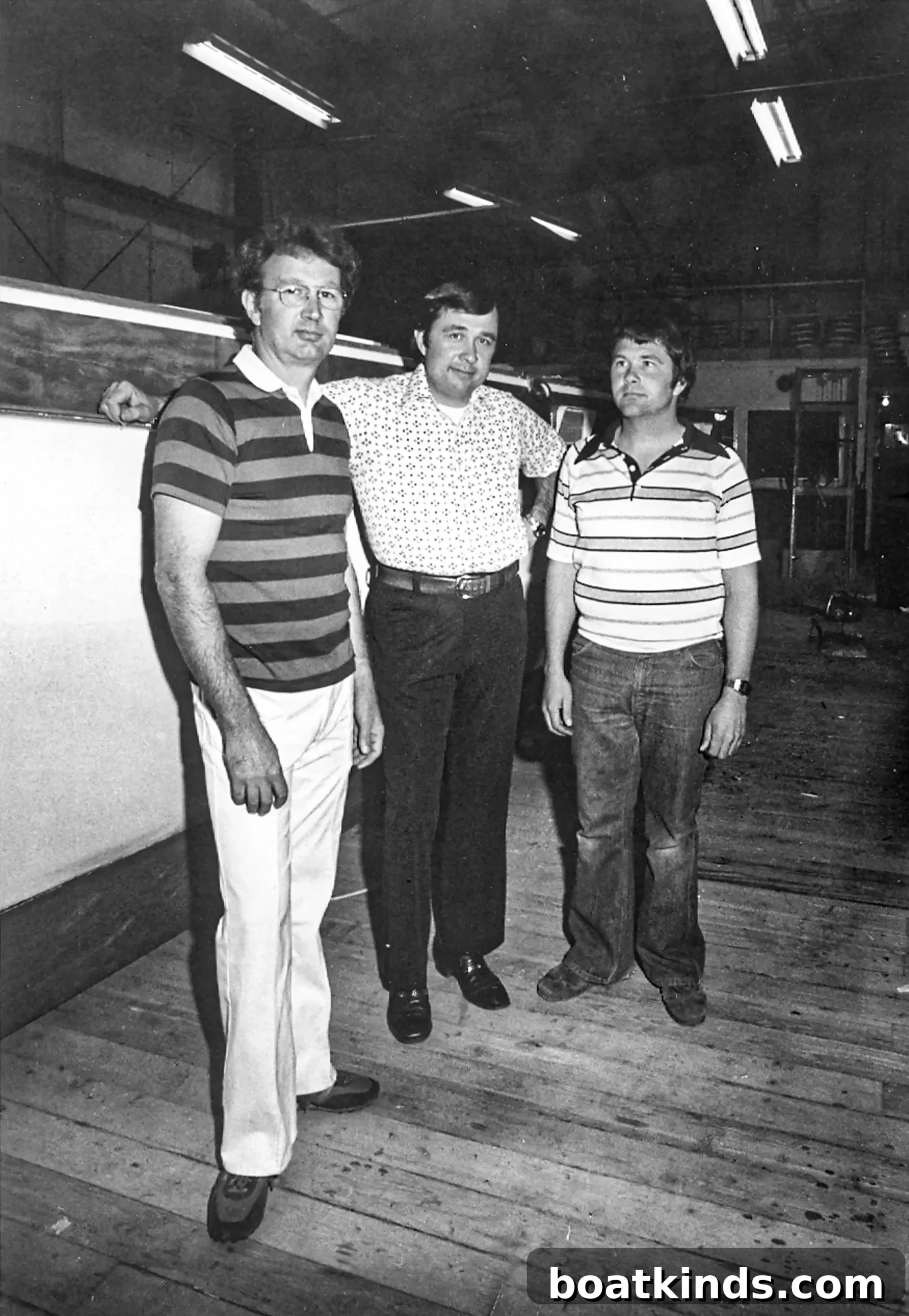
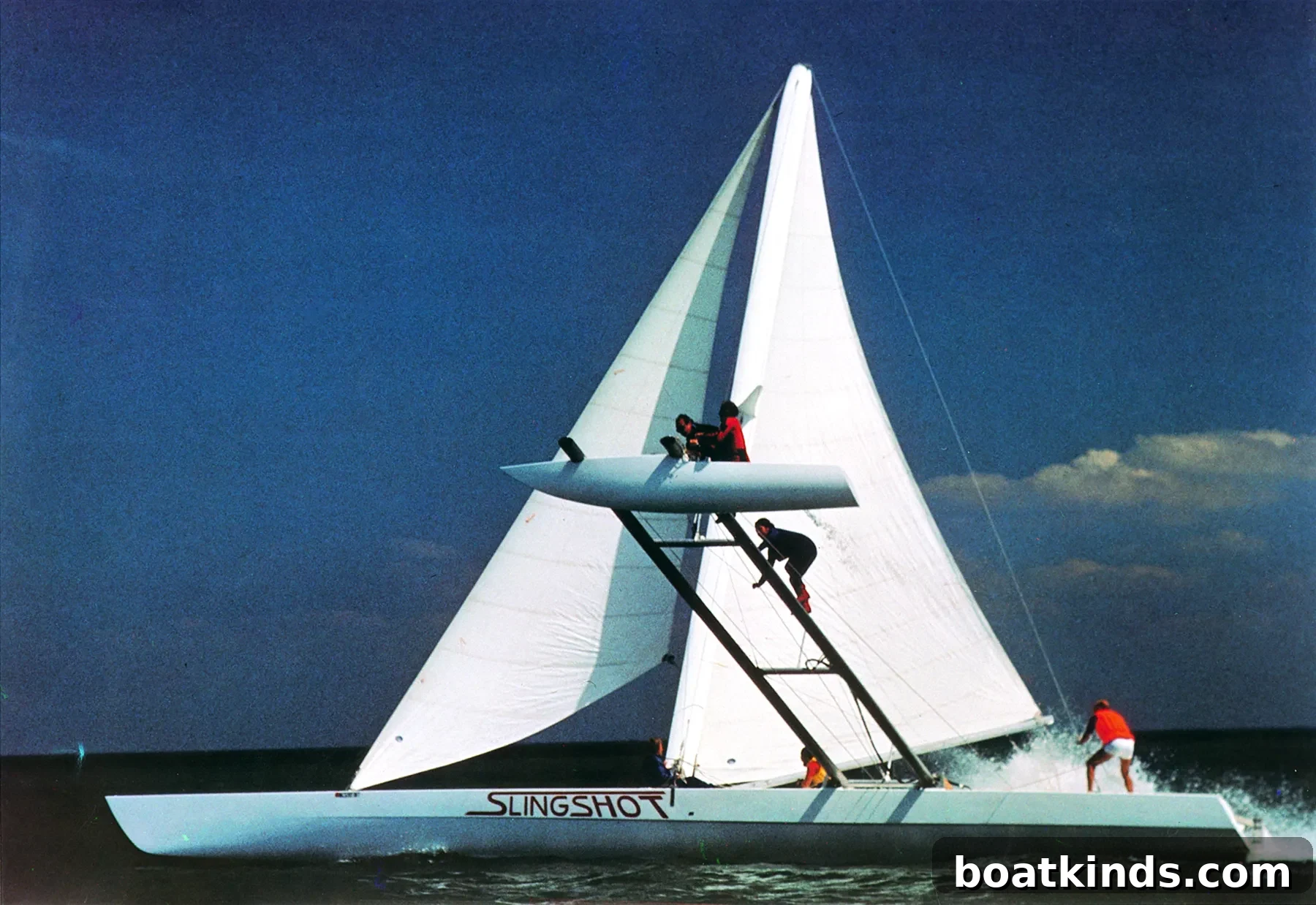
In 1978 the Gougeons collaborated with Harken and North Sails to build the 60-foot proa Slingshot for 500-meter speed trials, and two years later the boat recorded an unofficial speed of 38 knots in Texas. The brothers also documented their techniques in the 1979 book The Gougeon Brothers on Boat Construction: Wood and West System Epoxy, a comprehensive guide that inspired many backyard and professional builders.
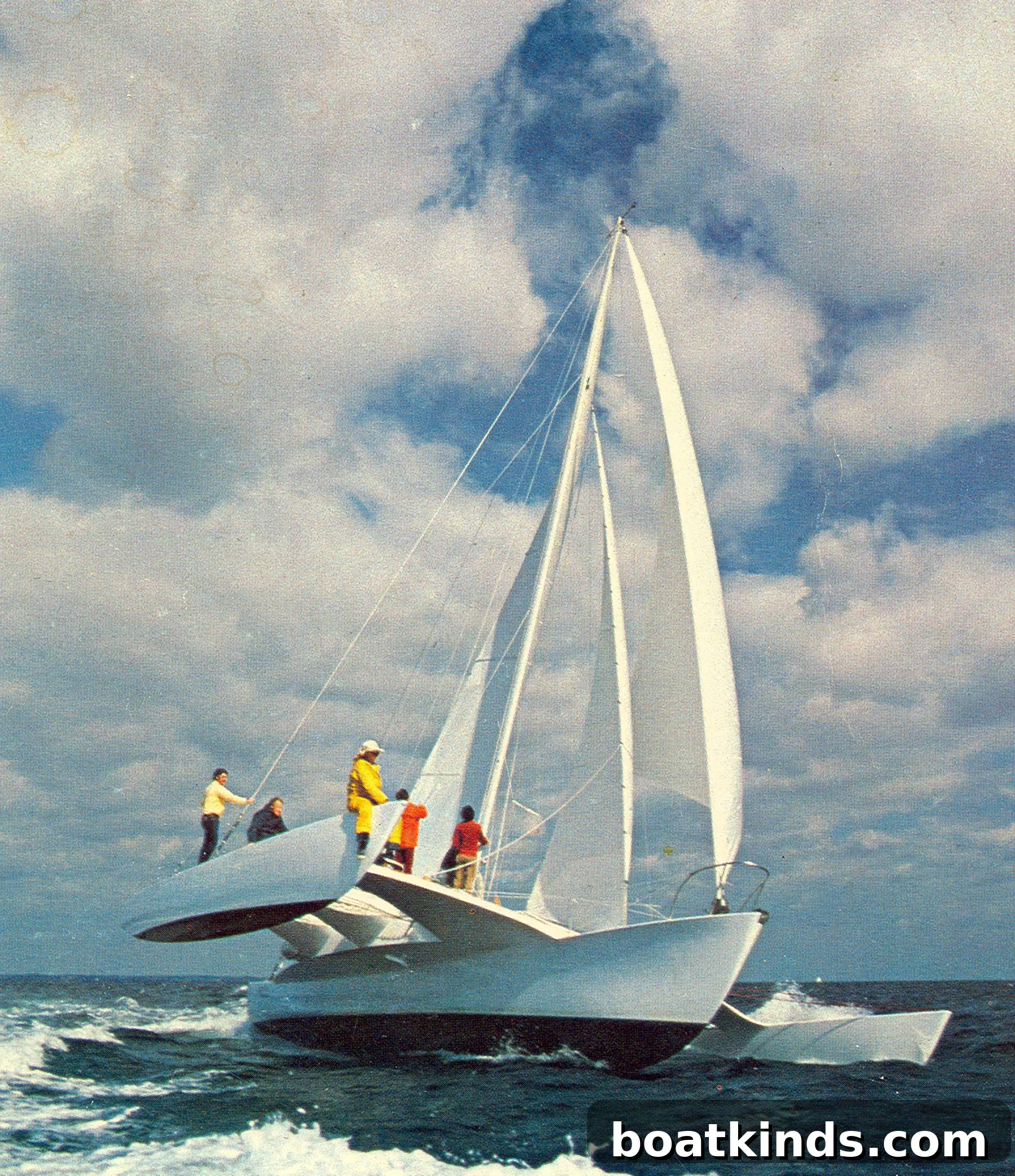
Jan survived a dramatic capsize in 1979 while solo sailing from Bermuda to Newport; he spent days inside an inverted hull before being rescued. That experience led him to design self-rescuing features into later boats, including Splinter, which went on to win the Port Huron to Mackinac Race three years in a row and set a record time.
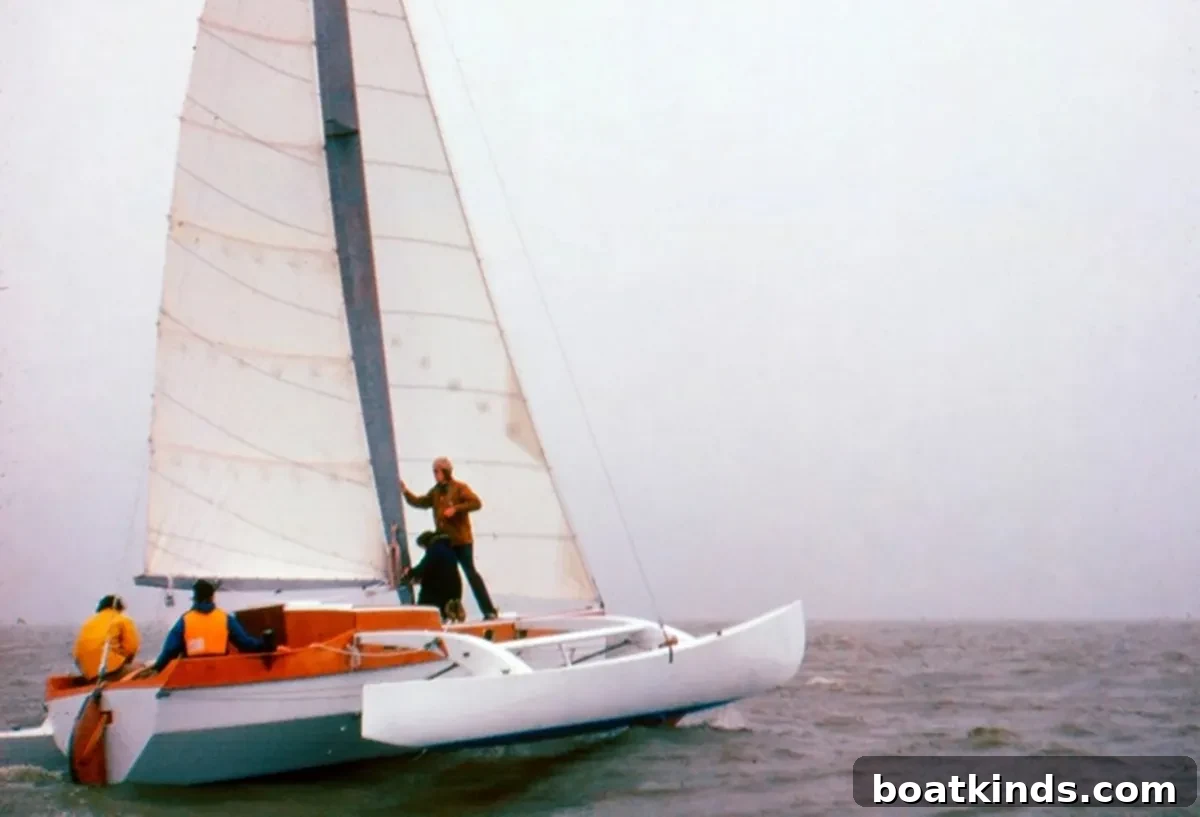
By the early 1980s Gougeon Brothers, Inc. was thriving. The company expanded beyond boatbuilding into chemical manufacturing, producing laminating epoxies for wind turbine blades and other industrial uses. In-house epoxy GLR/GLH evolved into the professional-grade Pro-Set brand, while West System remained the leading consumer and amateur brand for wood and fiberglass repair.
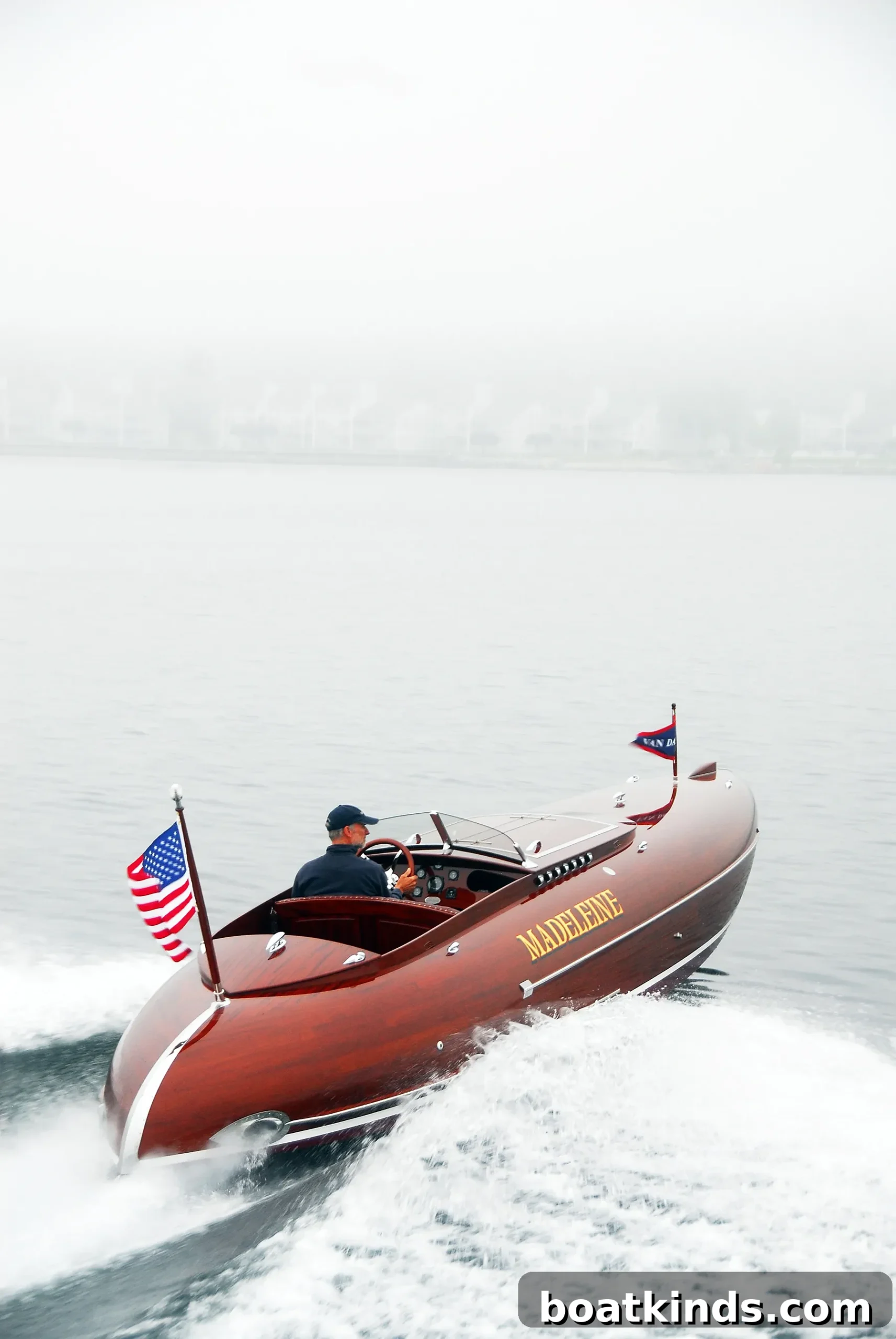
Although the company phased out large-scale boatbuilding, Meade and Jan continued to use the shop for personal projects—designing and launching powerboats and small craft for racing and long-distance challenges. Meade continued to compete successfully in events like the Everglades Challenge.
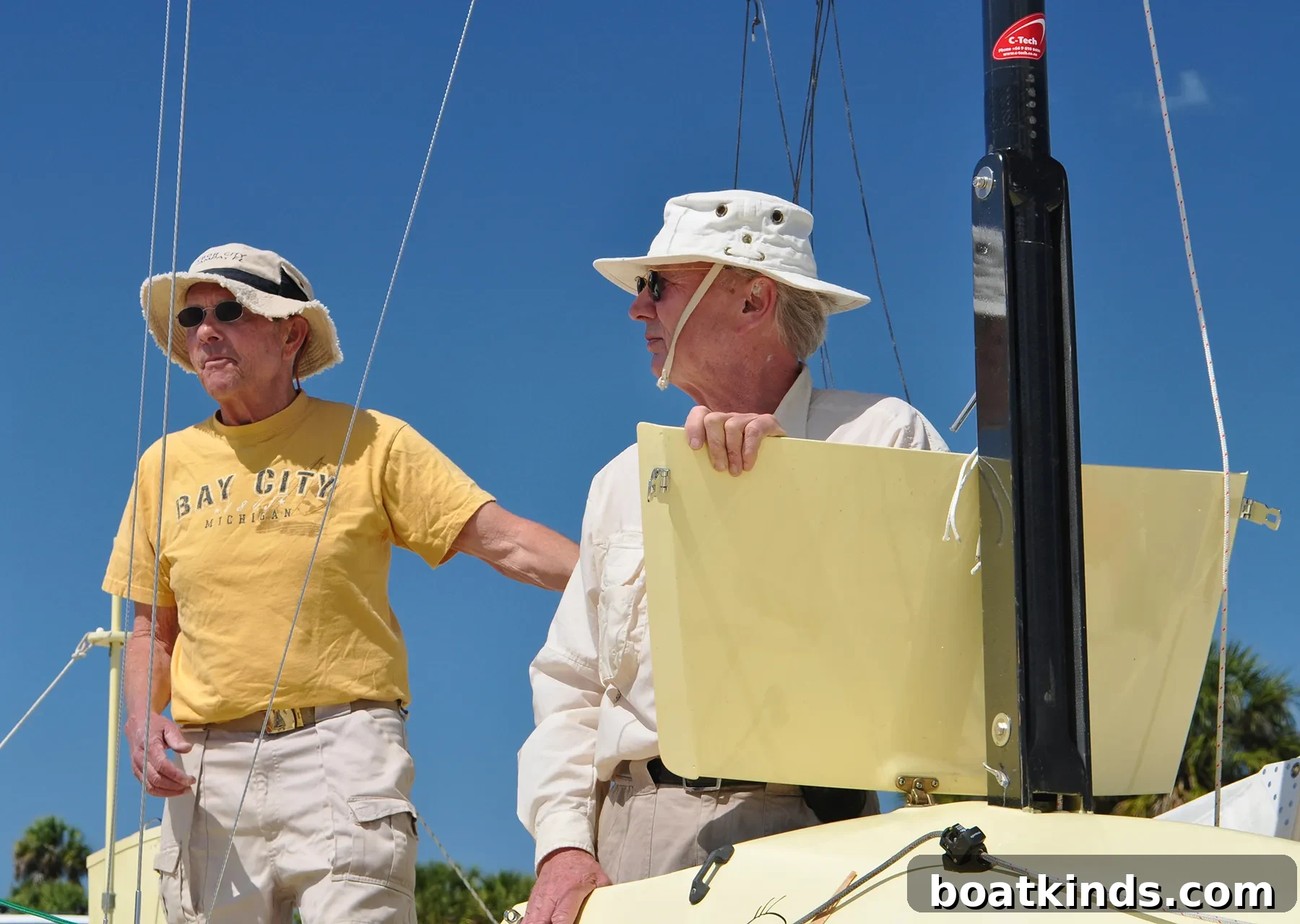
Jan died in 2012 and Meade in 2017. Both were inducted into the National Sailing Hall of Fame in 2015. The company they built in Bay City lives on: an employee-owned enterprise that manufactures epoxy products for customers across the Western Hemisphere and Asia, licenses manufacturing abroad, and continues innovation in a technical lab.
The West System User Manual & Product Guide is published in 18 languages, the newsletter Epoxyworks is in its 47th year with a large readership, and The Gougeon Brothers on Boat Construction has sold more than 100,000 copies and remains a standard textbook in boatbuilding schools. Family members and long-time employees continue the company’s culture of technical support and hands-on customer service.
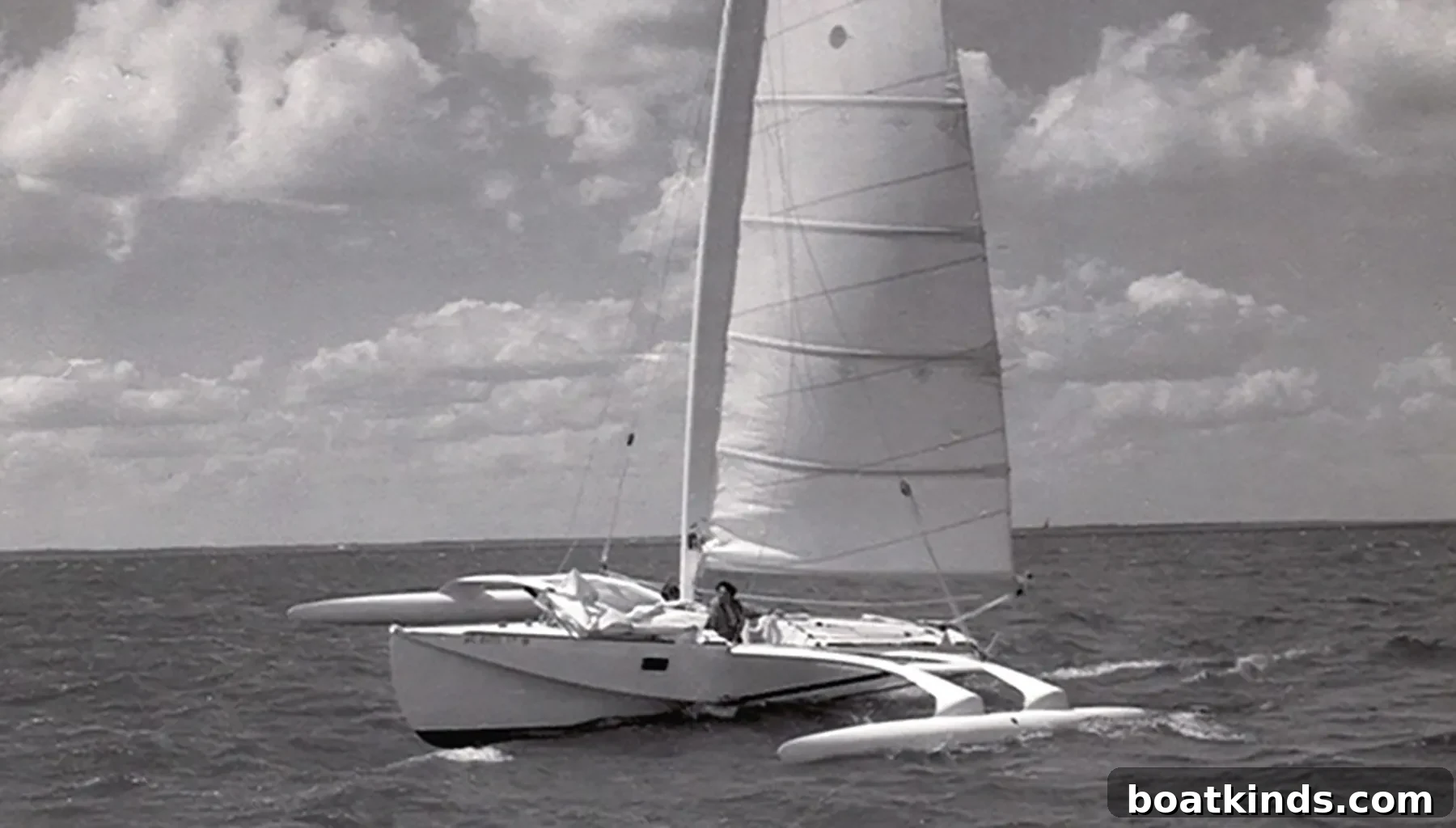
Today, Jan’s self-rescuing designs still compete on the Great Lakes and Adagio, launched in 1970, is still racing more than five decades later—proof that the Gougeons’ blend of wooden construction and epoxy innovation created boats that were lighter, faster and stronger. Their work reshaped modern wooden boatbuilding and established epoxy as an essential tool for builders and repairers worldwide.
This article was originally published in the April 2024 issue.