
Boating in a Pandemic: Challenges, Adaptations, and Why the Water Still Calls
These days, cruising brings fresh challenges. Many longtime boaters describe recent outings as more complicated and, at times, surprisingly stressful since the coronavirus reshaped life both on and off the water. Travelers who normally spend summers hopping between ports are altering plans as uncertainty about regional entry rules grows. Supplies and fuel can be harder to locate at short notice, and social-distancing guidelines on docks have reduced the casual conversations and shared meals that are a big part of boating culture.
Still, for most people who love boats and the outdoors, the appeal of being on the water remains powerful. The act of cruising—moving through open water, anchoring in quiet coves, and relying on seamanship—continues to provide an important escape and a sense of calm, even when routines must be adjusted for safety.
An Ocean for Isolation: A Delivery Trip with New Constraints
John Jinishian captures that sentiment in his story “An Ocean for Isolation” (page 56). Faced with both financial need and real concerns about travel, he signs on for an early-April delivery up the East Coast. The assignment—1,200 nautical miles aboard a Pershing 5X—proved therapeutic despite the added complications from pandemic-era protocols. The trip illustrates how professional deliveries and private passages have adopted new practices to protect crew and clients while preserving the restorative aspects of time at sea.
Operational Ripples: Insurance, Marinas, and New Protocols
The pandemic has created a number of knotty issues for boat owners and operators. In Dispatches (page 19), Kim Kavin examines potential impacts on hurricane insurance policies this season, exploring how shifting circumstances could affect coverage and claims. Meanwhile, in Focus (page 35), you’ll find a look at the creative measures marina operators are implementing to keep marinas safe and accessible. From mandatory face coverings to stricter limits on close-contact assistance, new protocols prioritize public health while attempting to preserve the practical and social functions of dock life.
These adaptations are often straightforward: enforced mask use while on docks, sanitization of common touch points, and reduced capacity in shared facilities. They also include softer changes—reminders to maintain distance when passing lines or helping a neighbor—aimed at reducing transmission risk. While such measures can feel restrictive at first, many owners and staff view them as temporary adjustments that allow boating communities to remain active and safe.
Local Solutions to Make Cruising Viable
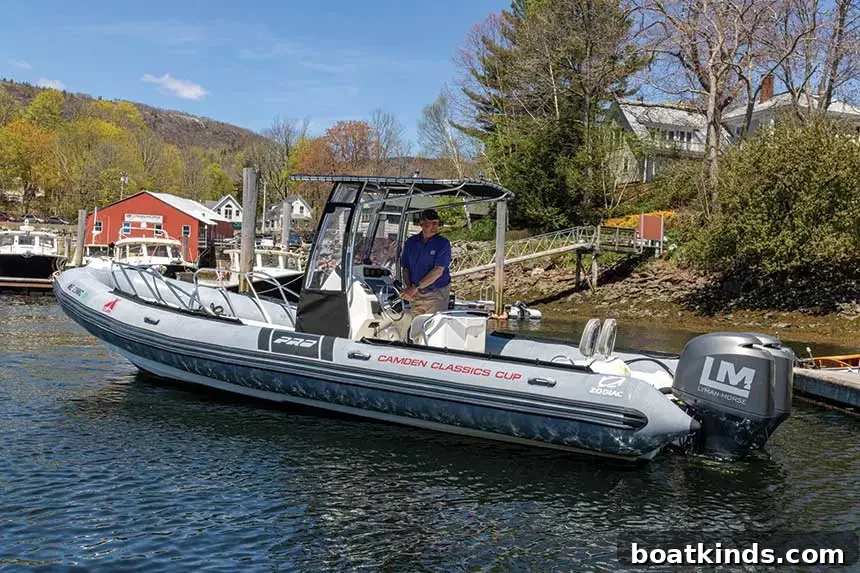
Some marinas and service providers are going further to ease the transition. For example, Lyman-Morse of Maine recently announced that its Camden marina had reopened with adjustments to accommodate current public-health directives. Boat arrivals are expected to comply with the governor’s Executive Order requiring a 14-day quarantine, but Lyman-Morse offers practical support to make that quarantine manageable: grocery and takeout delivery to docks or moorings, trash and recycling pick-up, and assistance with service needs. To carry out these tasks efficiently, they even launched a high-speed 50-knot RIB dedicated to deliveries and support.
These kinds of localized initiatives highlight how marinas and marine businesses are striving to balance safety with service. By offering contact-minimizing delivery, maintenance support, and clear guidance on protocols, they help cruisers remain aboard and enjoy time on the water without putting themselves or coastal communities at unnecessary risk.
Why Boaters Keep Going
Yes, cruising today requires more planning, flexibility, and patience. Yes, there are added ethical questions about travel and community impact. But the willingness of boat owners, marina operators, and support services to adapt has been impressive. Together they are finding ways to preserve the practical and emotional benefits of boating—freedom, solitude, and connection to nature—while observing the health measures needed right now.
For many, that combination of caution and creativity is enough reason to keep navigating the waterways this season. The challenges are real, but so is the determination to make the cruising experience as safe and enjoyable as possible.
Jeanne Craig
[email protected]