
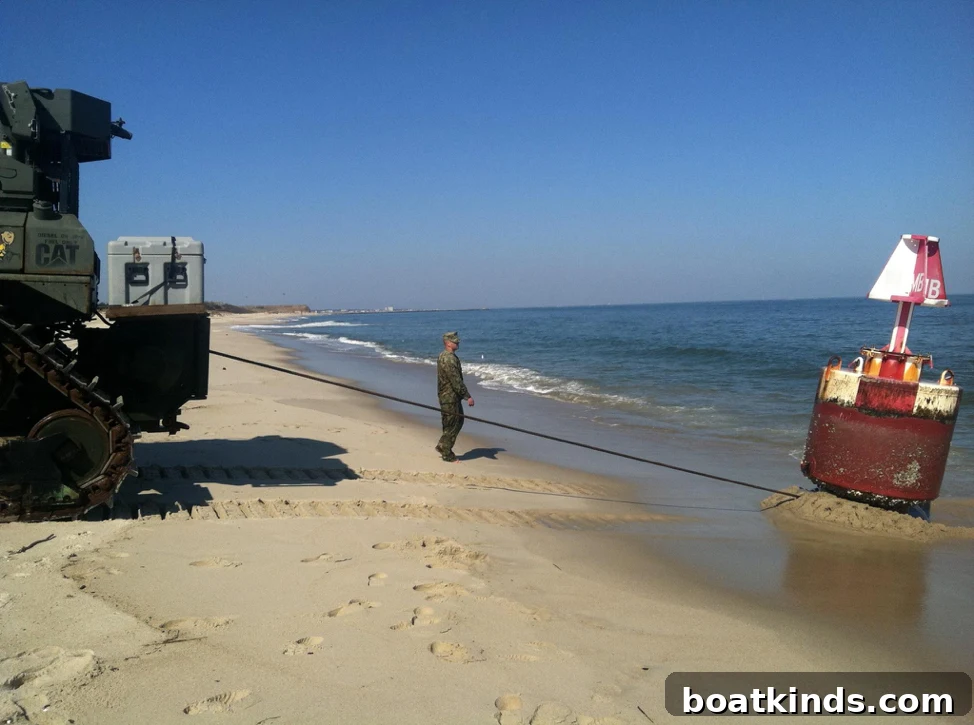
Understanding the Local Notice to Mariners and Missing Navigation Buoys
Right now, as you read this, dozens of navigation aids shown on charts are either missing or not where they should be. Between Eastport, Maine, and Shrewsbury, New Jersey, at least 40 buoys are completely missing and about 109 are reported “off station” — present but not in their charted positions. That means a red buoy you expect to see on your return might be in the wrong place relative to the channel. Farther south, from Little River, South Carolina, through the U.S. Virgin Islands, more than 700 U.S. Coast Guard navigation aids are missing, displaced, or destroyed.
These discrepancies are documented weekly in the Local Notice to Mariners (LNM), the U.S. Coast Guard’s official bulletin that lists outages, discrepancies, temporary relocations, and planned changes to aids to navigation (ATON). If you boat at all, the LNM is an essential safety tool: it tells you what’s different from your charts and what hazards to expect in your cruising area.
Navigation aids suffer damage from storms, collisions, burned-out lights, and routine wear. Mariners and recreational boaters report outages and damage (for example, using the U.S. Coast Guard’s ATON outage reporting process), and the Coast Guard works to repair, replace, or relocate markers as quickly as possible. Still, the volume of required fixes means the list is always changing.
Why you should read the LNM before you go
The LNM is published weekly by each of the nine Coast Guard districts and provides a complete list of notices affecting navigation within district boundaries. While most recreational boaters rely on electronic charts, those charts are only accurate if they are updated. Weekly chart updates, critical ATON updates, hydrographic survey releases, and shoreline corrections should be installed regularly. Even so, the LNM contains additional safety information — Special Notices and Advanced Notices — that do not always appear in chart corrections. Reviewing the latest LNM for your area before getting underway ensures you are aware of temporary hazards, planned operations, and chart corrections that might affect your route.
How the LNM is organized
The structure of the LNM is consistent across districts. After general information and contact details, the notice clarifies acronyms and then presents the main sections mariners need to review. Key sections to focus on are outlined below.
Section I: Special Notices
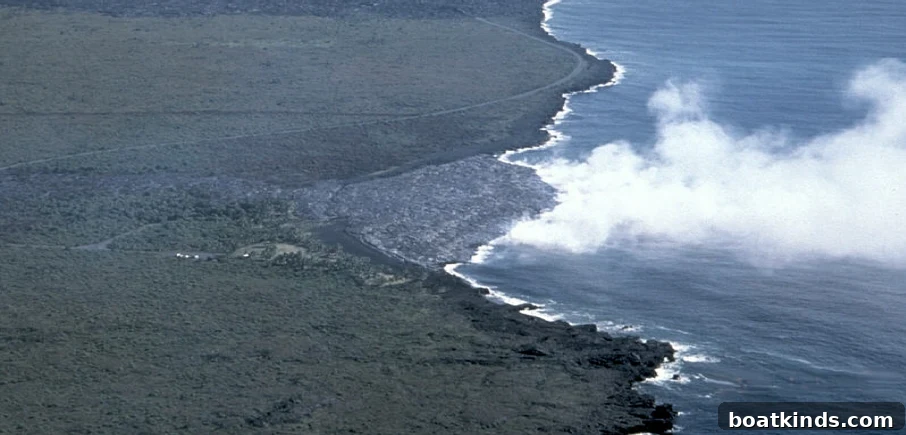
Section I highlights items of special concern that could affect safety or navigation. These can include urgent local hazards, environmental dangers, or area-wide operations. For example, in Hawaii the LNM may warn about hazards associated with a lava delta where ocean entry can produce explosions of glowing rock, airborne debris, toxic gases, collapsing deltas, large waves, or towering steam plumes. In that case, the Coast Guard advises keeping well clear — typically several hundred meters — of active lava entry points to avoid flying debris, sudden waves, or ash.
Section I also lists naval exercise areas, dredging projects, and other temporary or unusual activities that may not be expected in your normal waters. Read Section I carefully each week to learn about immediate hazards and operational restrictions.
Section II: Discrepancies
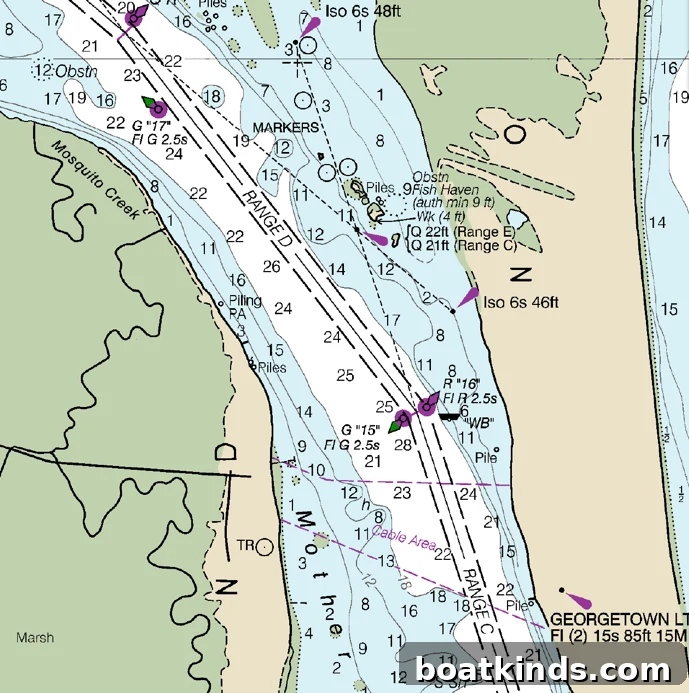
Section II catalogs reported discrepancies for Aids to Navigation — buoys, daybeacons, lights, and ranges — where the published or charted status differs from reality. Entries reference the Light List Number and the associated chart number. To use this section efficiently, search the LNM for your chart number and make the documented corrections on your charts and in your voyage planning. For instance, if a range light is listed as “STRUCT DEST” (structure destroyed), note that on the corresponding chart before transiting the area.
Sections III and IV: Temporary Changes and Chart Corrections
Sections III and IV work together to identify intentional, temporary changes and the corresponding chart corrections. Section III lists temporary changes to ATONs — relocations for dredging, testing, or marking obstructions — while Section IV offers the chart corrections that reflect those temporary positions. Each entry is keyed to specific chart numbers so you can update only the charts you use.
Section V: Advanced Notices
Section V provides advance notice of approved or planned projects that will affect navigation: changes to ATONs, scheduled dredging, or other operations that may temporarily alter the waterway. Reviewing Section V helps you prepare for upcoming changes and avoid surprises when those projects begin.
Sections VI, VII and VIII: Proposed Changes, General Info, and Light List Corrections
The remaining sections cover proposed long-term changes to the waterway, miscellaneous general information, and corrections to the Light List. While these sections are valuable, staying current with Sections I through IV will handle the most immediate and operational corrections you need for safe navigation.
Practical tips for safe navigation
- Download and review the Local Notice to Mariners for your Coast Guard district each week before heading out. Check the LNM entries that reference your chart numbers.
- Apply weekly electronic chart updates and critical ATON corrections. Even if you use paper charts, annotate them with LNM corrections and update them regularly.
- Report outages, collisions with aids, or burned-out lights to the U.S. Coast Guard’s ATON reporting channels so others will be alerted.
- When you encounter unusual conditions or see charted buoys missing or displaced, exercise caution: reduced visibility, shoaling, and unexpected currents often accompany changes to aids to navigation.
Missing and displaced buoys are an ongoing reality, but the Coast Guard maintains an active ATON program and publishes the Local Notice to Mariners so mariners can stay informed. Make checking the LNM part of your trip planning routine — it’s a simple, effective way to keep your charts and local knowledge accurate and to protect yourself and your crew on the water.