
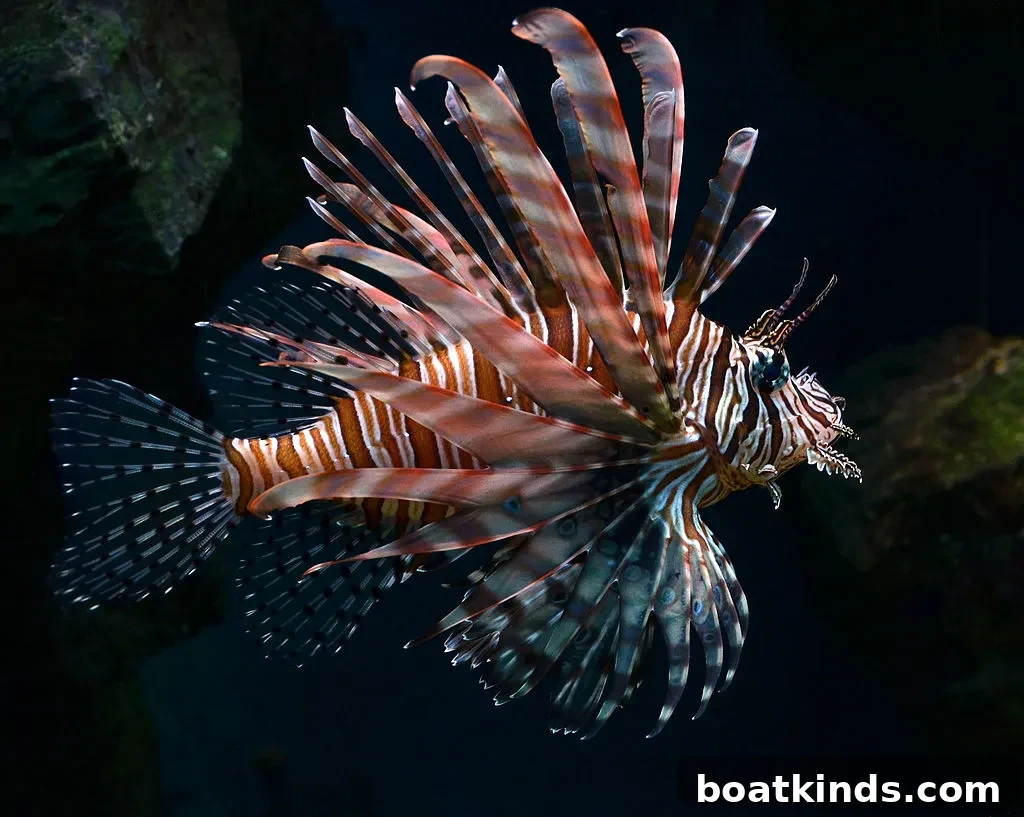
The Growing Lionfish Threat to Caribbean and Gulf Reefs
Lionfish, native to the Pacific and Indian Oceans, have become an invasive and persistent problem in the tropical Atlantic, including the Caribbean Sea and the Gulf of Mexico. Their presence on coral reefs and in nearshore habitats poses a significant ecological threat: lionfish are voracious predators, they reproduce rapidly, and they have few natural predators in these invaded waters. As a result, their populations can grow quickly and their impact on reef ecosystems can be severe.
Rapid Predation and Reproduction
Scientific observations and field studies have documented the dramatic local effects a single lionfish can have. In one study, researchers reported that a single lionfish reduced the number of juvenile fish within its feeding area by as much as 80 percent over the course of five weeks. This level of predation can substantially reduce the abundance of young reef fish species that are important for the health and resilience of coral reef communities.
Compounding this predatory pressure, lionfish are highly fecund. Female lionfish can release tens of thousands of eggs in a single spawning event; estimates commonly cited indicate that a female may release on the order of 25,000 eggs every few days under favorable conditions. High reproductive output combined with low predation on adult lionfish accelerates their establishment and spread across new areas.
Ecological Consequences for Reefs
The combined effects of heavy predation on juvenile fish and rapid population growth can alter reef community structure. Declines in small herbivorous fish, for example, can reduce grazing pressure on algae, allowing algae to overgrow corals and thereby hindering coral recruitment and recovery. Losses of commercially and ecologically important species among juveniles also threaten fisheries and the broader food web connections that sustain reef productivity. These cascading impacts make lionfish a focal point for conservation efforts in affected regions.
Local Responses and Management Strategies
Communities across the Caribbean and Gulf of Mexico are implementing a variety of approaches to control lionfish populations and mitigate their impacts. Strategies include organized removals (often called culling or derbies), targeted spearfishing by trained divers, promotion of lionfish as a food fish to create market incentives for harvest, research into traps and other capture methods, and outreach and education programs to raise awareness.
On the island of Bonaire, for example, volunteer lionfish hunters play a central role in management efforts. These volunteers coordinate regular removals, participate in monitoring, and support local awareness campaigns. Volunteer-driven programs can complement official management actions by increasing removal effort and engaging residents and visitors in stewardship of reef resources.
Monitoring, Research, and Adaptive Management
Effective long-term management relies on continued monitoring and research to understand lionfish population dynamics, the effectiveness of removal techniques, and the responses of native species and habitats to control efforts. Adaptive management—adjusting tactics based on monitoring results—helps target effort where it will be most beneficial, such as protecting nursery habitats or areas of high biodiversity value.
Further Reading
For in-depth reporting and accounts from affected communities, consult reputable news outlets and scientific publications that cover the spread of lionfish and local mitigation efforts. Coverage has described both the scale of the ecological challenge and the creative responses underway in places like Bonaire, where community-driven programs are actively working to reduce lionfish numbers and protect reef health.
Addressing the lionfish invasion requires sustained effort from scientists, fishers, managers, volunteers, and policymakers. While eradication is unlikely, coordinated local actions can reduce lionfish densities, minimize ecological damage, and help protect vulnerable reef ecosystems in the tropical Atlantic.