
It was early April at the height of the Covid-19 outbreak when news of my upcoming yacht delivery reached family members. They urged me to turn down an offer to deliver a boat up the East Coast—from Palm Beach Gardens, Florida, to Stamford, Connecticut—arguing that everyone had a responsibility to stay home. Their reasoning was sound, and the world around us had already changed: shelter-in-place orders, bare grocery shelves and widespread job losses amplified a constant undercurrent of fear.
I worried about my livelihood. Each summer I run a wilderness fly-fishing expedition company in Alaska, and bookings were down roughly 75 percent from the prior year. So, although I was anxious about travel, taking payroll while isolating aboard a yacht felt like a reasonable compromise—if we could manage the risks. My longtime friend Scott Hartmann, a captain at Venture Yachting in Connecticut, had invited me to help deliver a Pershing 5X. I’d worked shoulder-season runs with Venture before, and this was my fifth delivery with Scott in a year. Oliver Calloway, Venture’s owner, and Scott had quarantined together in Florida to prepare for the season. While others crowded beaches, they were taking no chances: Oliver hadn’t seen his family in three weeks. He planned to travel with our Pershing on a 54-foot Riviera alongside Venture’s Brandon Stenzel.
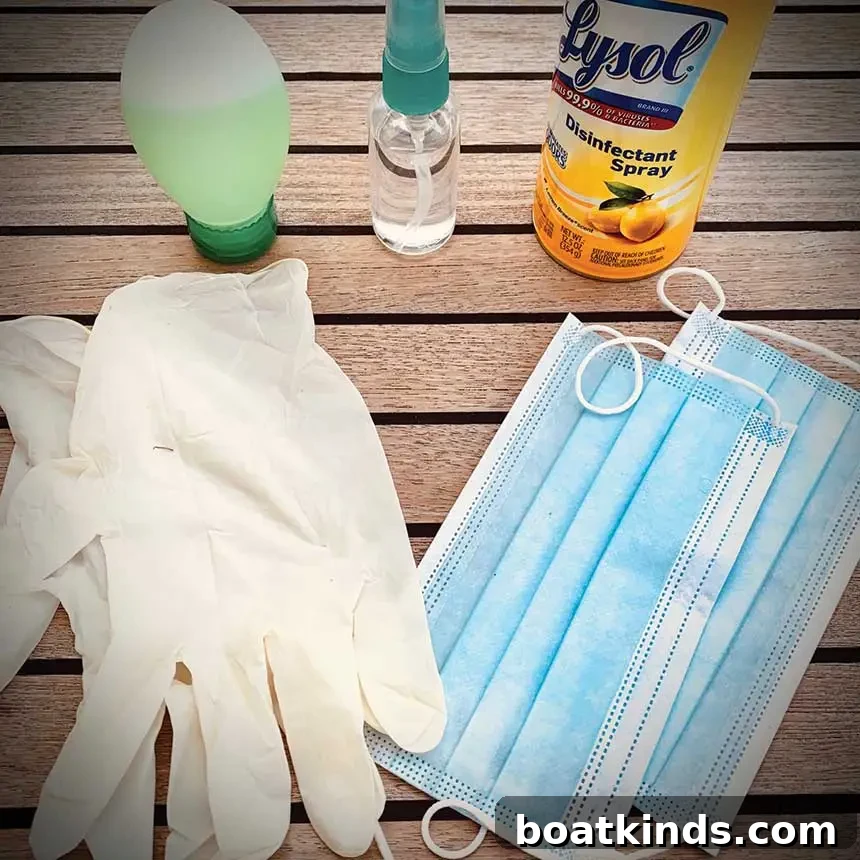
The morning I left Colorado, The New York Times headline read, “Unrivaled job losses accelerate across the U.S.” At Denver International Airport I resembled an overcautious thief—hat, glasses, facemask, gloves and a bottle of hand sanitizer strapped to my shoulder. The gate felt like a ghost town; only 11 of 180 seats were occupied. I disinfected my seat, armrest and tray table and sat more than ten feet from anyone else, thinking about the open ocean ahead.
At Seminole Marina in Fort Lauderdale I helped stow provisions. We packed enough supplies to isolate aboard for more than a week. Fortunately, we weren’t pressed for time—the boat’s owner prioritized our safety. Deliveries along the Southeast to Northeast corridor always require strict logistics: weather, mechanical issues and now, Covid-19. We treated the pandemic as another factor to adapt to and manage.
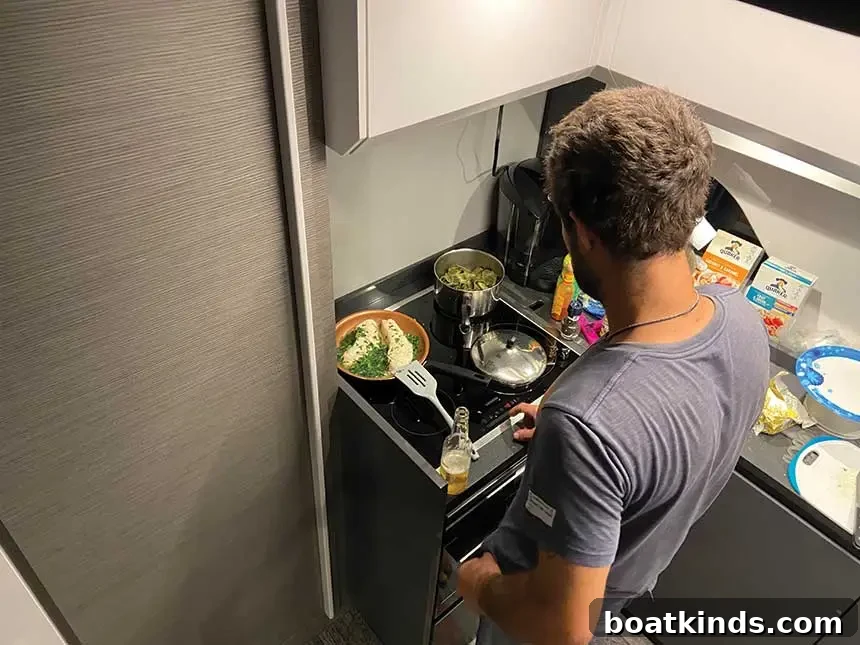
A 9 a.m. departure blessed us with sunny skies and calm seas. Our first day covered only 200 nautical miles in a boat cruising at 28-plus knots. We entered the warm blue of the Gulf Stream and made port in St. Augustine late that afternoon. Dock attendants wore masks and gloves as they caught our lines. We took on 400 gallons of diesel using a fueling system that included liberal hand sanitizer usage. With restaurants off the table, we cooked halibut steaks and spinach pappardelle in the galley.
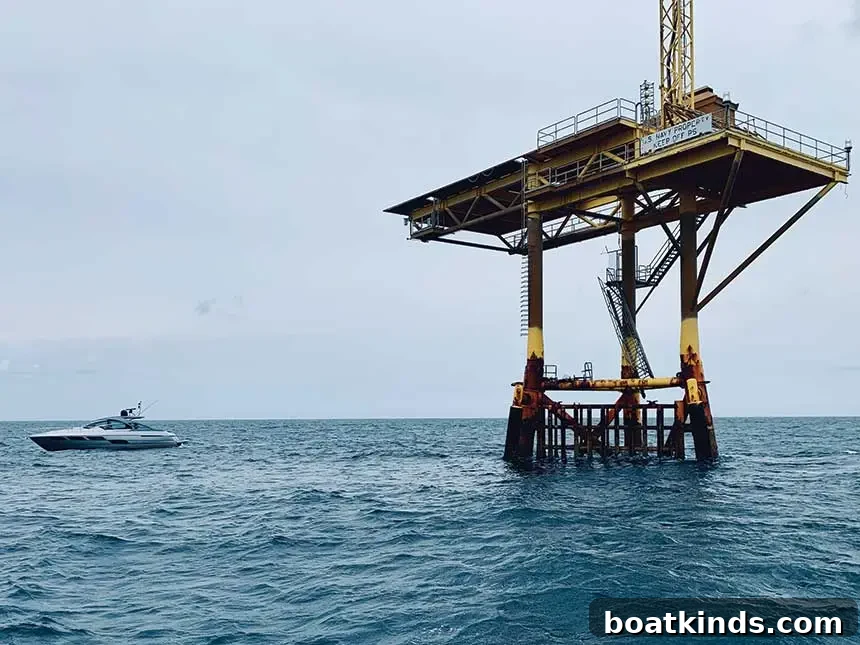
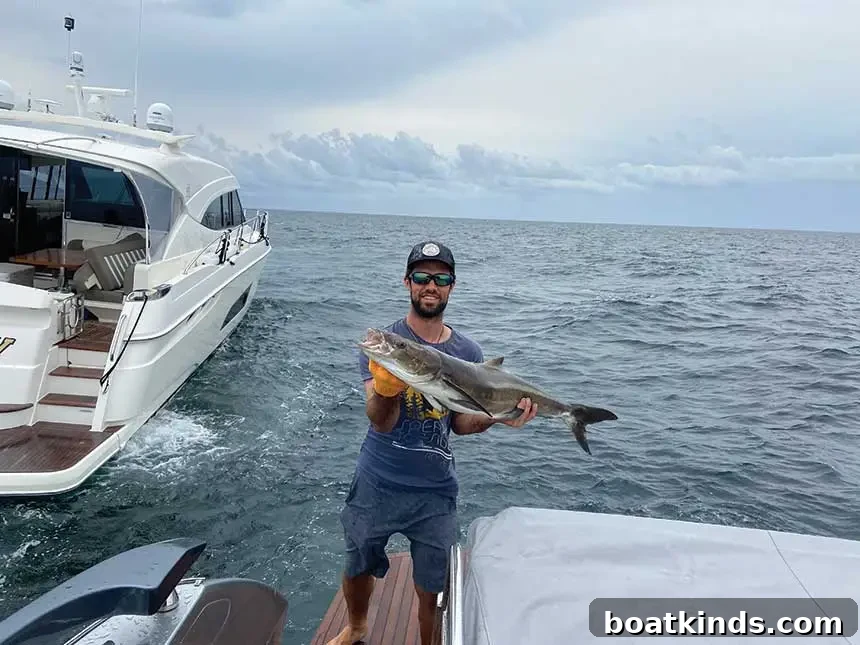
On day two, while heading toward Charleston, South Carolina, we linked up with Oliver and Brandon, who’d run through the night in the Riviera. We met near a Navy tower to fish—though the Pershing isn’t a sportfishing boat, we wanted fresh protein to avoid grocery stops. My jig dropped 80 feet on the first try, and on the second drop I felt a solid strike. After a fight, a 20-pound cobia hit the swim platform. Scott subdued the fish by pouring vodka into its gills—an old trick—and we filed it away as dinner.
Winds picked up as we moved north and swells forced us to slow. An alarm from the swim platform prompted a check, and although everything seemed okay at first, the Riviera closed astern. When our speed didn’t respond to throttle, Scott inspected the platform and later cut wires to override a heat sensor so it could be raised. Once sorted, we let the Riviera take the lead and rode comfortably in its wake.
Entering Charleston Harbor, the seas smoothed and we tied up at the marina with cold beverages in hand. Pandemic protocols were evident everywhere: credit card numbers relayed by phone for fuel and provisions brought to the dock. We stayed onboard, blinds drawn, and enjoyed skirt steak, cobia fillets and grilled asparagus while declining social visits—even from friends nearby—to minimize risk.
South Carolina sunshine greeted us the next morning as dolphins surfaced while we headed out. Passing Frying Pan Shoals off Cape Fear, the Pershing’s rounded bow handled the following seas well as we approached Morehead City, North Carolina. Darkening skies and stiff winds greeted our arrival; after fueling and cleaning during passing squalls, we checked the forecast over a nightcap on the Riviera and decided to run straight to Connecticut before the weather worsened.
At 6 a.m. the moon lit our route through the Intracoastal Waterway. Volvo IPS drives pushed us at 30 knots across Pamlico Sound and through cypress-lined channels toward Coinjock. Bridge openings required precise timing, and pandemic-related closures forced us to plan fuel stops carefully. We took diesel at Atlantic Yacht Basin in Chesapeake before the 2 p.m. Great Bridge opening. I holstered the nozzle, sanitized hands and returned to the salon. This fuel would carry us until Atlantic City, where Kammerman’s Marina agreed to fuel us after hours.
Locks and delays tested patience as a confused train stalled our progress near the Navy refitting yard. Active-ship slips lay empty—an eerie sight of many vessels deployed or absent. By late afternoon Scott had been on the helm nearly 12 hours; I took over and set a course east of Chincoteague Shoals under looming storm clouds. A heavy downpour overwhelmed the windshield wipers and forced us to slow, but once the storm passed we lost autopilot. Attempts to reset it failed, so we hand-steered the rest of the night using an iPad Navionics app for navigation. A bright “pink moon” provided welcome supplemental light for the offshore overnight run.
Traffic on the water was sparse. Near Atlantic City the illuminated skyline helped cue the channel entrance—despite most casinos being closed, the city remained bright. We refueled and, after a late dinner, resumed the run. Heading for New York’s Ambrose Channel, we watched a flotilla of anchored cruise ships, container vessels and commercial craft waiting offshore—silent reminders of how the pandemic had paused normal maritime activity.
We threaded past Lady Liberty, under New York City bridges and Rikers Island into Long Island Sound. The final 17 miles through the Sound flew by and we slipped through Stamford Harbor’s breakwall, pulling into a slip at 4 a.m. after covering 1,127 nautical miles in 91 hours.
The next morning we detailed the boat and prepared it for handoff. Pandemic realities persisted onshore: my parents appeared at a distance to trade deck boots for frozen cobia fillets; we met on the dock ten feet apart, feeling awkward but cautious. Oliver drove me to the small Westchester airport to avoid busy hubs; security lines were nearly nonexistent.
Before the delivery I’d quarantined at home in Colorado; afterward I committed to another two-week isolation to protect others. That was part of the job. Ultimately the delivery showed that, with careful precautions and planning, coastal travel by boat can be done safely. Missing the social life of ports and city exploration was a small price to pay—the quiet isolation of the ocean felt exactly right during such an unusual time.
This article originally appeared in the July 2020 issue.